
Why Does My Dishwasher Smell Bad?
Start with the filter, sump area, door gasket, spray arms, and drain path. Remove food residue, clean only with model-approved methods, and call for service when odor comes with standing water, leaks, electrical smells, or repeated drainage failure.
What to know
- A dirty filter and trapped food are common odor sources.
- Vinegar and cleaning-tablet advice varies by model, so the manual wins.
- Sewage, burning, gas, or electrical odors are not routine cleaning problems.
A dishwasher should not smell strongly when it is empty. The usual cause is not mysterious “dirty water” circulating forever; it is food residue or moisture trapped in a place that routine wash cycles do not fully clean.
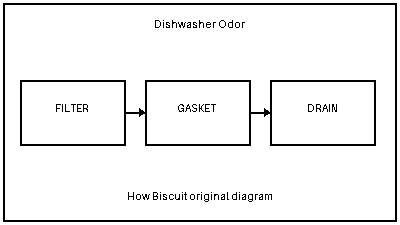
Whirlpool lists several common causes of dishwasher odor: a dirty or clogged filter, food residue on interior surfaces, mold or mildew around the gasket, and a clogged drain. [1] Those are useful starting points, but the exact cleaning method depends on the appliance design.
First identify the kind of smell
Musty or sour: Often points to damp residue, a dirty filter, or a gasket that stays wet.
Rotten-food smell: Look for food in the filter, sump, rack tracks, utensil basket, door lip, and spray-arm openings.
Sewage-like smell: May involve standing water, a drain-hose configuration problem, a blocked air gap, garbage-disposal connection, or household plumbing.
Burning plastic or electrical smell: Stop the cycle, disconnect power if it is safe to do so, and arrange service. Do not continue running the dishwasher to see whether the smell “burns off.”
Gas or solvent smell: Leave the area and contact the appropriate emergency or utility service. A dishwasher-cleaning article is not the right response to a possible fuel or chemical hazard.
Clean the filter and sump area
Turn the dishwasher off. Remove the lower rack and locate the filter using the manual. Some filters twist out; others use a different retaining system; some machines have self-cleaning assemblies that should not be handled the same way.
Remove loose food. Wash a removable filter with warm water, mild dish soap, and a soft brush if the manufacturer permits it. Do not use a wire brush or sharp object that can damage the mesh.
Before reinstalling the filter, wipe accessible residue from the sump area without forcing debris into openings. Lock the filter back into position. A loose filter can reduce cleaning performance or allow debris to circulate.
Whirlpool recommends cleaning a dishwasher filter regularly and identifies food buildup there as a common odor source. [1]
Wipe the door, gasket, and hidden edges
The main wash spray may not reach the top edge of the door, hinge area, detergent-cup recess, or folds of the gasket. Wipe these areas with warm soapy water and a soft cloth. Clean under removable rack components only as the manual allows.
Dry the gasket afterward. If mold-like growth returns quickly, inspect for leaks, poor drying, or a door that remains sealed for long periods while the interior is wet.
Check the spray arms
Remove visible debris from spray holes using the method in the manual. Do not enlarge holes with a drill bit or metal tool. If an arm is removable, note its orientation and reinstall it securely.
Blocked spray arms can leave food on dishes and in the tub, feeding the odor problem.
Look for standing water and drainage trouble
A small amount of water below the filter can be normal in some designs. Water covering the tub floor, returning after a cycle, or carrying food debris is not something to ignore.
Check the easy items first:
- The sink drain is not blocked.
- The garbage disposal, if newly installed, had its dishwasher inlet plug removed.
- The air gap, where present, is not clogged.
- The drain hose is not crushed or sharply kinked.
- The cycle finished rather than being interrupted.
- The filter is seated correctly.
Drain-hose routing and high-loop requirements vary. Use the installation instructions or a qualified technician rather than improvising.
Run an approved cleaning cycle
Whirlpool’s general care guidance says that mineral, detergent, and dirt buildup can affect performance and describes periodic cleaning methods. [2] But manufacturer advice about vinegar, baking soda, bleach, and commercial cleaners is not universal.
Read the model manual before adding anything. Never combine cleaners. In particular, never mix bleach with vinegar, acids, ammonia, or products whose ingredients are unknown. Do not use ordinary hand dish soap in the machine; it can produce excessive foam.
An empty hot cycle with a manufacturer-approved dishwasher cleaner is the least ambiguous option when the manual recommends it.
Prevent the smell from returning
- Scrape large food scraps before loading.
- Clean the filter on the model’s recommended schedule.
- Use the correct detergent amount and water-temperature settings.
- Do not block spray-arm rotation.
- Let the interior dry after the cycle when the manual allows.
- Clean spills around the door lip promptly.
- Address drainage problems instead of masking them with fragrance.
When to call for service
Arrange service when the odor persists after proper cleaning, the machine leaves standing water, the drain repeatedly backs up, the door leaks, the pump makes abnormal noise, the circuit trips, or there is a burning smell.
A sewage odor that also appears at the sink or other drains may require a plumber rather than appliance service.
Bottom line
Start with the filter, hidden food traps, gasket, spray arms, and drain path. Use only the cleaning method approved for the model. Odor that comes with standing water, electrical symptoms, leaks, or sewer-gas concerns deserves diagnosis, not another cup of internet-prescribed vinegar.
Limits and cautions
- Dishwasher designs differ, including self-cleaning filters and model-specific cleaner restrictions.
- Do not dismantle pumps, wiring, or drain systems without the correct service procedure.
- Persistent sewer odor may involve household plumbing rather than the appliance alone.
Source notes
- How to Get Rid of Dishwasher Smells in 5 StepsWhirlpool
- How to Clean a DishwasherWhirlpool
See something wrong or out of date? Report a correction.