
How to Calculate How Much Paint You Need
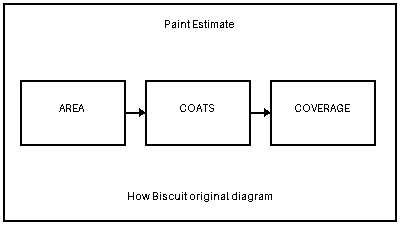
Use paintable square feet multiplied by coats, divided by the coverage printed for the specific paint. Add a modest contingency for texture, porous surfaces, color changes, and touch-ups rather than relying on one universal gallons-per-room rule.
What to know
- Coverage is a product estimate, not a guarantee.
- Two coats doubles the area the paint must cover.
- Surface condition and application method can matter more than small measurement errors.
Paint estimates become much easier when you separate geometry from product performance. Geometry tells you how many square feet you intend to coat. The paint label or technical sheet tells you how many square feet one gallon is expected to cover under stated conditions.
The basic formula is:
Gallons needed = paintable area × number of coats ÷ stated coverage per gallon
Then round up to the container sizes actually sold.
Sherwin-Williams says a gallon typically covers about 350 to 400 square feet, while warning that product requirements vary with application method and surface type or condition. [1] Use the coverage for the exact product whenever it is available rather than treating 400 square feet as a law of physics.
Step 1: Measure wall area
For a simple rectangular room:
- Add the lengths of all walls to get the perimeter.
- Multiply the perimeter by wall height.
Example:
- Room: 12 feet by 10 feet
- Perimeter: 12 + 10 + 12 + 10 = 44 feet
- Wall height: 8 feet
- Gross wall area: 44 × 8 = 352 square feet
For an irregular room, measure each wall separately and add the areas.
Step 2: Subtract large openings carefully
Measure doors, windows, built-ins, tile, and other surfaces that will not be painted.
A typical door may be around 20 square feet and a window may be around 12 to 15 square feet, but measuring is better than using assumptions. You can skip subtracting small openings if you prefer to keep that area as a contingency.
Suppose the example room has:
- One 20-square-foot door
- Two 15-square-foot windows
Paintable wall area:
352 − 20 − 30 = 302 square feet
Step 3: Multiply by coats
If the walls need two coats:
302 × 2 = 604 square feet of coating work
Primer is a separate product and should be calculated separately. Do not count a primer coat as if it has the same coverage and purpose as finish paint.
Step 4: Divide by product coverage
If the chosen paint lists 375 square feet per gallon:
604 ÷ 375 = 1.61 gallons
You would ordinarily buy 2 gallons, not 1.61 gallons. Container sizes, tint consistency, and the desire to retain touch-up paint all matter.
When to add extra
The label coverage may assume a smooth, sealed surface and an appropriate application method. You may need more paint for:
- New drywall or bare, porous material
- Textured walls
- Masonry
- Dramatic color changes
- Spraying, which can involve overspray and equipment loss
- Repairs and patches
- Uneven absorption
- Detailed edges and trim
- Future touch-ups
Do not blindly add 20 percent to every job. Use the product technical data and the condition of the surface. A modest reserve is useful, but excessive leftovers can be difficult to store and dispose of responsibly.
Ceilings
Measure ceiling length × width.
A 12-by-10-foot ceiling is 120 square feet. Multiply by coats and divide by the ceiling paint’s stated coverage. Calculate it separately from walls when the color, sheen, or product differs.
Trim, doors, and cabinets
Detailed surfaces are harder to estimate by floor area. Measure the face area of doors and broad trim where practical, then add an allowance for edges and profiles.
Cabinets should not be estimated from room perimeter. Count doors and drawer fronts, measure representative pieces, and consult the coating system’s instructions. Cabinet refinishing often needs cleaners, sanding or deglossing, primer, and multiple finish coats.
Exterior paint
Break the building into rectangles and triangles:
- Rectangle area = width × height
- Triangle area = base × height ÷ 2
Subtract large unpainted openings, add gables, and calculate siding, trim, doors, and masonry separately. Rough siding and masonry can consume substantially more coating than smooth interior walls.
Safety before sanding or scraping
A paint quantity calculation does not answer whether surface preparation is safe. EPA warns that renovation, repair, or painting work in pre-1978 housing can create hazardous lead dust and recommends determining whether lead-based paint may be present and using lead-safe practices. [2]
Do not dry-sand, scrape, or disturb suspect older coatings without appropriate assessment and controls. Rental, child-care, and contractor work may be subject to legal requirements beyond ordinary homeowner DIY guidance.
Quick worksheet
- Gross wall area: perimeter × height = ______
- Minus unpainted openings = ______
- Paintable area = ______
- × number of coats = ______
- ÷ product coverage = ______ gallons
- Add justified contingency = ______
- Round up to available containers = ______
Bottom line
Measure the surface, count every coat, and use the exact product’s coverage figure. The formula is simple; surface condition, texture, color change, and preparation are where real-world paint estimates earn their uncertainty.
Limits and cautions
- Manufacturer coverage figures vary by product and surface.
- This calculator does not determine primer, lead-safe work, ventilation, or coating compatibility.
- Exterior shapes, cabinets, and detailed trim require separate measurements.
Source notes
- How to Use Paint CalculatorSherwin-Williams
- Lead-Safe Renovations for DIYersU.S. Environmental Protection Agency
See something wrong or out of date? Report a correction.