
Do Ceiling Fans Cool a Room? What They Actually Do
A ceiling fan does not meaningfully cool an empty room. It makes people feel cooler by moving air across the skin, so run it while the room is occupied, turn it off when nobody is there, and use the breeze to support a modestly higher air-conditioning setting when comfortable.
What to know
- Ceiling fans cool people through airflow rather than storing coolness in the room.
- Turn an ordinary ceiling fan off when the room is empty.
- A fan may help support a higher air-conditioning thermostat setting, but savings depend on actually changing the thermostat.
- During dangerously hot indoor conditions, a fan is not a substitute for effective cooling.
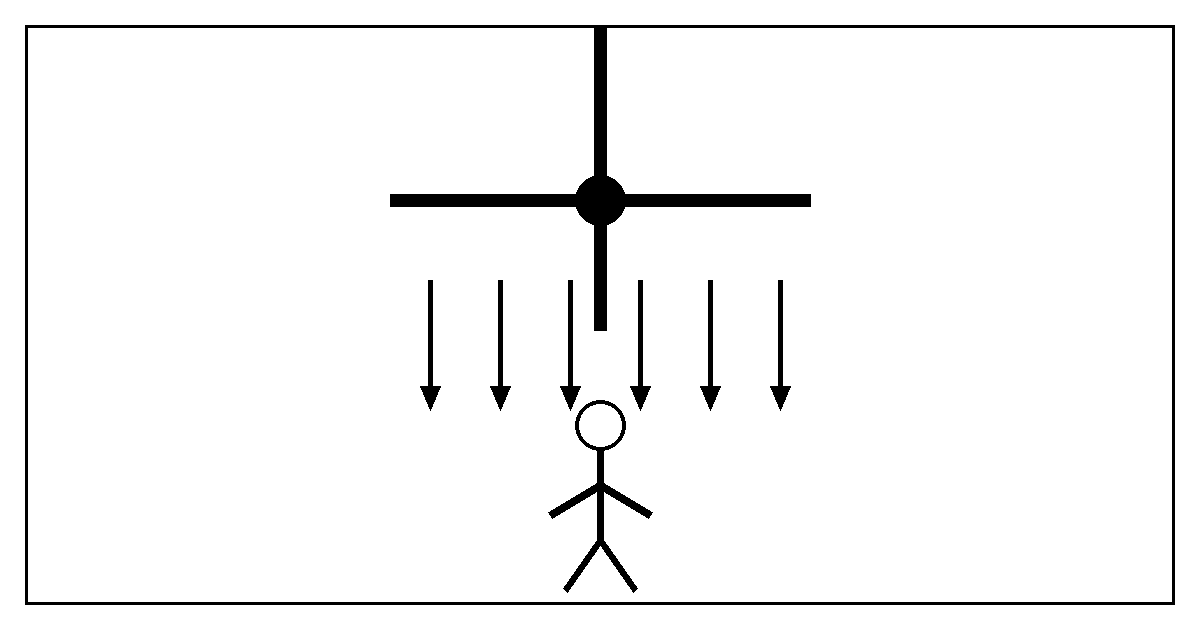
A ceiling fan does not meaningfully lower the temperature of an empty room. It makes people feel cooler by moving air across the skin, which increases evaporation and helps the body shed heat. ENERGY STAR puts the rule plainly: ceiling fans cool people, not rooms, so the fan should be turned off when nobody is there. [1]
That distinction matters because a fan can improve comfort while still wasting electricity if it runs all day in an unoccupied room.
What a ceiling fan actually does
A ceiling fan creates airflow. When that moving air passes over your skin, it can make the room feel cooler even though a thermometer may show little or no temperature change. ENERGY STAR describes this as a wind-chill effect. [1]
The fan motor also uses electricity and gives off a small amount of heat. That heat is usually minor compared with the comfort benefit when someone is in the room, but it is another reason an unattended fan is not secretly refrigerating the space.
The practical rule is simple:
- Occupied room: use the fan if the breeze improves comfort.
- Empty room: turn it off.
- Air-conditioned room: use the fan to support a slightly higher thermostat setting.
- Dangerously hot room without air conditioning: do not assume a fan alone makes the space safe.
Can a ceiling fan help lower air-conditioning costs?
It can, but only if you change how the air conditioner is used.
The Department of Energy says a ceiling fan may allow some people to raise the thermostat setting by about 4°F without reducing comfort. [2] ENERGY STAR offers a more conservative example: raising the thermostat by 2°F while using a ceiling fan may lower air-conditioning costs by up to 14 percent. [3]
Those numbers are not universal guarantees. Savings depend on the fan, climate, electricity price, air conditioner, insulation, thermostat schedule, and whether people actually tolerate the higher setting. The fan does not reduce cooling costs if the thermostat stays unchanged and the fan simply becomes an additional appliance running beside the air conditioner.
A sensible approach is:
- Turn on the ceiling fan while the room is occupied.
- Raise the thermostat one or two degrees.
- Wait long enough to judge comfort.
- Raise it another degree only if the room still feels comfortable.
- Turn the fan off when leaving.
This is more reliable than immediately jumping several degrees and then deciding the entire idea is miserable.
Should the fan run when nobody is home?
Usually, no.
Because the airflow benefit is experienced by people rather than stored in the room, leaving a ceiling fan running in an empty house generally adds electricity use without providing later cooling. ENERGY STAR and the Department of Energy both advise turning fans off when the room is unoccupied. [1] [2]
There are exceptions for equipment designed for a specific ventilation or moisture-control purpose, but an ordinary ceiling fan is not a substitute for a bathroom exhaust fan, attic ventilation system, dehumidifier, or air conditioner.
Which direction should a ceiling fan turn?
For summer comfort, ENERGY STAR recommends counterclockwise rotation when viewed from below, producing a downward breeze that you can feel beneath the fan. [1]
For winter operation, many reversible fans can run clockwise at low speed. This creates a gentle updraft that helps redistribute warm air collected near the ceiling. The Department of Energy notes that this can improve comfort, but the fan still does not change the room temperature by itself. [5]
Fan designs and controls differ, so check the manufacturer’s instructions before changing direction. Some newer models may describe direction by airflow rather than by clockwise or counterclockwise rotation.
Can a fan make extreme indoor heat safe?
No. A ceiling fan is a comfort tool, not guaranteed protection from dangerous heat.
CDC guidance says indoor fans should be used only when indoor temperatures are below 90°F. Above 90°F, a fan can increase body temperature rather than safely cool a person. [4] People who are older, very young, pregnant, taking certain medications, or living with chronic health conditions may face higher heat risk.
When indoor conditions are dangerously hot:
- Use air conditioning when available.
- Move to a cooling center, library, store, or other air-conditioned location.
- Drink water regularly unless a clinician has restricted fluid intake.
- Use cool showers, damp cloths, or other body-cooling methods.
- Seek emergency help for confusion, fainting, very high body temperature, or other signs of heat stroke.
Do not use the presence of a spinning fan as evidence that a room is safe.
Does fan speed matter?
Higher speed usually produces more airflow and a stronger cooling sensation, but it also uses more electricity and may create more noise. Use the lowest speed that provides enough comfort.
Fan performance varies substantially. Blade size alone does not determine how well a fan moves air; motor design, blade geometry, mounting height, and room layout also matter. ENERGY STAR evaluates ceiling-fan efficiency using airflow delivered per watt, expressed as cubic feet per minute per watt. [6]
If a fan barely creates a breeze at its normal occupied position, increasing the thermostat because “the fan is on” may not produce the expected comfort.
Bottom line
A ceiling fan cools you, not the room. Run it when people are present, turn it off when the room is empty, and pair it with a modestly higher air-conditioning setting if the breeze keeps everyone comfortable. During extreme indoor heat, treat the fan as supplemental airflow rather than a replacement for effective cooling.
Limits and cautions
- Thermostat and cost-saving figures are general federal guidance, not guaranteed household savings.
- Fan comfort varies by airflow, room layout, humidity, clothing, health, and personal preference.
- The article does not evaluate a particular fan model and contains no hands-on testing.
- CDC cautions that indoor fans can increase body temperature when indoor temperatures exceed 90°F.
Source notes
- Ceiling Fan Installation and Usage TipsENERGY STAR
- Top 11 Things You Didn't Know About Saving Energy at Home: Summer EditionU.S. Department of Energy
- Keep Your Cool AND Save Your Money this SummerENERGY STAR
- About Heat and Your HealthCenters for Disease Control and Prevention
- 5 Tips to Help You Save on Energy Bills this WinterU.S. Department of Energy
- Ceiling Fans Key Product CriteriaENERGY STAR
See something wrong or out of date? Report a correction.