
How Long Do Leftovers Last in the Fridge?
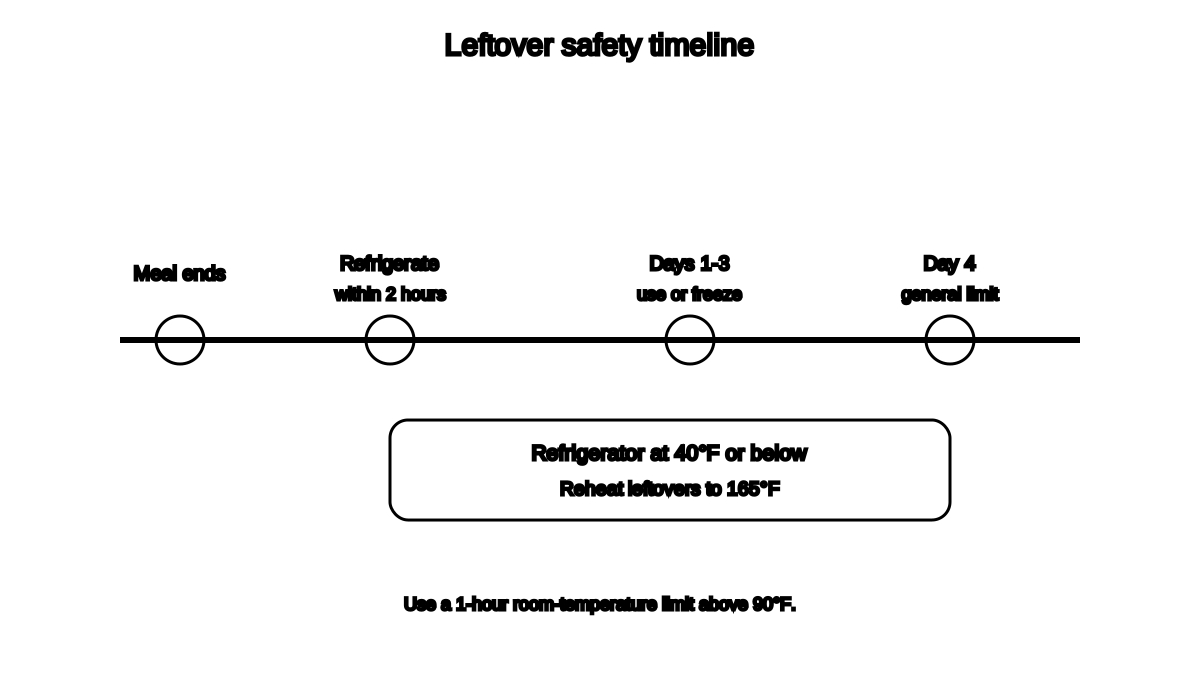
Refrigerate leftovers within two hours, or one hour when the air temperature is above 90°F. Divide large amounts into shallow containers. Use most cooked leftovers within three to four days and reheat them to 165°F.
.jpg)
Most cooked leftovers should be used within three to four days when refrigerated promptly at 40°F or below.[1]
Freeze food that will not be used within that window.
Quick answer: Refrigerate leftovers within two hours, or one hour when the air temperature is above 90°F. Divide large amounts into shallow containers. Use most cooked leftovers within three to four days and reheat them to 165°F.
The three-to-four-day rule
.jpg)
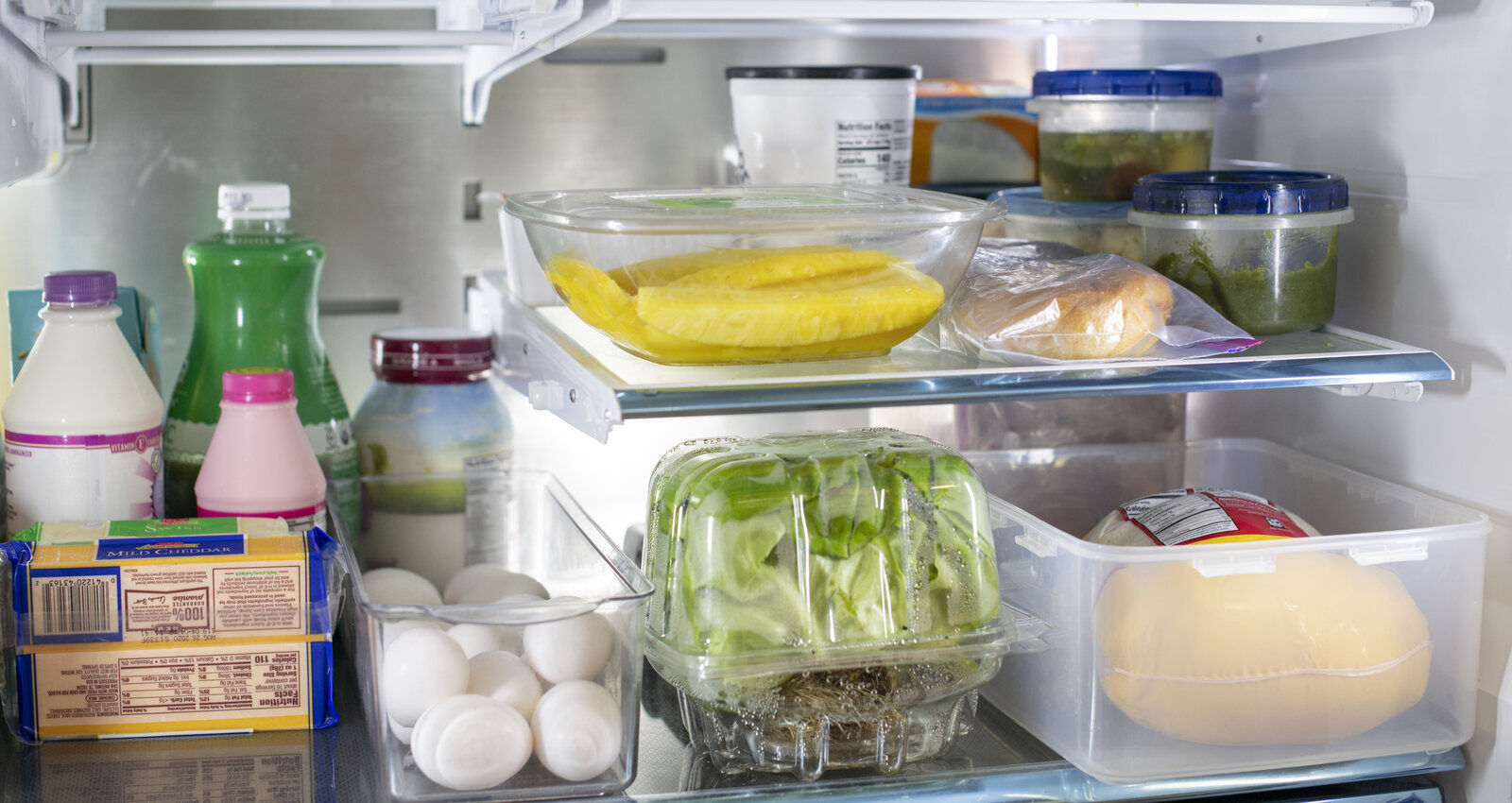
USDA states that refrigerated leftovers can be kept for three to four days.[1]
The clock begins when the food is prepared, not when you remember to put a label on it two days later.
If the date is uncertain, use the conservative decision.
The two-hour rule
Perishable food should not remain at room temperature for more than:
- Two hours under ordinary conditions
- One hour when the air temperature is above 90°F[2]
This includes:
- Restaurant takeout
- Party food
- Cooked meat
- rice
- pasta
- pizza
- dairy
- casseroles
- seafood
Refrigerating food after it has already spent too long warm does not restore safety.
Cool food quickly
Use:
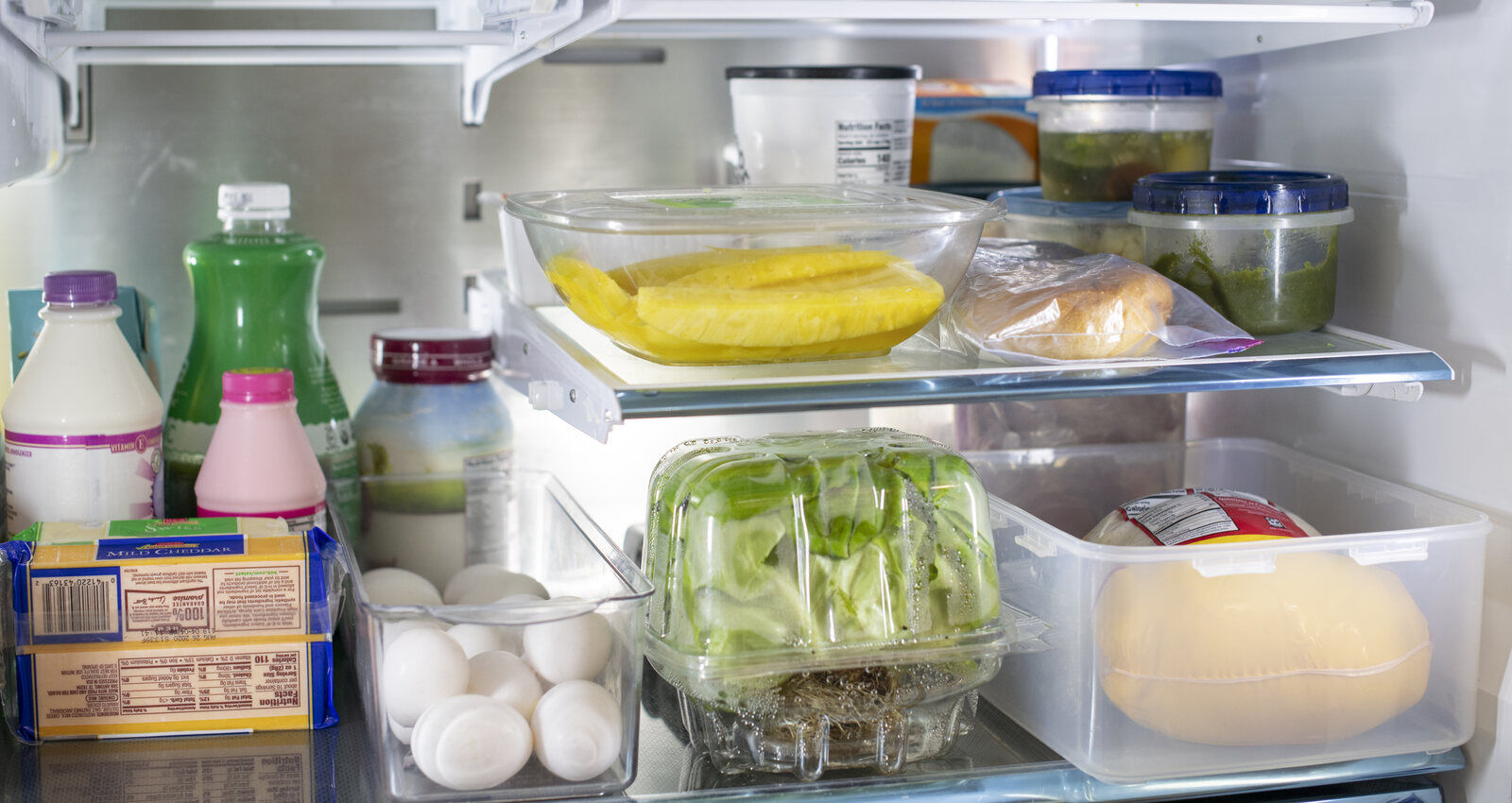
- Shallow containers
- smaller portions
- separate containers
- ice bath for large liquid foods where appropriate
- prompt refrigeration
USDA states that hot food can be placed directly in the refrigerator or rapidly chilled in an ice or cold-water bath.[1]
Do not leave a large pot on the counter for hours to “cool naturally.”
Refrigerator temperature
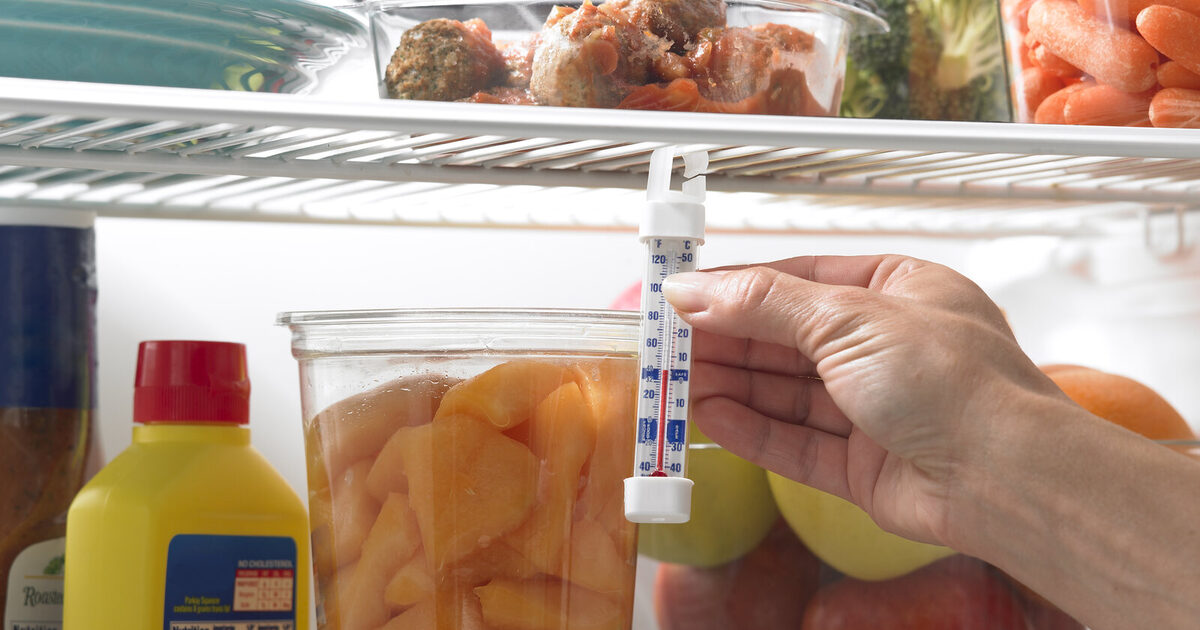
Keep the refrigerator at 40°F or below.[3]
Use an appliance thermometer.
The three-to-four-day rule assumes safe refrigeration.
A refrigerator at 45°F does not extend the window merely because the food is technically inside an appliance.
Cover and label
Store leftovers in:
- Covered containers
- sealed bags
- leak-resistant packaging
Label:
- Food
- preparation date
- freeze date where applicable
- use-first status
Do not rely on memory after several identical containers enter the refrigerator.
General leftover table
| Food | Refrigerator planning window |
|---|---|
| Most cooked leftovers | 3-4 days |
| Cooked meat and poultry | 3-4 days |
| Soups and stews | 3-4 days |
| Pizza | 3-4 days |
| Cooked rice and pasta | 3-4 days |
| Restaurant takeout | Count from purchase/preparation |
| Frozen leftovers | Safety can remain, quality declines over time |
Use USDA FoodKeeper for item-specific storage.
Rice and pasta
Cooked rice and pasta are perishable.
Use the same:
- Prompt cooling
- shallow containers
- 40°F or below
- three-to-four-day window
- 165°F reheating
Do not leave a rice cooker or pot at room temperature for extended periods unless the appliance maintains a verified safe hot-holding temperature.
Meat, poultry, and seafood
Store promptly.
Keep raw-food leakage away from leftovers.
Reheat leftovers to 165°F.[2]
Use a food thermometer.
Do not judge safety only by color or smell.
Soup and stew
Divide a large batch.
A deep pot cools slowly in the center.
Use:
- Shallow containers
- smaller portions
- ice bath
- frequent stirring during approved cooling
- prompt refrigeration
Do not put an extremely hot heavy pot onto a glass refrigerator shelf unless the manufacturer permits it.
Restaurant leftovers
The clock includes:
- Time at table
- travel home
- stops
- time before refrigeration
Use an insulated cooler when travel will be long.
Do not assume restaurant food was prepared at the moment it was served.
Reheating
USDA recommends reheating leftovers to 165°F.[1][2]
For microwave reheating:
- Cover
- rotate
- stir
- allow standing time
- measure several spots
Cold spots can remain.
Bring sauces, soups, and gravies to a rolling boil where USDA guidance calls for it.
Reheating more than once
Repeated heating and cooling increases opportunities for temperature abuse.
Reheat only the portion needed.
Keep the remainder cold.
The original three-to-four-day refrigerator window does not restart with each reheating.
Freezing
Freeze before the refrigerator window ends.
Use:
- Freezer-safe container
- date
- portion size
- headspace for liquids
Thaw safely in:
- refrigerator
- cold water with correct handling
- microwave followed by immediate cooking
Do not thaw on the counter.
Smell and appearance
Spoiled food may smell or look abnormal.
Dangerous food may look and smell normal.
Do not taste food to test safety.
When time or temperature is unknown, throw it out.
High-risk household members
Foodborne illness can be more serious for:
- Pregnant people
- young children
- older adults
- immunocompromised people
- people with certain chronic conditions
Use conservative storage and reheating practices.
Frequently asked questions
Are leftovers good for seven days?
Most cooked leftovers have a three-to-four-day refrigerator recommendation.
Does reheating reset the clock?
No.
Can I put hot food in the fridge?
USDA says hot food may be refrigerated directly or rapidly chilled. Divide large quantities.
Is pizza safe after five days?
Five days is beyond the general three-to-four-day leftover window.
Can I freeze leftovers on day four?
Freeze before the safe refrigerator window expires and when temperature history is known.
Printable companion
Download the ungated Leftover Labels and Refrigerator Use-First List PDF. No email address is required.
Related guides
- Why Is My Refrigerator Running All the Time?
- Refrigerator Not Cooling but Freezer Works
- Why Is My Freezer Frosting Up?
- Why Is My Refrigerator Leaking Water?
- How to Organize a Refrigerator for Food Safety and Less Waste
- How Much Does a Refrigerator Cost to Run?
- Do You Need a Refrigerator Thermometer? What to Look For
- How Long Is Food Safe in the Refrigerator Without Power?
- How to Calculate What an Appliance Costs to Run
- Repair or Replace an Appliance?
- Appliance Buying Checklist: Measurements, Hookups, Delivery, Warranty, and Recalls
Source notes
- Leftovers and Food SafetyUSDA FSIS
- Keep Food SafeUSDA FSIS
- Are You Storing Food Safely?U.S. Food and Drug Administration
See something wrong or out of date? Report a correction.