
Why Is My Electric Bill So High in Summer?
If your summer bill jumped, compare daily electricity use first. Divide the bill’s kilowatt-hours by the number of billing days. If daily use rose sharply, cooling or another electrical load is probably responsible. If daily use stayed similar but the bill rose, look for a higher rate, new fee, tiered pricing, or an estimated meter reading.
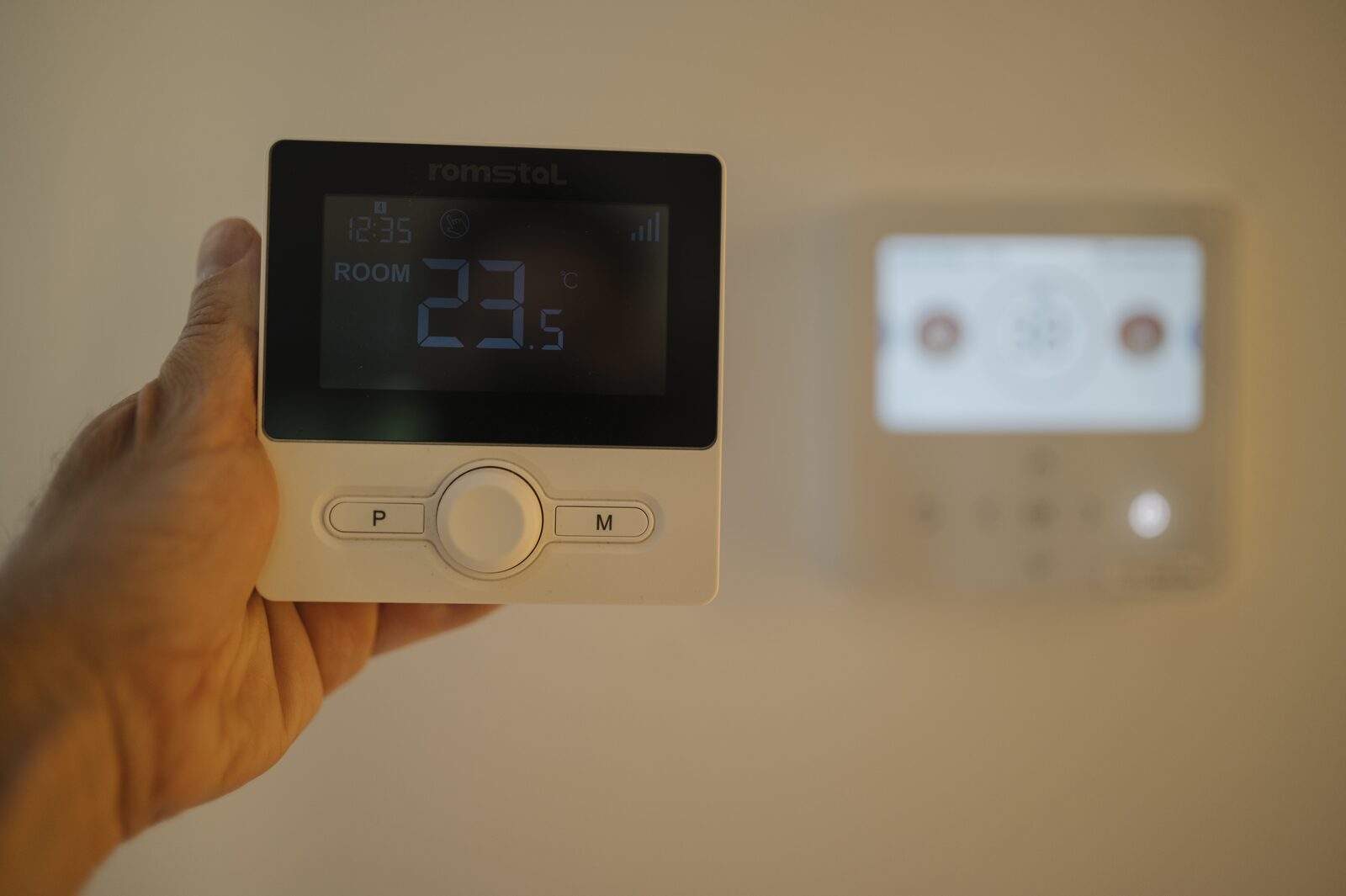

A high summer electric bill usually has two causes: you used more electricity, electricity cost more per kilowatt-hour, or both. Air conditioning is often the largest seasonal change, but it is not the only explanation. A longer billing cycle, a new rate, a dirty filter, an air leak, a malfunctioning appliance, or a new household habit can all push the total higher.
The fastest way to diagnose the increase is to stop looking at the dollar total for a moment and compare three numbers:
- Kilowatt-hours used
- Number of days in the billing period
- Total price per kilowatt-hour and fixed charges
That separates a real usage increase from a rate or billing change.
Quick answer: If your summer bill jumped, compare daily electricity use first. Divide the bill’s kilowatt-hours by the number of billing days. If daily use rose sharply, cooling or another electrical load is probably responsible. If daily use stayed similar but the bill rose, look for a higher rate, new fee, tiered pricing, or an estimated meter reading.
Start with kilowatt-hours, not dollars
Electric bills mix several things together:
- Electricity consumption, measured in kilowatt-hours
- The utility’s energy or supply charge
- Delivery charges
- Fixed monthly customer charges
- Taxes and public-program fees
- Time-of-use or tiered-rate adjustments
- Credits, late fees, or prior balances
The total bill can rise even when your consumption does not. That is why the first comparison should be kWh per day.
Use:
Formula: Daily electricity use = (kilowatt-hours on the bill ÷ billing days)
Suppose last month’s bill covered 29 days and showed 870 kWh:
Formula: 870 ÷ 29 = 30 kWh per day
This month covers 33 days and shows 1,320 kWh:
Formula: 1,320 ÷ 33 = 40 kWh per day
The billing period was longer, but daily use also increased by one-third. That points to a real change in household demand rather than calendar weirdness alone.
Nine common reasons summer electric bills rise
1. Your air conditioner ran for more hours
Air conditioners do not usually draw full power every minute they are switched on. The compressor cycles in response to temperature, humidity, thermostat settings, insulation, sunlight, and equipment condition.
During hotter or more humid weather, the compressor may run much longer. A system that ran three hours of compressor time on a mild day may run eight or ten hours during a heat wave. The thermostat setting did not change; the workload did.
Heating and cooling account for a large share of household energy use, so even a moderate change in cooling runtime can be visible on the bill.[1]

2. Your electricity price changed
The U.S. Energy Information Administration reported an average residential electricity price of 18.44 cents per kWh for May 2026, compared with 17.37 cents in May 2025.[2] That national figure is only an example. Your utility rate may be much higher or lower, and the price on your bill may include several separate charges.
At 18.44 cents per kWh, an extra 400 kWh would add:
Formula: 400 × $0.1844 = $73.76
That is before any fixed fees, tiered pricing, demand charges, taxes, or local adjustments.
Do not substitute the national average for your own rate. Use the energy-charge line from your bill or calculate an approximate all-in rate:
Formula: Approximate all-in rate = (current bill charges ÷ kWh used)
This all-in number is useful for comparison, but it includes fixed charges that do not increase proportionally with consumption.
3. The billing period was longer
A 33-day bill will normally be larger than a 28-day bill, even if daily electricity use is unchanged.
Compare:
- kWh per day
- dollars per day
- average outdoor conditions during each period
Do not compare only the headline total.
4. Heat is entering the house faster
Cooling cost depends on how quickly heat enters the home. Common paths include:
- Direct sun through windows
- Gaps around doors and windows
- Poor attic or wall insulation
- Leaky ducts
- An unsealed window-air-conditioner installation
- Frequent door opening
- Cooking and other indoor heat sources
DOE notes that insulation, shading, efficient windows, air sealing, and ventilation strategies can reduce the amount of cooling a home needs.[3]
Closing shades on sun-facing windows during the hottest part of the day is a useful first step. So is checking obvious gaps around a room AC or window kit.
5. The filter or coils are dirty
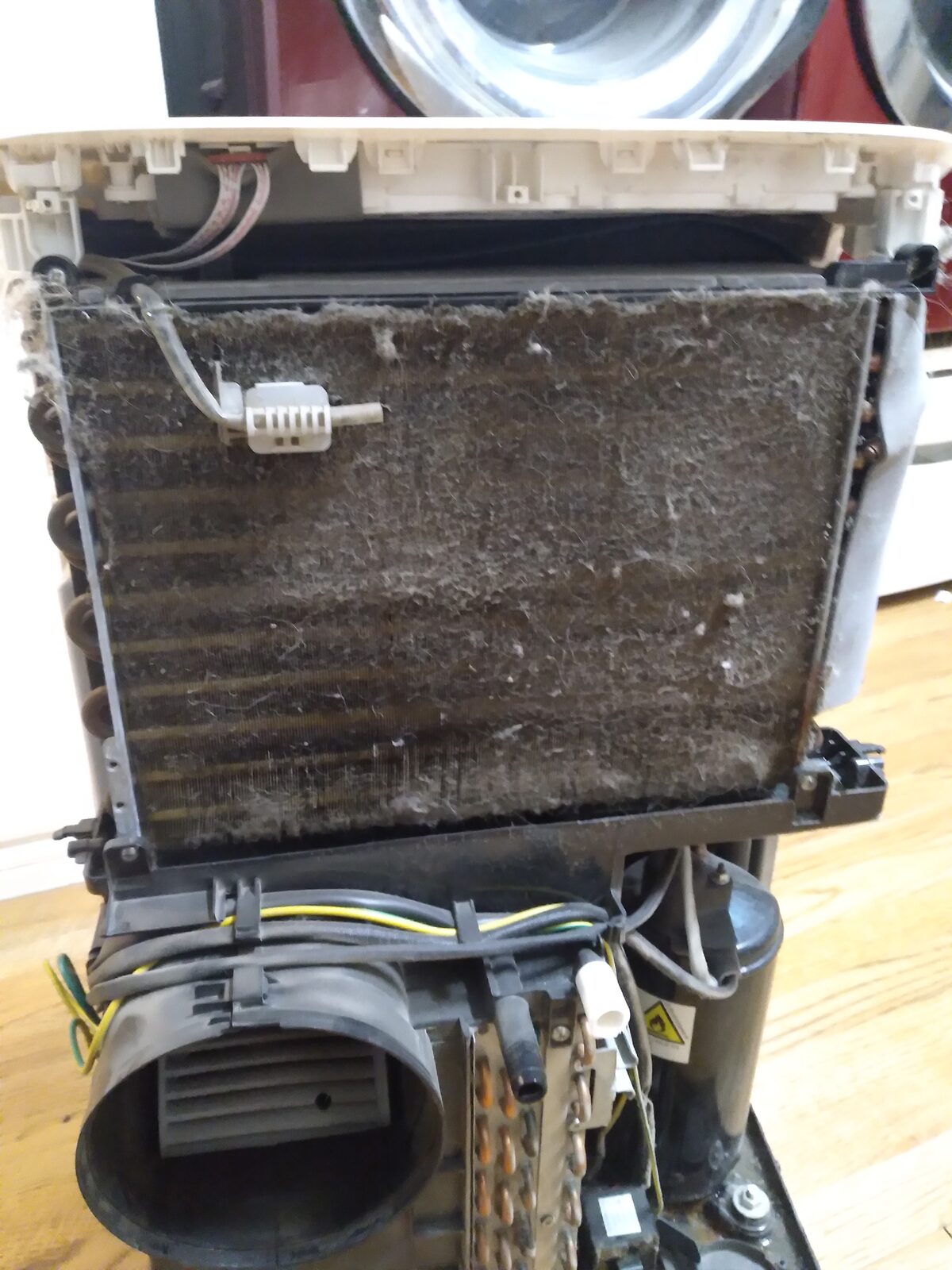

A dirty filter restricts airflow and makes the system work harder. ENERGY STAR recommends checking filters monthly during heavy-use seasons and changing them when dirty; at minimum, filters should generally be changed every three months unless the equipment or filter instructions say otherwise.[4]
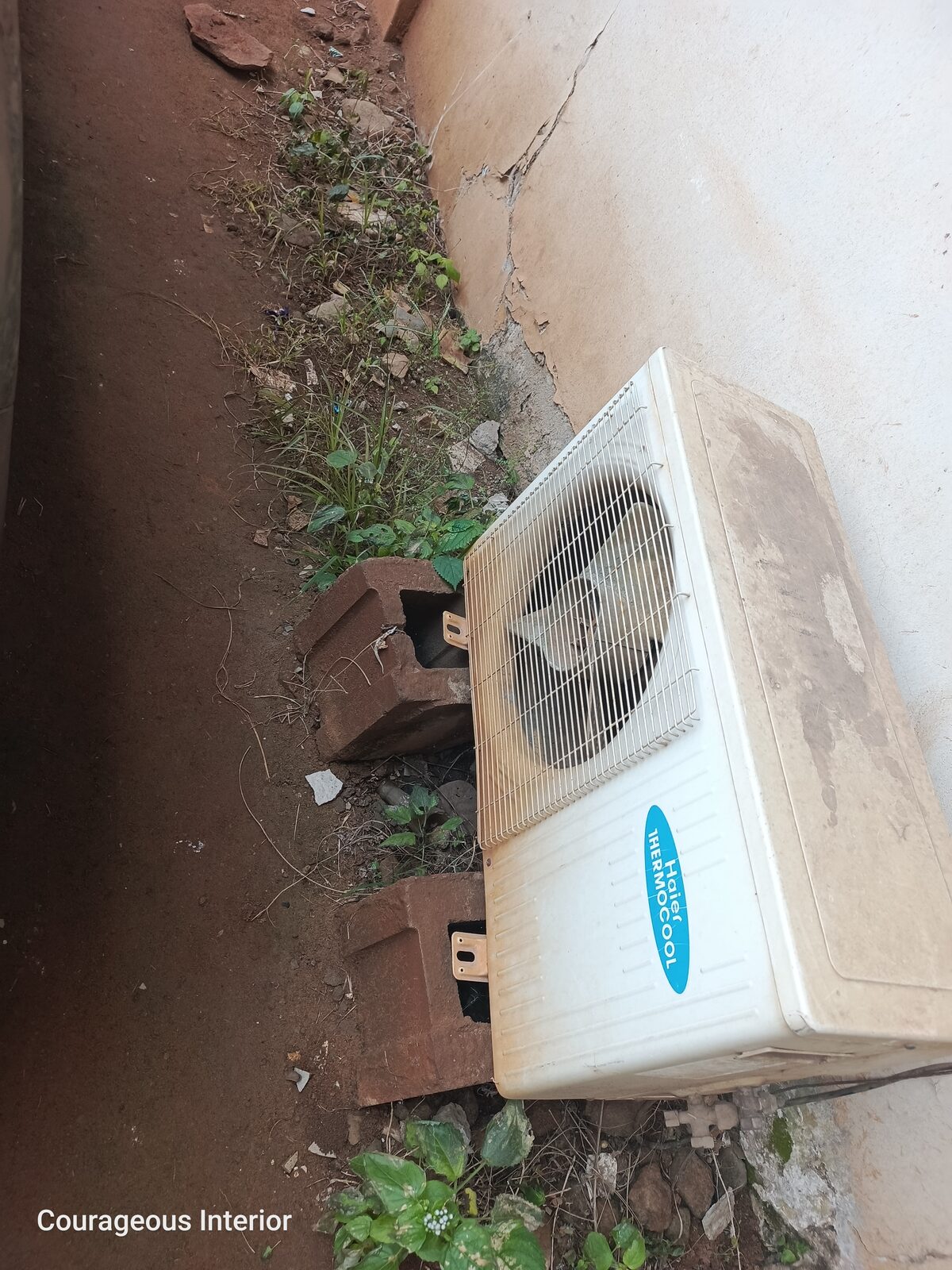
Dirty indoor or outdoor coils can also reduce cooling performance and increase runtime. Keep the outdoor unit clear of leaves, weeds, lint, and other debris. Do not open electrical panels or handle refrigerant components yourself.
6. The thermostat is getting a false temperature reading
A lamp, television, computer, sunny wall, or other heat source near the thermostat can make the thermostat sense a warmer temperature than the room occupants experience. The result can be unnecessary cooling runtime.[5]
Also check whether someone changed:
- The cooling setpoint
- The fan setting from
AutotoOn - A schedule
- A smart-thermostat routine
- A utility demand-response setting
For most forced-air systems, Auto lets the blower stop when cooling is not active. On may run the blower continuously.
7. Another appliance is contributing
Summer often changes more than air-conditioning use. Look for:
- A dehumidifier running continuously
- A second refrigerator or freezer
- A pool pump
- An electric water heater working harder for more occupants
- An electric vehicle charging at home
- More laundry and clothes-dryer use
- An oven used during hot afternoons
- Computers, gaming systems, or home-office equipment running longer
- A sump pump or well pump operating unusually often
A plug-in electricity meter can help measure ordinary 120-volt appliances. Do not use one on equipment that exceeds the meter’s rating, and do not attempt to measure hardwired HVAC equipment without a qualified professional.
8. The AC is too small, too large, poorly installed, or failing
An undersized room AC may run almost continuously and still struggle to cool. An oversized unit may cycle rapidly and control humidity poorly. ENERGY STAR provides room-size guidance and warns that bigger is not automatically better.[6]
Signs that deserve attention include:
- The system runs continuously but the temperature keeps rising
- One room is much hotter than the others
- Airflow is unusually weak
- Ice forms on indoor components or refrigerant lines
- The outdoor unit repeatedly starts and stops
- The breaker trips
- The unit makes a new grinding, buzzing, or rattling noise
- Water is leaking where it should not
Turn the system off and call a qualified technician if you smell burning, see damaged wiring, or suspect an electrical problem.
9. The meter reading or account changed
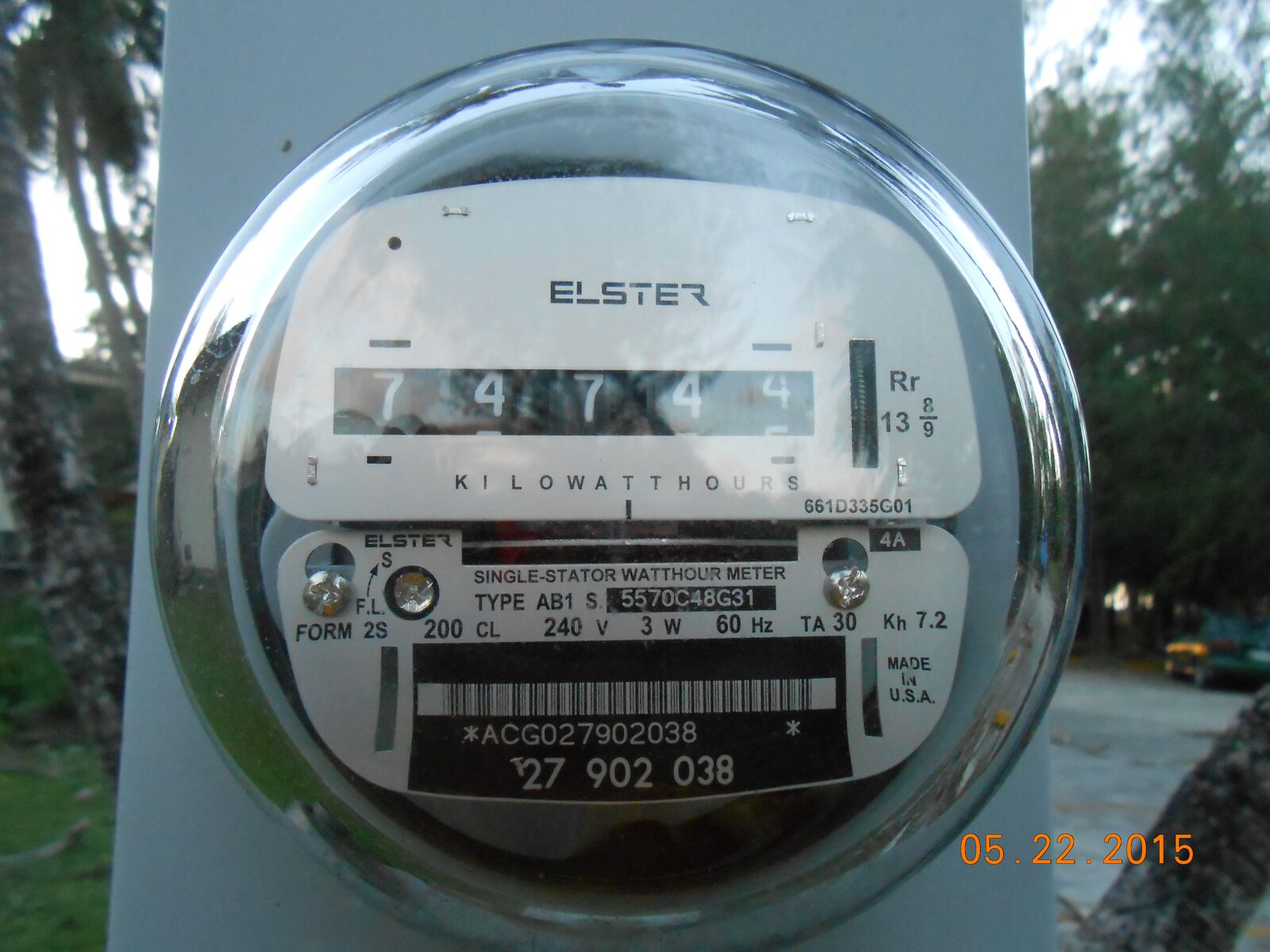

Check whether the bill says the reading was:
- Actual
- Estimated
- Corrected
- Final
- Adjusted after a previous estimate
Also verify:
- The meter number
- Service address
- Rate plan
- Previous balance
- Payment history
- Start and end dates
An estimated bill can be corrected later, producing a sudden increase that does not correspond neatly to the current month’s weather.
A 20-minute high-bill check
Work through this in order:
- Find the current and prior bills.
- Compare kWh, billing days, and kWh per day.
- Compare the per-kWh charge and fixed fees.
- Check whether either meter reading was estimated.
- Look at thermostat settings and schedules.
- Check the HVAC or room-AC filter.
- Inspect visible window and door gaps.
- Confirm that windows are closed while the AC runs.
- Look for a dehumidifier, pool pump, second refrigerator, EV charger, or other new load.
- Compare the bill period with unusually hot or humid weather.
The companion Home Energy Check for a High Summer Bill turns this into a printable checklist.
How much of the increase could be cooling?
You can make a rough estimate if you know the equipment’s wattage.
Formula: Cost = (watts ÷ 1,000) × hours × electricity price per kWh
A 1,000-watt room AC running at full power for six hours per day over 30 days would use:
Formula: 1.0 × 6 × 30 = 180 kWh
At 18.44 cents per kWh, that is:
Formula: 180 × $0.1844 = $33.19
Real cost may be lower because the compressor cycles, or higher if the unit draws more than 1,000 watts, runs longer, or your local rate is higher.
For a more exact estimate, see:
- How Much Does a Window AC Cost per Hour?
- How Much Does a Portable AC Cost to Run?
What to do before buying anything

Try the low-cost checks first:
- Clean or replace a dirty filter
- Close blinds or curtains against direct afternoon sun
- Seal obvious gaps around a room AC or portable-AC window kit
- Keep supply and return vents unobstructed
- Move heat-producing electronics away from the thermostat
- Use a fan in occupied rooms to improve comfort
- Raise the thermostat slightly when the home is empty
- Use the oven less during the hottest hours
- Keep the outdoor condenser clear of debris
A fan can improve comfort and may let you use a higher thermostat setting, but a fan cools people rather than the empty room. Turn it off when the room is unoccupied.[5]
Heat safety comes before bill savings
Do not reduce cooling to an unsafe level during extreme heat. CDC advises using air conditioning or going to an air-conditioned location when needed. Fans should be used for body cooling only when the indoor temperature is below 90°F; above that level, fan use can increase body temperature.[7]
Older adults, infants, people who are pregnant, people taking certain medications, and people with chronic health conditions may need a more conservative cooling plan.
Seek medical help immediately for confusion, loss of consciousness, seizures, very high body temperature, or other signs of heat stroke.
Frequently asked questions
Why did my bill rise if I did not change the thermostat?
Outdoor heat, humidity, direct sunlight, air leakage, and system condition affect runtime. The thermostat can remain at the same setting while the compressor runs many more hours.
Can the utility rate change during summer?
Yes. Some utilities have seasonal, tiered, or time-of-use rates. Supply prices, delivery charges, taxes, and riders may also change. Compare each line with the prior bill.
Does leaving the AC fan on increase the bill?
It can. In a forced-air system, the On setting may run the blower continuously. The Auto setting usually runs it only when the system is actively heating or cooling.
Should I turn the AC off when I leave?
Reducing cooling while the home is empty usually saves energy. Whether to turn it completely off depends on outdoor heat, humidity, pets, health needs, the building, and how long you will be gone. See Does Turning the AC Off Save Money?
When should I call the utility?
Call if the meter number, rate plan, reading type, balance, or usage looks wrong; if a large correction appeared; or if daily use remains inexplicably high after you check the obvious household loads.
Related guides and tool
- Calculate window AC operating cost
- Calculate portable AC operating cost
- Compare fan and air-conditioner cost
- Decide whether to turn the AC off
- Use the printable home energy check
- Compare household energy benchmarks
Source notes
- Heat & Cool EfficientlyENERGY STAR
- Electric Power Monthly: Sales, Revenue, and Average Price of Electricity to Ultimate Customers for May 2026U.S. Energy Information Administration
- Home CoolingU.S. Department of Energy
- Maintenance ChecklistENERGY STAR
- Top 11 Things You Didn’t Know About Saving Energy at Home: Summer EditionU.S. Department of Energy
- Room Air ConditionersENERGY STAR
- About Heat and Your HealthCenters for Disease Control and Prevention
See something wrong or out of date? Report a correction.