
How to Organize a Refrigerator for Food Safety and Less Waste
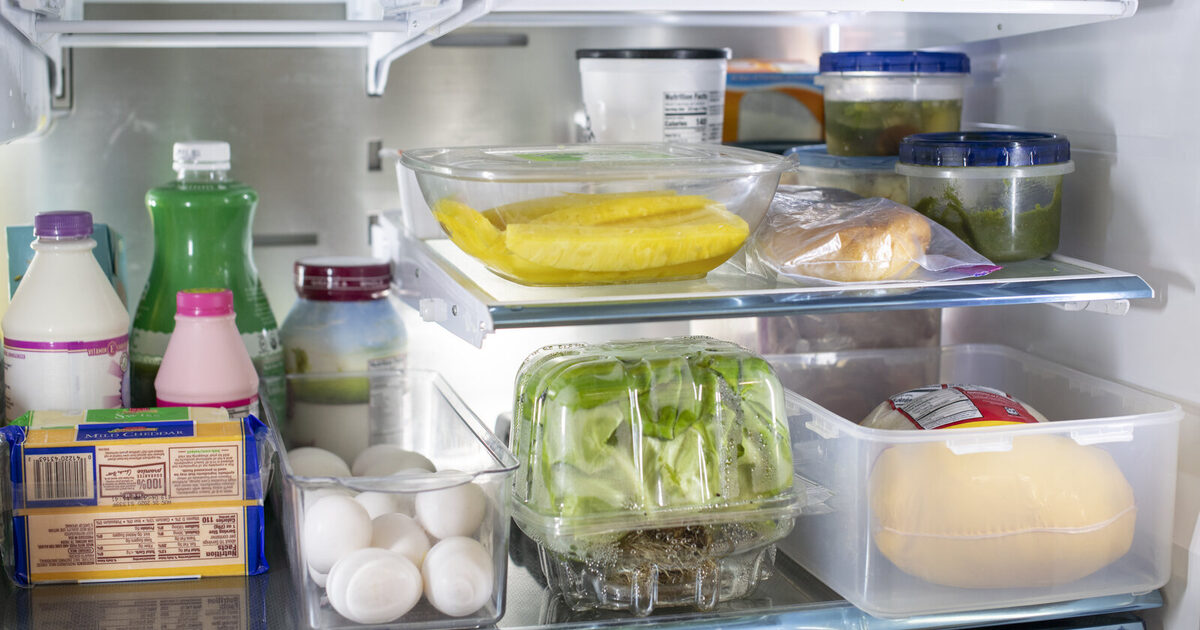
Do not overpack. Store raw meat in a leak-resistant container below ready-to-eat food, label leftovers, keep vents open, use drawers as designed, and create a use-first area for food nearing its storage limit.
.jpg)
A useful refrigerator organization system should do four things:
- Keep food at 40°F or below.
- Preserve cold-air circulation.
- Prevent raw-food leakage and cross-contamination.
- Keep food visible enough to use before it spoils.
Quick answer: Do not overpack. Store raw meat in a leak-resistant container below ready-to-eat food, label leftovers, keep vents open, use drawers as designed, and create a use-first area for food nearing its storage limit.
Start with temperature
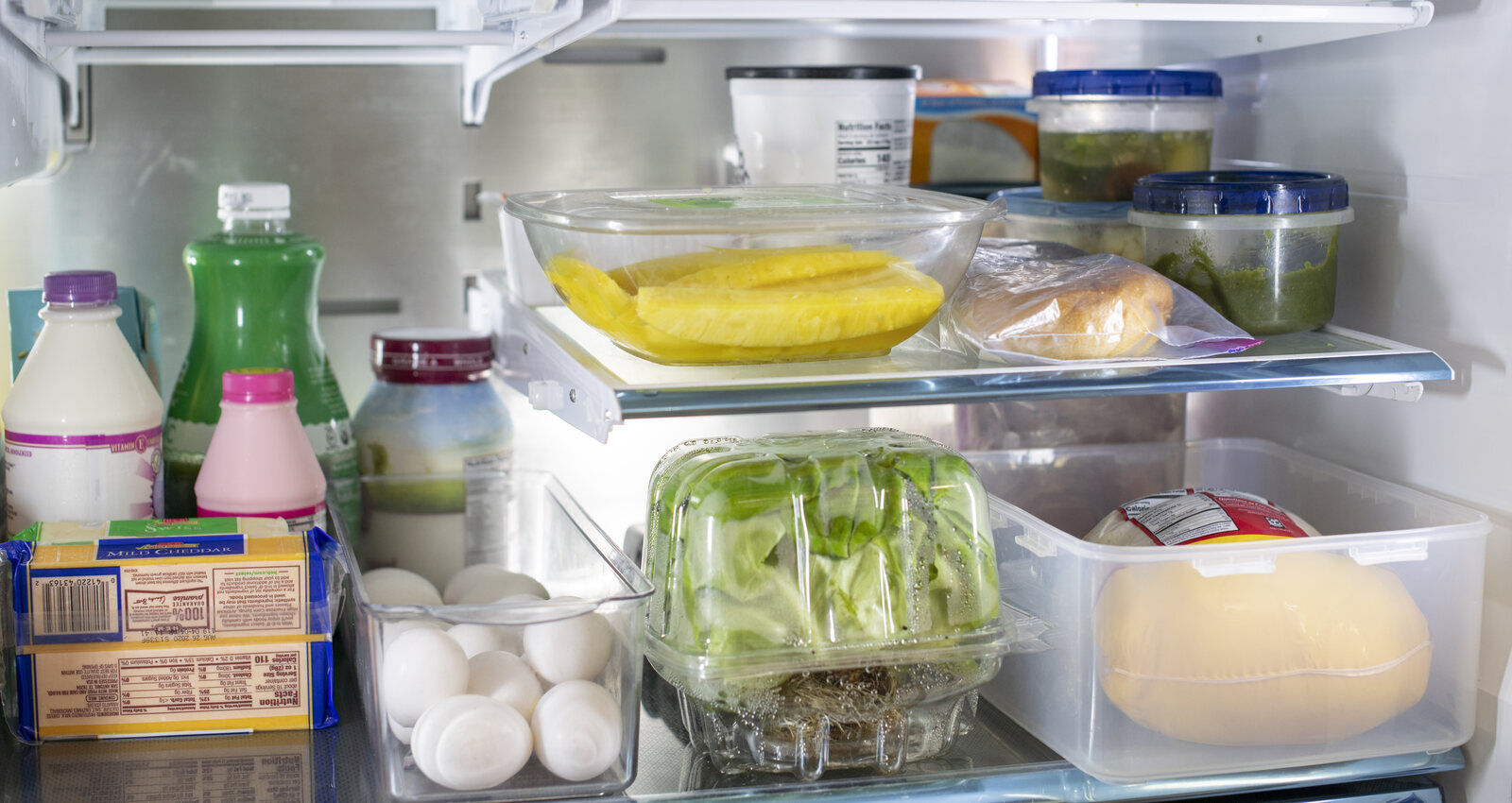
Install a refrigerator thermometer.
FDA recommends:
- Refrigerator: 40°F or below
- Freezer: 0°F[1]
Check weekly and after:
- Power outage
- Door left open
- grocery load
- setting change
- repair
- unexplained spoilage
Organization cannot make an unsafe temperature safe.
Preserve airflow
Do not pack food tightly against:
- Supply vents
- return vents
- sensors
- back panel
- fan cover
FDA warns against overpacking because cold air must circulate.[1]
Use containers that fit the shelf rather than building a refrigerated wall of leftovers.
Ready-to-eat food
.jpg)
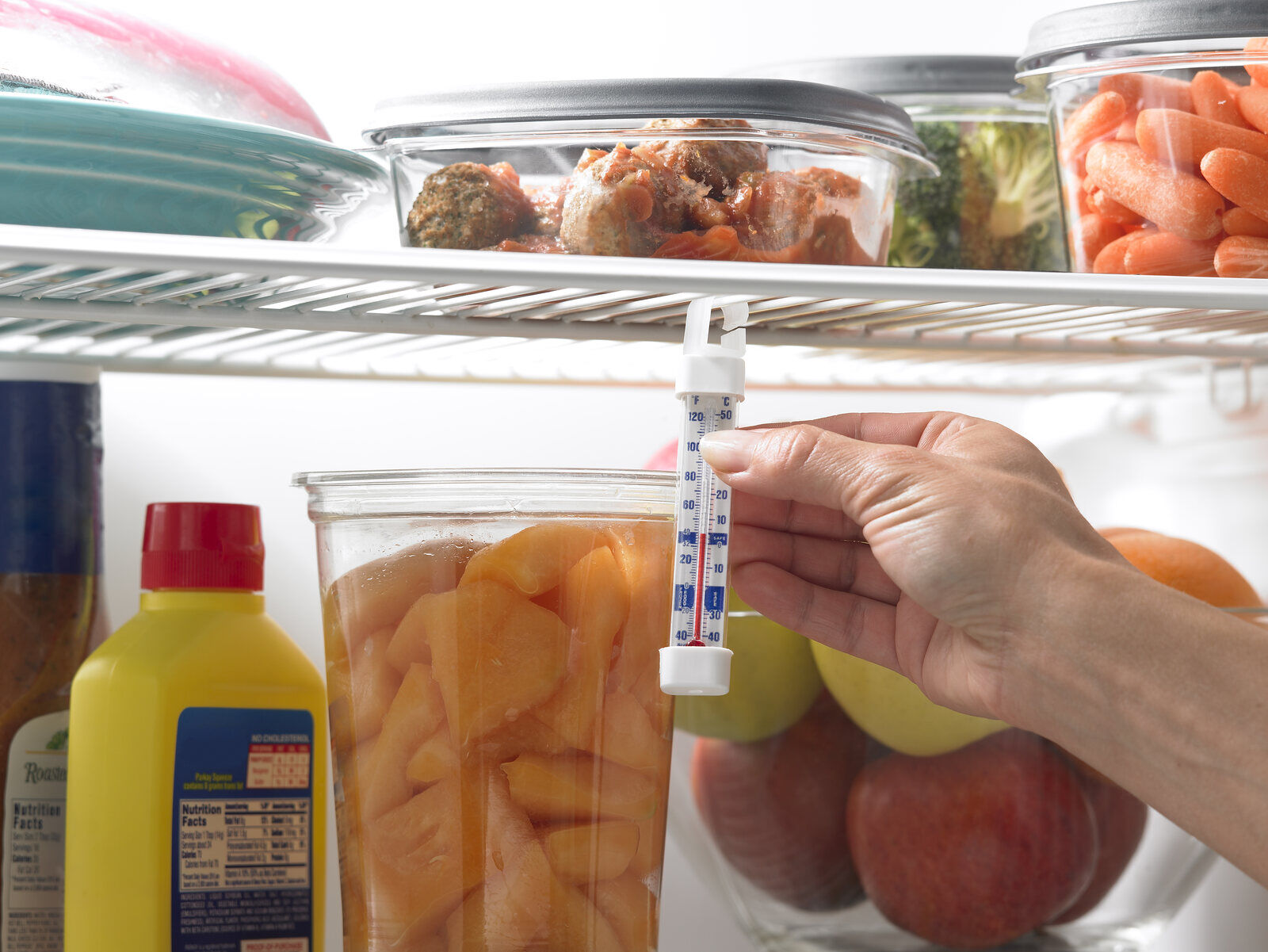
Store covered ready-to-eat food where it remains:
- Cold
- visible
- protected from drips
- easy to use
Examples:
- leftovers
- yogurt
- cheese
- cut produce
- deli food
- prepared meals
Use older safe items first.
Raw meat, poultry, and seafood
Keep raw animal foods:
- In leak-resistant packaging
- In a tray or bin
- Below ready-to-eat food
- Away from produce eaten raw
If the original package leaks, place it inside a sealed container.
Clean spills immediately.
FDA notes that cleaning drips from thawing meat helps prevent cross-contamination.[2]
Leftover zone
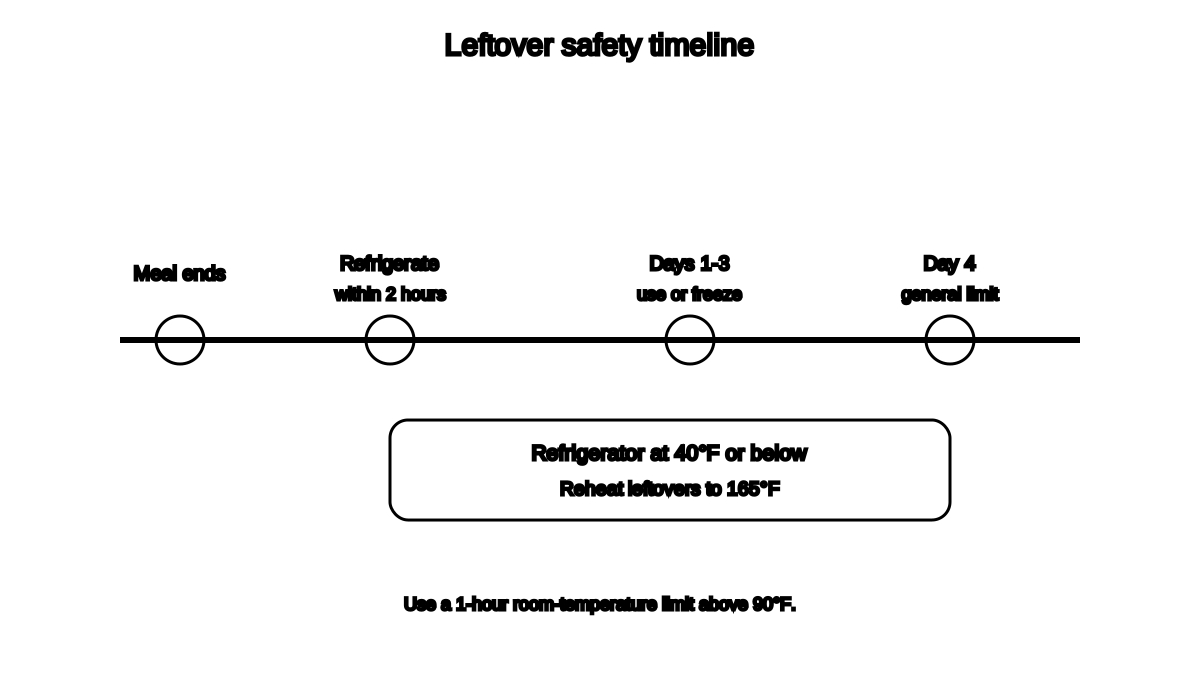
Choose one shelf or bin.
Label:
- Food name
- preparation date
- use-by planning date
Keep the oldest item at the front.
Do not distribute leftovers among six shelves and then accuse the refrigerator of hiding them.
Use-first bin
A use-first area may contain:
- Produce nearing ripeness
- opened dairy
- leftovers
- half-used ingredients
- items near label date
The bin is an organization tool, not a safety override.
Discard food that has exceeded safe time or temperature.
Door storage
The door experiences more temperature change.
Use it for items whose labels and risk tolerate that location.
Avoid placing highly perishable food in the door when the manufacturer’s design or food-safety guidance recommends a colder shelf.
Do not move eggs or milk merely because a decorative molded bin exists.
Produce drawers
Crisper drawers can help manage humidity and contain produce.
Use the manual to understand:
- High-humidity setting
- low-humidity setting
- drawer airflow
- recommended produce
Keep raw meat separate.
Do not wash produce before storage when excess moisture will speed spoilage, unless the product guidance says otherwise.
Opened packages
Transfer or secure:
- Open cans
- bags
- cut cheese
- sliced food
- leftovers
- sauces
Use food-safe containers.
Label when the original date or storage instruction is lost.
Large pots
Large pots can:
- Cool slowly
- block airflow
- overload shelves
- hide food
Divide food into shallow containers.
USDA recommends prompt cooling and shallow storage for leftovers.[3]
Weekly refrigerator reset
Once a week:
- Read the thermometer.
- Check leftovers.
- Move safe use-first items forward.
- Wipe spills.
- Remove spoiled food.
- Check vents.
- Check raw-food tray.
- Review produce.
- Plan meals from existing food.
Do not perform a lengthy deep clean with perishables sitting at room temperature.
Cleaning
For ordinary cleaning:
- Follow manufacturer instructions.
- Use mild dish detergent and water where approved.
- Rinse and dry.
- Clean spills promptly.
- Wash removable parts safely.
- Keep water away from lights and controls.
Do not mix cleaning chemicals.
Freezer organization
Group by category:
- Meat
- vegetables
- meals
- bread
- leftovers
Label:
- Item
- freeze date
- portion
- cooking status
Keep vents open.
Use a thermometer.
A full freezer may hold temperature longer during an outage, but overpacking can obstruct airflow.
Food labels
Different labels can mean:
- Safety
- quality
- manufacturer inventory
- store display
Use:
- USDA FoodKeeper
- product label
- recall notice
- food-safety guidance
Do not treat every printed date as an automatic safety deadline or ignore refrigerated-storage rules because the printed date is later.
Frequently asked questions
Should raw meat always go on the bottom?
Store it below ready-to-eat food in leak-resistant containment.
Is the door safe for milk?
The door varies in temperature. Use a colder shelf when practical and consistent with the appliance design.
How full should the refrigerator be?
Full enough for normal use but not so packed that airflow is blocked.
Should leftovers cool before refrigeration?
Refrigerate promptly. Divide large quantities into shallow containers.
How do I reduce food waste?
Maintain safe temperature, label food, create a use-first area, and review contents weekly.
Printable companion
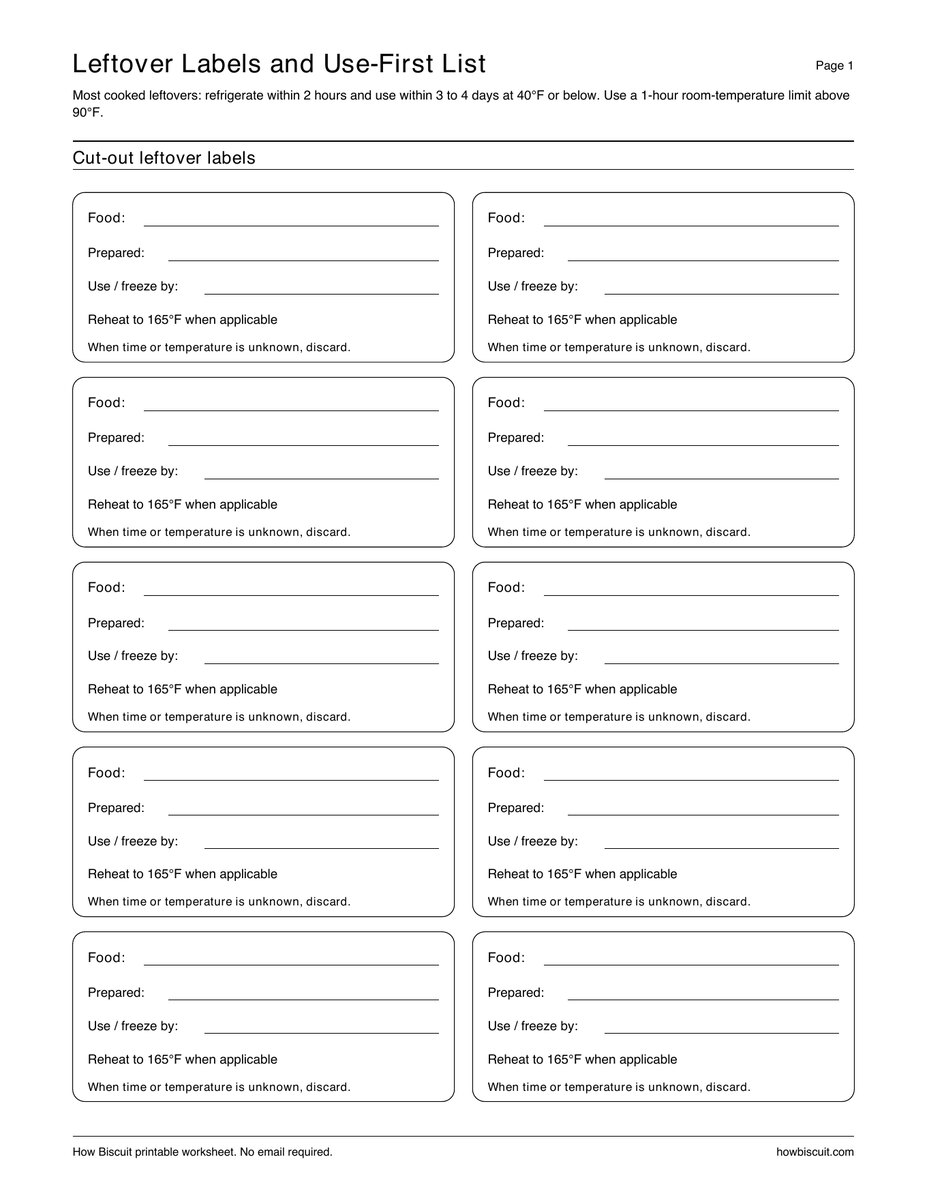
Download the ungated Leftover Labels and Refrigerator Use-First List PDF. No email address is required.
Related guides
- Why Is My Refrigerator Running All the Time?
- Refrigerator Not Cooling but Freezer Works
- Why Is My Freezer Frosting Up?
- Why Is My Refrigerator Leaking Water?
- How Long Do Leftovers Last in the Fridge?
- How Much Does a Refrigerator Cost to Run?
- Do You Need a Refrigerator Thermometer? What to Look For
- How Long Is Food Safe in the Refrigerator Without Power?
- How to Calculate What an Appliance Costs to Run
- Repair or Replace an Appliance?
- Appliance Buying Checklist: Measurements, Hookups, Delivery, Warranty, and Recalls
Source notes
- Are You Storing Food Safely?U.S. Food and Drug Administration
- Refrigerator Thermometers—Cold Facts about Food SafetyU.S. Food and Drug Administration
- Leftovers and Food SafetyUSDA FSIS
- How to Cut Food Waste and Maintain Food SafetyFDA
See something wrong or out of date? Report a correction.