
Air-Drying vs. Clothes Dryer: Cost, Time, and Fabric Tradeoffs
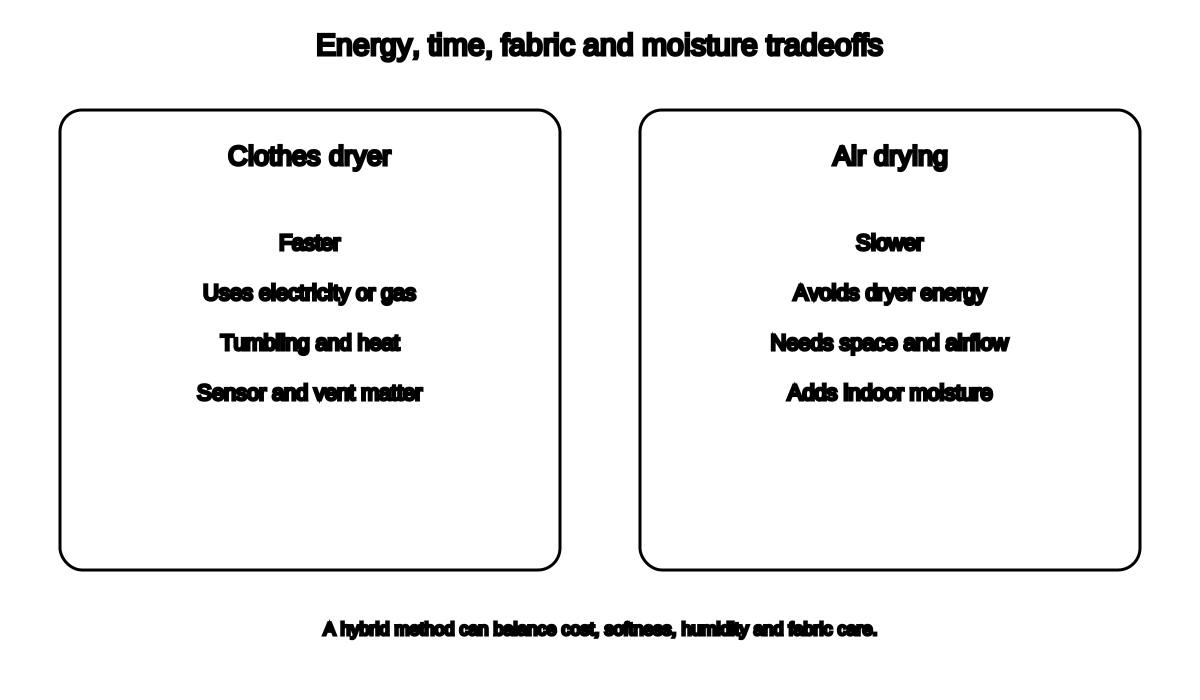
Air dry when the home can manage the added moisture and the fabric allows it. Use the dryer when speed, sanitation, weather, allergies, building rules, or fabric result make it the stronger option. A hybrid approach often works best.

Air drying eliminates dryer energy for the portion of laundry dried on a rack or line.
It also requires:
- Space
- Time
- Air movement
- Suitable humidity
- Building permission
- Fabric compatibility
Quick answer: Air dry when the home can manage the added moisture and the fabric allows it. Use the dryer when speed, sanitation, weather, allergies, building rules, or fabric result make it the stronger option. A hybrid approach often works best.
Electricity and fuel
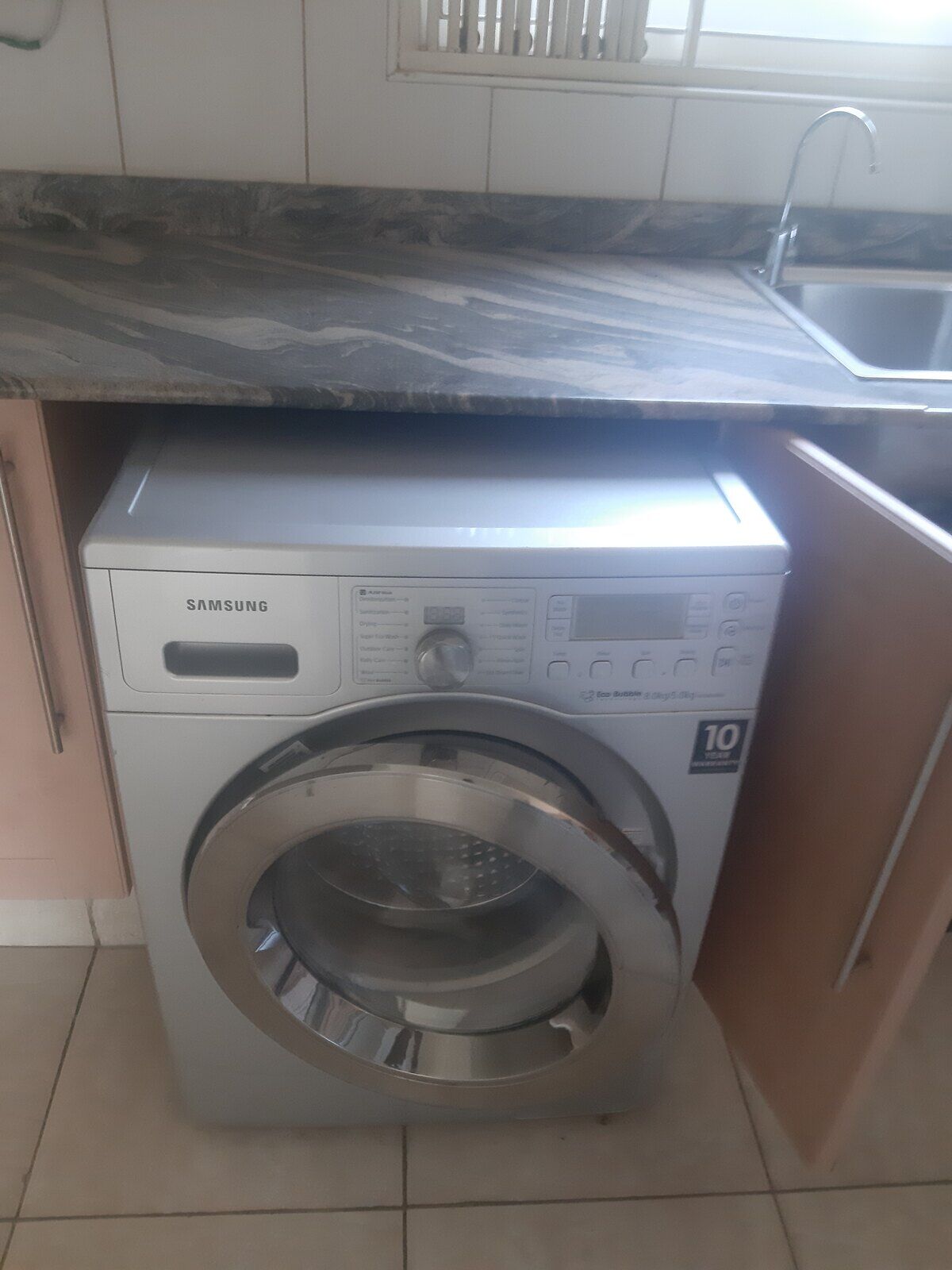

Dryer cost depends on:
- Electric or gas
- kWh or fuel
- load size
- washer spin
- cycle
- sensor
- vent
- local rate
Air drying avoids that dryer energy.
It may indirectly affect:
- Dehumidifier use
- air conditioning
- space heating
- indoor humidity
Do not claim indoor air drying is completely free in every climate.
Fabric wear
High heat and tumbling can affect:
- Elastic
- shrinkage
- color
- surface wear
- delicate fibers
- printed decoration
Air drying can reduce mechanical and thermal stress.
But hanging can stretch:
- sweaters
- knits
- heavy wet fabric
Follow the care label.
Drying time
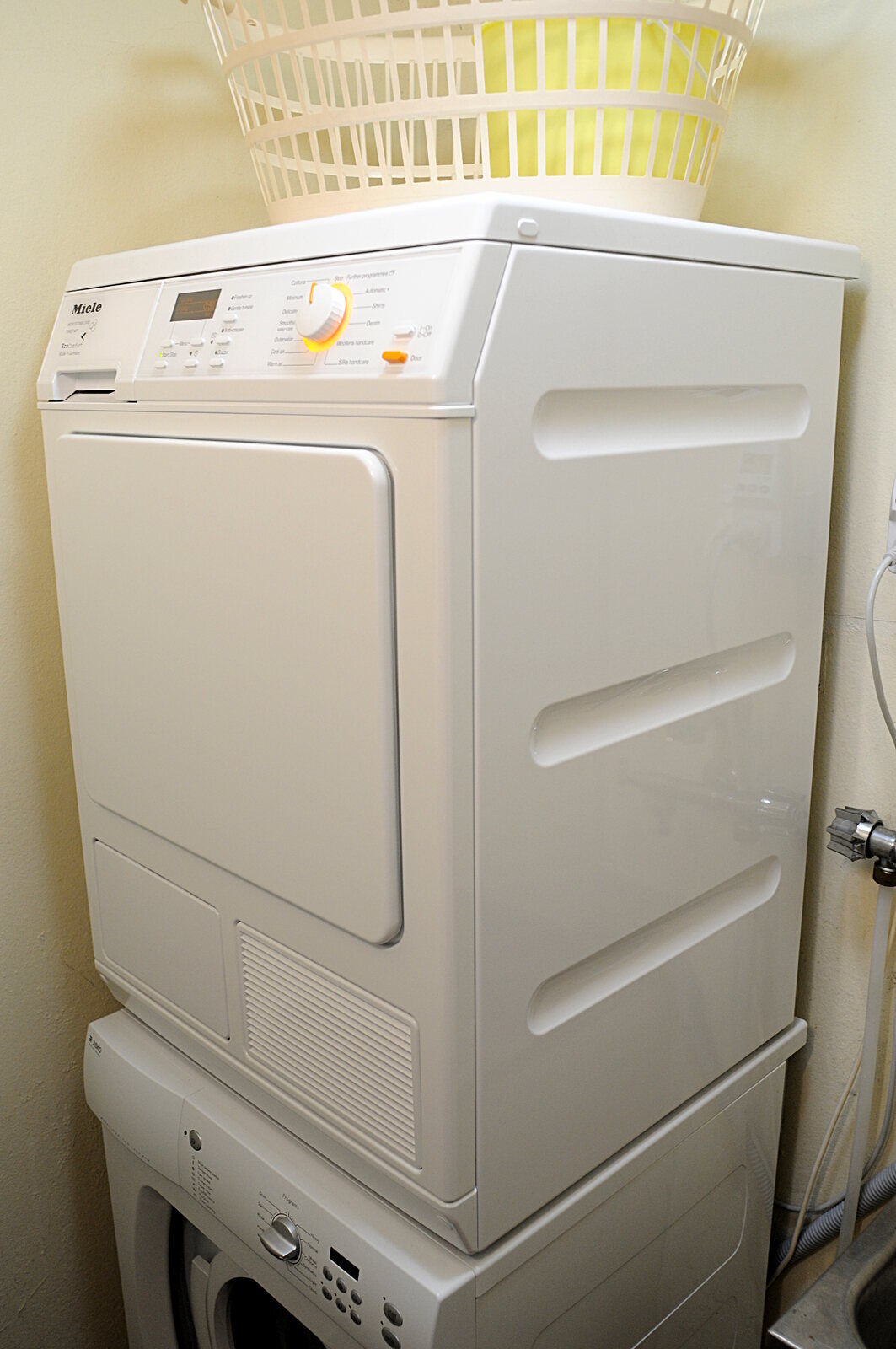

Air-drying time depends on:
- Relative humidity
- temperature
- airflow
- fabric
- load spacing
- indoor or outdoor location
- washer spin
A crowded rack in a humid basement can remain damp long enough to develop odor.
Use:
- High appropriate washer spin
- Space between items
- Fan where safe
- ventilation
- dehumidifier where justified
Indoor humidity
Wet laundry adds moisture to indoor air.
The existing humidity target article recommends:
- Ideally 30% to 50%
- Below 60%
Watch for:
- Window condensation
- damp walls
- musty odor
- slow drying
- mold growth
Do not dry large loads indoors in a room already above the moisture target.
Outdoor drying
Advantages:
- Sun and airflow
- no indoor moisture
- no dryer energy
- large capacity
Limitations:
- rain
- pollen
- smoke
- dust
- insects
- birds
- freezing
- building rules
- theft
- fabric fading
Check local air quality.
Do not dry clothing outdoors during wildfire smoke or heavy pesticide application.
Allergies
Outdoor drying can expose fabric to:
- pollen
- dust
- smoke
- spores
Sensitive households may prefer indoor drying with filtered air or machine drying.
No method guarantees allergen-free clothing.
Towels
Air-dried towels may feel stiff because fibers dry without tumbling.
Options:
- Shake before hanging
- avoid excess detergent
- use correct rinse
- brief low-heat tumble
- line dry, then finish in dryer
Do not add excessive softener, which can reduce absorbency.
Delicates
Air drying is often suitable for:
- bras
- elastic garments
- sweaters
- activewear
- items labeled line dry or lay flat
Use:
- Flat surface for knits
- padded hanger
- correct shape
- no direct high heat
Sanitation
Some situations may require a validated hot dryer cycle or other sanitation process.
Use:
- Public-health guidance
- care label
- dryer manual
- washer sanitation cycle where supported
Do not assume sunlight disinfects every fabric and pathogen.
Hybrid drying
Options:
- Dryer for 10 to 20 minutes, then rack
- Rack until nearly dry, then brief tumble
- Separate heavy items
- Use dryer for towels and bedding
- Air dry delicates
- Use sensor cycle
The hybrid method can balance:
- wrinkles
- softness
- energy
- humidity
- time
Cost example
Suppose an electric dryer uses 2.15 kWh per standardized load.
At $0.1844 per kWh:
2.15 \times \$0.1844
=
\$0.40
Air drying 150 such loads would avoid approximately:
150 \times \$0.40
=
\$60
This is a standardized hypothetical example.
Actual dryer kWh and indoor-climate effects differ.
Decision table
| Condition | Stronger starting method |
|---|---|
| Low indoor humidity and good airflow | Indoor rack may fit |
| Humid basement | Dryer or dehumidified room |
| High outdoor pollen | Indoor or dryer |
| Wildfire smoke | Do not dry outdoors |
| Delicate garment | Air dry as label directs |
| Towels needed quickly | Sensor dryer |
| Apartment prohibits outdoor line | Indoor rack or dryer |
| Large bedding | Capacity and label determine method |
Frequently asked questions
Does air drying save money?
It avoids dryer energy, but indoor humidity control may use energy.
Can indoor drying cause mold?
It can contribute to high humidity and condensation when ventilation is inadequate.
Does a dryer kill germs?
Some cycles can reduce microorganisms, but use validated sanitation guidance rather than assumptions.
Why are air-dried clothes stiff?
Lack of tumbling, detergent residue, and hard water can contribute.
Is outdoor drying better?
It can be efficient but weather, allergens, smoke, rules, and fabric fading matter.
Printable companion
Download the ungated Laundry Fire-Safety and Vent Log PDF. No email address is required.
Related guides
- Why Are Clothes Taking So Long to Dry?
- How Often Should You Clean a Dryer Vent?
- Why Does My Front-Load Washer Smell?
- Cold vs. Warm vs. Hot Water for Laundry
- How Much Laundry Detergent Should You Use?
- How Much Does a Washing Machine Cost Per Load?
- How Much Does an Electric Dryer Cost Per Load?
- What Humidity Should Your House Be?
- How Much Does a Dehumidifier Cost to Run?
- How to Read an EnergyGuide Label
- Repair or Replace an Appliance?
Source notes
- Clothes WashersENERGY STAR
- Clothes DryersENERGY STAR
See something wrong or out of date? Report a correction.