
Do You Need a Refrigerator Thermometer? What to Look For
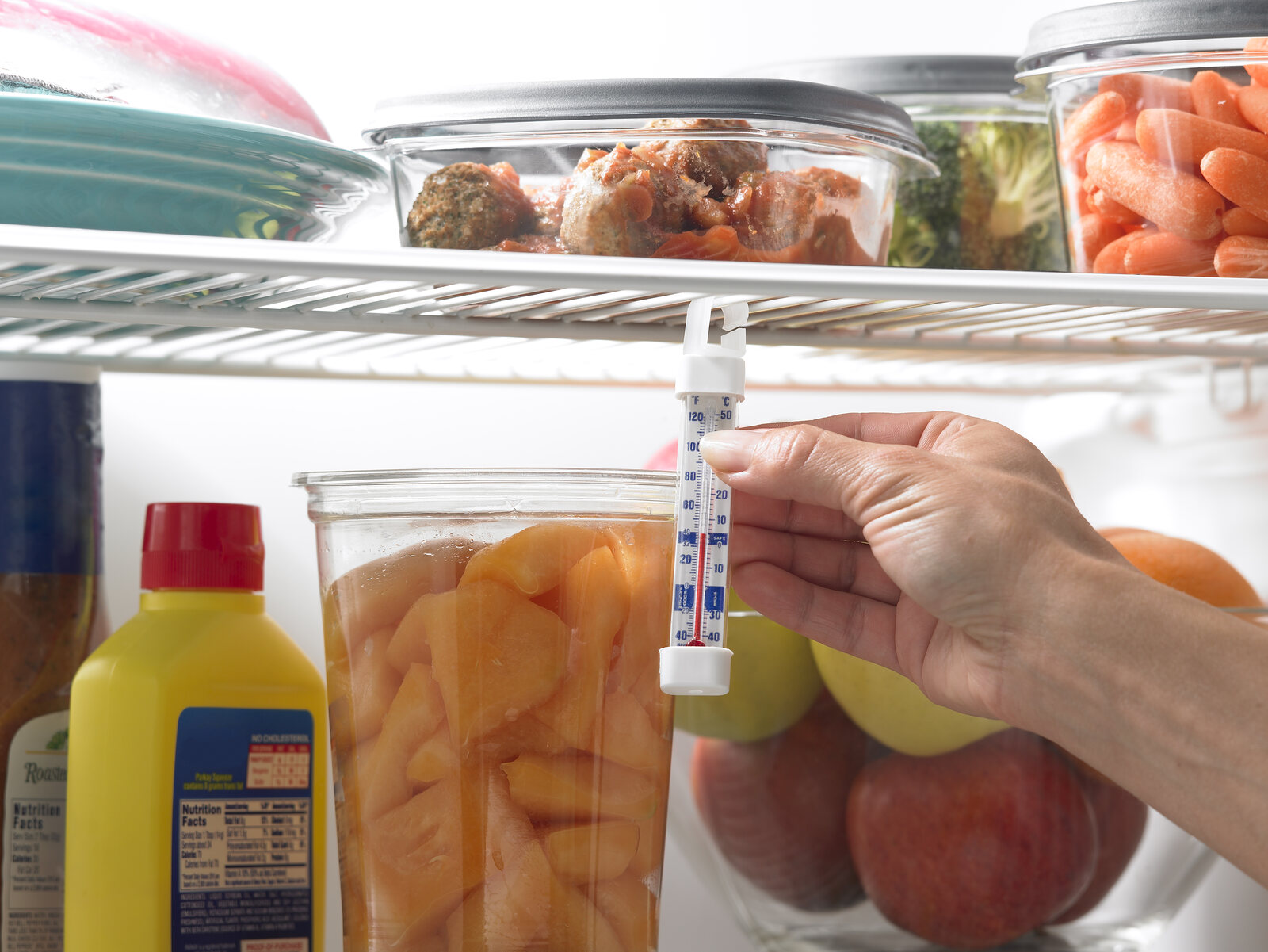
Buy one cold-rated appliance thermometer for the refrigerator and one for the freezer. Choose models that clearly include 0°F and 40°F, can hang or stand securely, and are easy to read without holding the door open.
.jpg)
Yes. Keep an appliance thermometer in both the refrigerator and freezer.
Your refrigerator should stay at 40°F or below, and your freezer should stay at 0°F or below. Appliance controls often show a setting rather than the actual compartment temperature.[1][2]
A thermometer becomes especially valuable during a power outage, equipment failure, or unexplained food spoilage.
Quick answer: Buy one cold-rated appliance thermometer for the refrigerator and one for the freezer. Choose models that clearly include 0°F and 40°F, can hang or stand securely, and are easy to read without holding the door open.
Appliance thermometer versus food thermometer
These are different tools.
Appliance thermometer
Measures the air temperature inside:
- Refrigerator
- Freezer
- Cooler
- Oven, when designed for oven use
A refrigerator/freezer appliance thermometer is designed for cold-temperature accuracy.[3]
Food thermometer
Measures the internal temperature of food.
Use it to check:
- Meat
- Poultry
- Seafood
- Leftovers
- Individual thawing packages
- Food in a cooler
Do not assume one thermometer is suitable for every job. Follow its stated temperature range and use instructions.
Why the refrigerator control is not enough
.jpg)
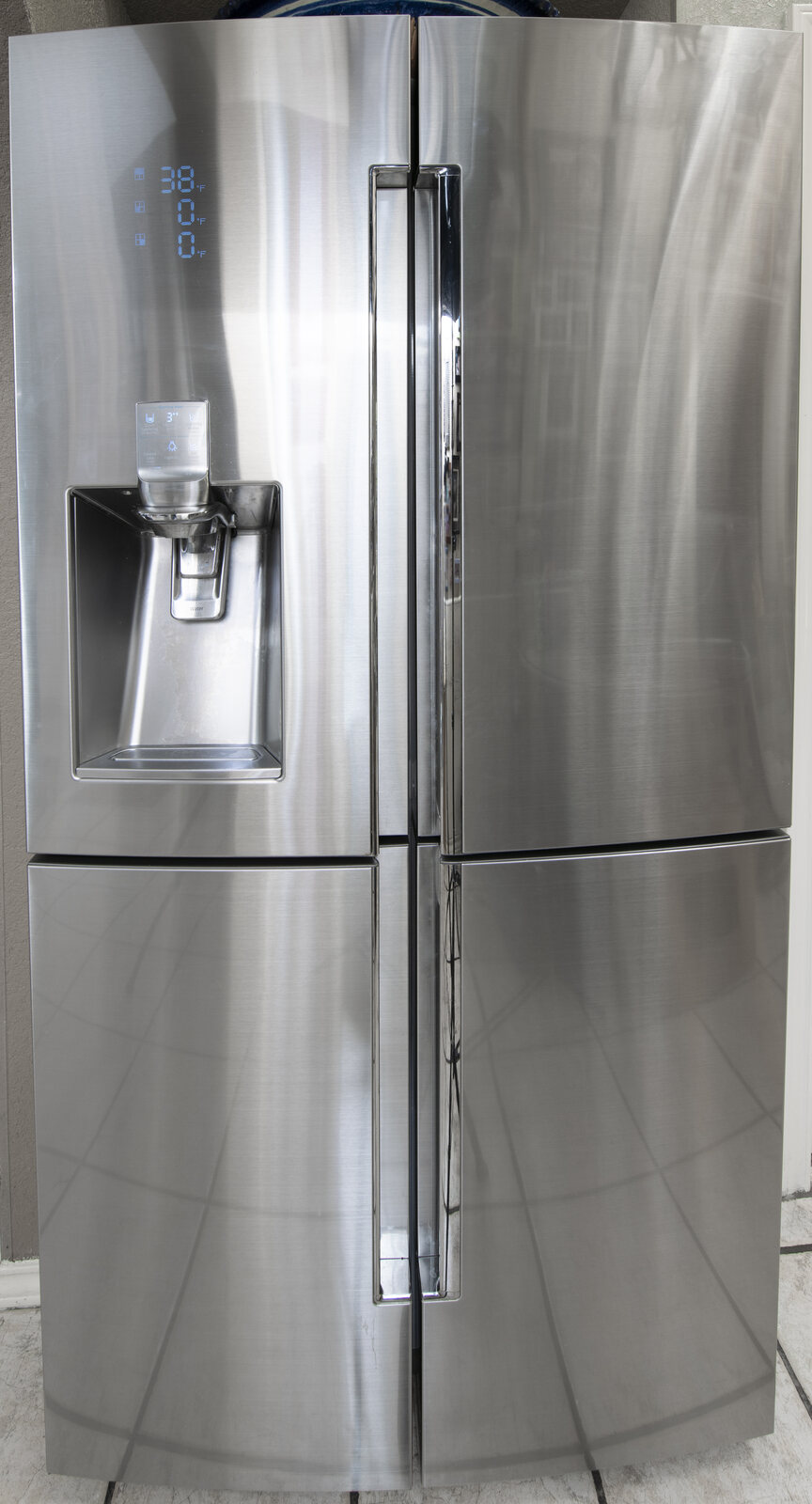
A numbered dial such as 1 through 5 does not necessarily report degrees Fahrenheit.
Actual temperature changes with:
- Room temperature
- Door opening
- Food load
- Air circulation
- Appliance condition
- Control setting
- Power interruptions
- Location inside the compartment
An independent thermometer shows whether the appliance is achieving a safe temperature.
What to look for
Correct range
The thermometer should clearly cover:
- 0°F for freezer monitoring
- 40°F for refrigerator monitoring
A wider range is fine, but the important markings should be readable.
Cold-temperature design
Choose a refrigerator/freezer appliance thermometer, not an outdoor thermometer or an oven-only thermometer.
USDA states that refrigerator/freezer thermometers are specially designed for accuracy at cold temperatures.[3]
Easy-to-read scale
Look for:
- Large numbers
- Clear pointer or display
- Marked safe zones
- Fahrenheit scale, or Fahrenheit and Celsius
- Good contrast
A thermometer nobody can read before the cold air escapes is decorative hardware.
Stable placement
Useful models can:
- Hang from a rack
- Stand on a shelf
- Clip securely
- Remain upright when the door opens
Do not place loose glass where it can break into food.
No unnecessary product promises
A basic thermometer can do the job.
Optional features include:
- Minimum and maximum memory
- High-temperature alarm
- Wireless display
- Data logging
- Multiple sensors
These features may be useful, but they create batteries, pairing, placement, and failure modes. They are not required for basic food-safety monitoring.
Digital or dial?
Both can be appropriate.
Dial or bimetallic-coil thermometer
Advantages:
- No battery
- Simple
- Inexpensive
- Continuous display
Limitations:
- May be slower to respond
- Small scales can be difficult to read
- Quality varies
Digital thermometer
Advantages:
- Easy-to-read display
- May include alarms
- May record minimum and maximum
Limitations:
- Requires a battery
- Display can fail
- Some models are not rated for freezer temperatures
- External probes and wires must be installed correctly
Do not assume digital means more accurate. Check the product specifications.
Do you need an exact promoted product?
No.
This article deliberately gives category-selection guidance rather than a brand ranking.
An exact product recommendation would require verified:
- Product identity
- Current model
- Temperature range
- Use instructions
- Availability
- Media rights
- Testing or evidence
- Recommendation basis
Without that evidence, naming a “best” thermometer would be manufactured certainty.
Where to place the refrigerator thermometer
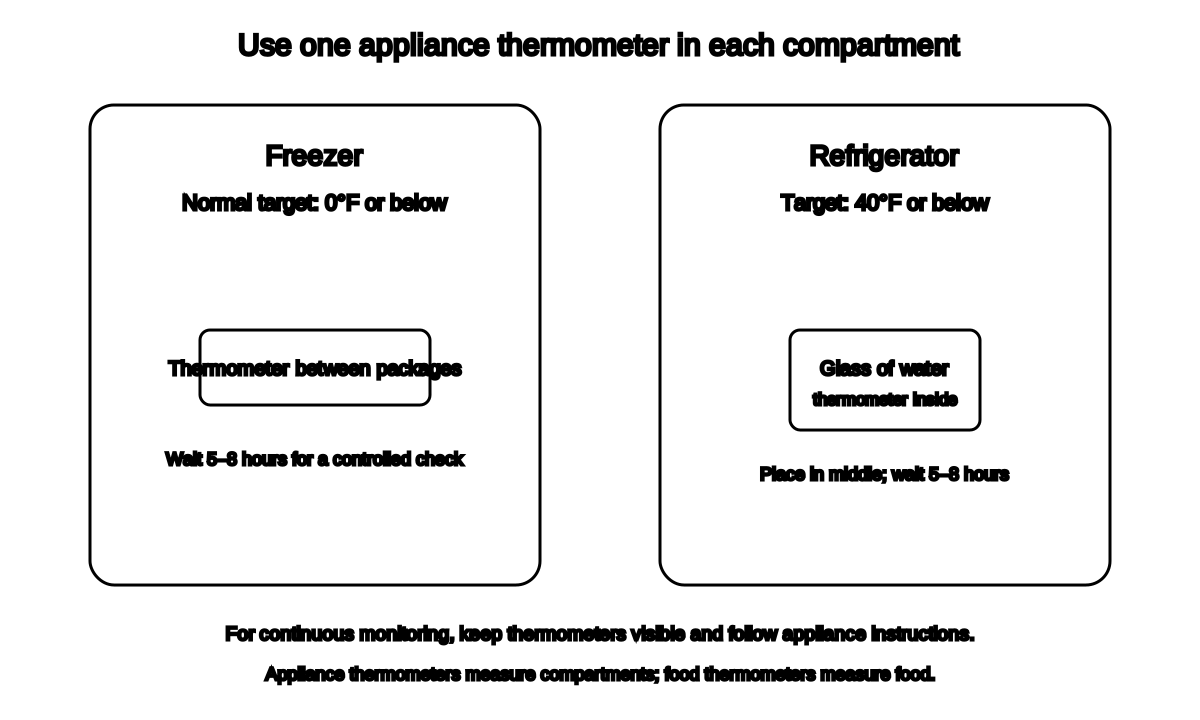
USDA describes a glass-of-water refrigerator check and a between-package freezer check, each read after five to eight hours.
For continuous monitoring:
- Put it in an easy-to-read location.
- Keep it away from direct contact with cooling vents.
- Avoid the door if the goal is representative compartment temperature.
- Follow the thermometer and appliance instructions.
FDA advises placing a refrigerator/freezer thermometer toward the front where it is easy to read.[4]
USDA describes a more controlled check:
- Put the thermometer in a glass of water.
- Place it in the middle of the refrigerator.
- Wait five to eight hours.
- Adjust if the reading is not about 38°F to 40°F.
- Wait and check again.[3]
The glass-of-water method measures a buffered temperature rather than every brief air change when the door opens.
Where to place the freezer thermometer
USDA advises placing the thermometer between frozen food packages and waiting five to eight hours for a controlled measurement.[3]
For continuous monitoring, keep it visible without preventing the door from closing.
The freezer should maintain 0°F or below for normal storage quality. During an outage, a reading of 40°F or below helps determine whether thawed food can be refrozen.[2][3]
How often should you check it?
FDA advises checking refrigerator/freezer thermometers regularly, at least weekly.[4]
Also check:
- After changing the control
- After a large grocery trip
- During very hot weather
- After a power outage
- After the door was left open
- When food is freezing in the refrigerator
- When food spoils unexpectedly
What if the refrigerator is above 40°F?
- Confirm the door closes and seals.
- Reduce overcrowding that blocks circulation.
- Check whether vents are blocked.
- Adjust the control according to the manual.
- Wait for the required stabilization period.
- Recheck.
- Call for service if it cannot maintain safe temperature.
Do not repeatedly turn the control to its coldest setting without allowing time to stabilize.
What if the freezer is above 0°F but below 40°F?
The freezer may not be maintaining ideal frozen-food quality, but outage food-safety decisions use the 40°F threshold and ice-crystal rule for refreezing.
Investigate the appliance. Frozen food storage should normally be at 0°F or below.[1][3]
Frequently asked questions
Can one thermometer serve both compartments?
You need to know both temperatures at the same time, especially during an outage. Keep one in each compartment.
Can I use a meat thermometer?
A food thermometer can check individual food packages. An appliance thermometer is designed to remain in the compartment and monitor air temperature.
Are built-in refrigerator displays enough?
They can help, but an independent thermometer provides a separate check and remains useful when diagnosing a fault or outage.
Does the thermometer need Wi-Fi?
No. A basic dial or digital appliance thermometer can monitor safe temperatures without an app.
Where should I buy one?
FDA states they are commonly sold in housewares sections of department, appliance, culinary, and grocery stores.[4] Verify the temperature range and intended use rather than buying by packaging adjectives.
Related power-outage food-safety guides
- Use the refrigerator outage timeline
- Use the freezer outage timeline
- Open the printable food-safety chart
Source notes
- Refrigerator Thermometers—Cold Facts about Food SafetyU.S. Food and Drug Administration
- Food and Water Safety During Power Outages and FloodsU.S. Food and Drug Administration
- Appliance ThermometersUSDA Food Safety and Inspection Service
- Are You Storing Food Safely?U.S. Food and Drug Administration
- Refrigeration & Food SafetyUSDA Food Safety and Inspection Service
See something wrong or out of date? Report a correction.