
How Long Is Food Safe in the Refrigerator Without Power?
Four hours is the basic refrigerator window when the door stays closed. After that, discard refrigerated perishables such as meat, poultry, seafood, milk, eggs, soft cheese, deli food, and leftovers unless they were transferred in time to a cooler that stayed at 40°F or below.
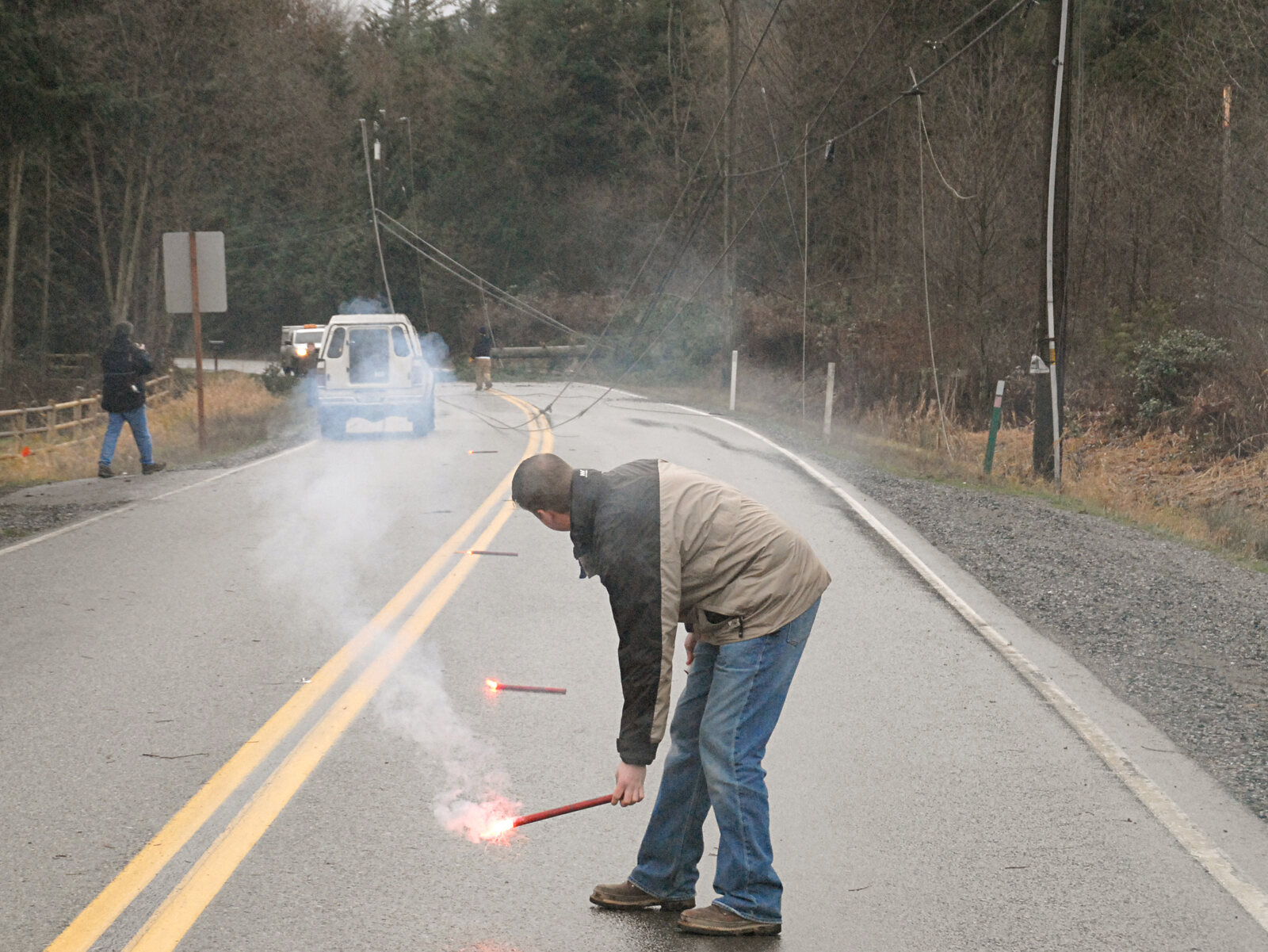

An unopened refrigerator will keep food safely cold for about four hours during a power outage. Keep the door closed.
If the outage will last longer than four hours, move refrigerated perishable food to a cooler with enough ice or frozen gel packs to keep it at 40°F or below. If you cannot keep it cold, discard it.
Quick answer: Four hours is the basic refrigerator window when the door stays closed. After that, discard refrigerated perishables such as meat, poultry, seafood, milk, eggs, soft cheese, deli food, and leftovers unless they were transferred in time to a cooler that stayed at 40°F or below.
The four-hour rule
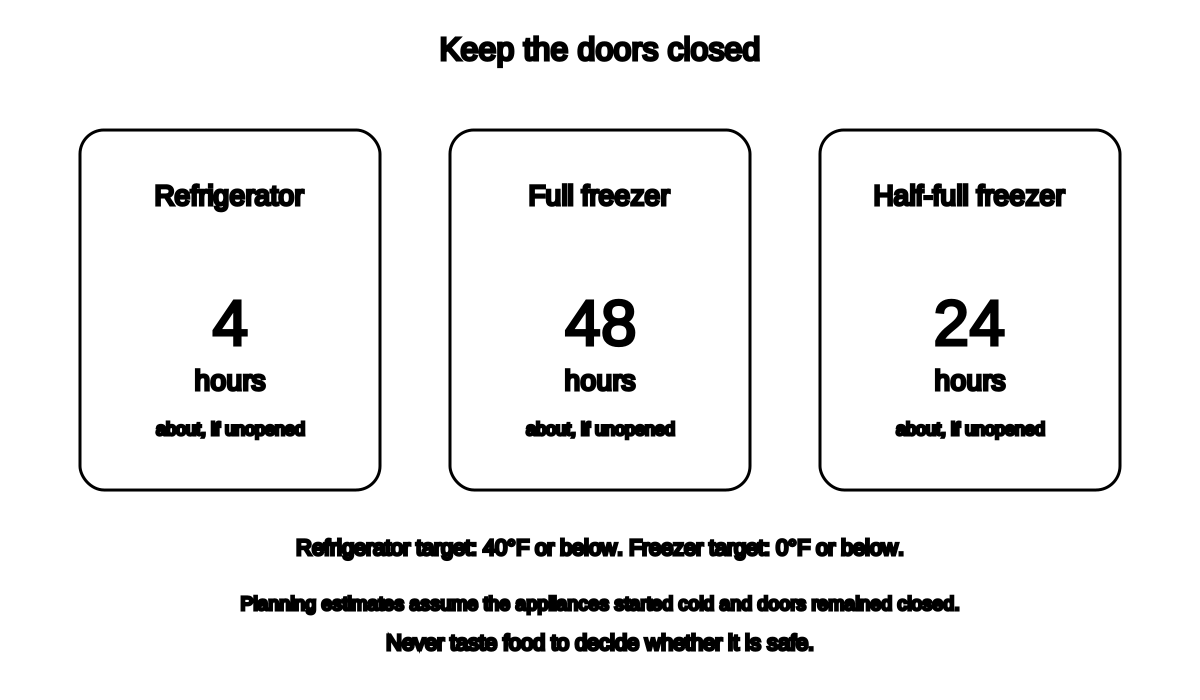
Approximate household planning limits when appliances start cold and doors remain closed.
FoodSafety.gov, FDA, USDA, and CDC give the same basic guidance:
- Keep the refrigerator door closed.
- The refrigerator will keep food cold for about four hours if unopened.
- After four hours without power, refrigerated perishable foods need another verified cold source or should be discarded.[1][2][3][4]
The four-hour estimate assumes the refrigerator was operating properly before the outage and the door remained closed as much as possible.
Opening the door repeatedly releases cold air and shortens the useful window.
What counts as perishable food?
Refrigerated perishables include foods such as:
- Raw or cooked meat
- Poultry
- Seafood
- Milk
- Eggs
- Soft cheese
- Deli meat
- Hot dogs
- Opened refrigerated meat or fish
- Leftovers
- Cooked rice, pasta, and potatoes
- Cut melons
- Cut leafy greens
- Cream-filled pastries
- Custard or cream pies
- Cooked vegetables
- Foods labeled “Keep Refrigerated”
This is not a complete list. Use the USDA refrigerator-food chart for item-specific decisions.[5]
What should you do during the first four hours?
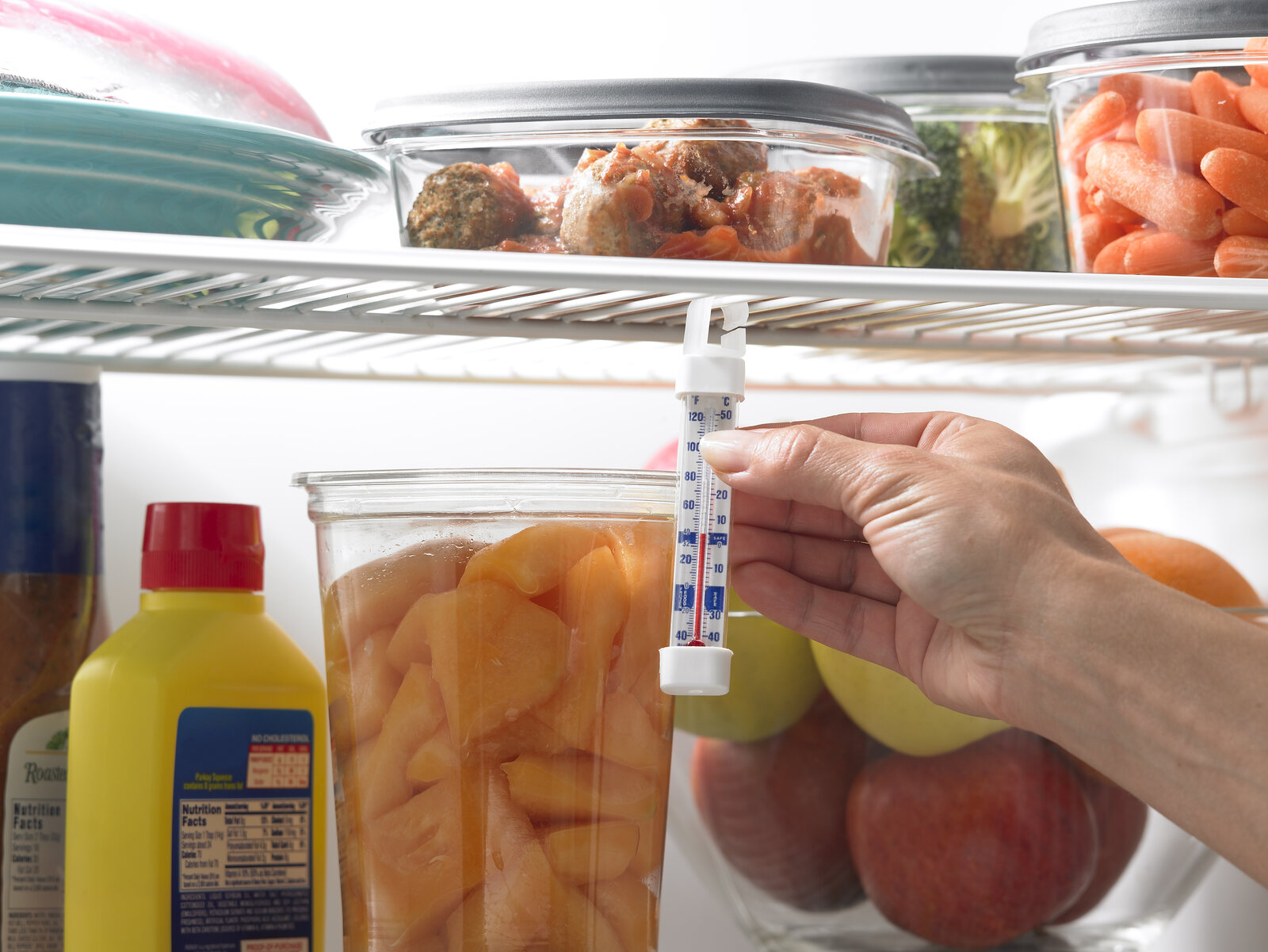
.jpg)
Keep the doors closed
Do not open the refrigerator to “check whether it still feels cold.” Every opening replaces cold air with warmer room air.
Make a written list from memory if you need to decide what to move later.
Record the outage start time
Write down the time the power failed.
Do not assume you will remember it precisely several stressful hours later, when the weather is unpleasant and every appliance has begun making accusatory silence.
Check whether you already have a thermometer
An appliance thermometer inside the refrigerator can help show whether the compartment remains at or below 40°F.
Do not keep opening the door to watch it. Read it only when you need to make a decision or after power returns.
Prepare a cooler before the deadline
If the outage is expected to exceed four hours:
- Get a clean insulated cooler.
- Add ice, block ice, or frozen gel packs.
- Transfer perishable food before it warms.
- Keep the cooler at 40°F or below.
- Put a thermometer in the cooler when possible.
- Drain meltwater if needed without leaving food warm.
A cooler does not make food safe merely because ice is visible. The food must remain at 40°F or below.
The four-hour clock and the two-hour temperature rule are different
These rules answer different questions.
Four-hour appliance rule
An unopened refrigerator is expected to keep food safe for about four hours after power loss.
Two-hour temperature rule
Perishable food that has been above 40°F for more than two hours should be discarded. If the surrounding air temperature is above 90°F, the general limit for perishable food outside safe temperature control is one hour.[2][6]
The outage does not necessarily make the food exceed 40°F immediately. That is why an appliance thermometer and a food thermometer are useful.
Do not turn the rules into permission to stack them into a six-hour guess. If you do not know how long the food was warm, throw it out.
What if the power returns within four hours?
If the refrigerator stayed closed and the outage lasted no more than four hours, the food should generally remain safe.[1][3]
Check:
- Whether the refrigerator was cold before the outage
- Whether the door stayed closed
- Whether a thermometer remained at or below 40°F
- Whether any food was already left out before the outage
- Whether the refrigerator had a separate mechanical problem
Food that was already unsafe before the power failed does not receive four bonus hours.
What if the refrigerator thermometer reads above 40°F?
You need to know how long the food was above 40°F.
Discard perishable food if it was above 40°F for more than two hours. If you cannot determine the time, use the conservative decision and discard it.[3][7]
Never taste food to decide whether it is safe. Harmful bacteria may not change the smell, appearance, or taste.
Foods that may not require refrigeration
Some foods may remain usable after the refrigerator warms, depending on their condition and the item-specific USDA chart.
Examples can include:
- Whole, uncut fruits and vegetables
- Butter and margarine
- Hard cheeses
- Bread, rolls, and muffins without cream fillings
- Fruit pies
- Peanut butter
- Mustard, ketchup, pickles, relish, and many high-acid condiments
- Flour and nuts
“May remain usable” is not permission to ignore mold, contamination, damaged packaging, or label instructions.
Should you put food outside in winter?
No.
USDA warns against placing perishable food outdoors in snow because outdoor temperatures change, sunlight can warm food, and animals or unsanitary conditions can contaminate it.[3][8]
Instead, freeze water outside in clean containers and use the ice inside a refrigerator, freezer, or cooler.
Can cooking rescue food that got too warm?
No reliable cooking step reverses unsafe temperature history.
FDA warns that perishable foods not kept adequately refrigerated or frozen may cause illness even when thoroughly cooked.[2]
If the food exceeded safe time and temperature limits, discard it.
What if the outage is caused by flooding?
Food exposed to floodwater is a separate contamination problem.
Do not rely on refrigeration rules alone. FDA and USDA provide additional flood-specific guidance for food, containers, water, and cleanup.[2][3]
Before the next outage
Keep these items ready:
- Appliance thermometer for the refrigerator
- Appliance thermometer for the freezer
- Insulated cooler
- Frozen gel packs
- Frozen containers of water
- Shelf-stable food
- Manual can opener
- Written outage checklist
The companion Power Outage Food Safety Chart condenses the decisions into a printable guide.
Frequently asked questions
Is milk safe after four hours without power?
Discard refrigerated milk after an outage longer than four hours unless it was kept at 40°F or below in a refrigerator or cooler.
Are eggs safe after four hours?
Refrigerated shell eggs and egg products are perishable. Discard them after the four-hour refrigerator window unless they remained at 40°F or below.
What if the refrigerator still feels cool?
Touch is not a reliable temperature measurement. Use an appliance or food thermometer.
Can I keep leftovers if they smell normal?
No. Smell cannot establish safety. Discard leftovers when the time and temperature rules require it.
Does a new, well-insulated refrigerator keep food safe longer?
It may hold cold differently, but federal public-health guidance still uses the four-hour unopened-refrigerator rule for household decisions.
Related power-outage food-safety guides
- Check which foods to throw away
- Choose and place appliance thermometers
- Open the printable food-safety chart
- Use the freezer outage timeline
Source notes
- Avoid Foodborne Illness During Temporary Power OutagesFoodSafety.gov
- Food and Water Safety During Power Outages and FloodsU.S. Food and Drug Administration
- Keep Your Food Safe During Emergencies: Power Outages, Floods & FiresUSDA Food Safety and Inspection Service
- What to Do to Protect Yourself During a Power OutageCenters for Disease Control and Prevention
- Keeping Food Safe During an EmergencyUSDA Food Safety and Inspection Service
- Are You Storing Food Safely?U.S. Food and Drug Administration
- Refrigeration & Food SafetyUSDA Food Safety and Inspection Service
- Freezing and Food SafetyUSDA Food Safety and Inspection Service
See something wrong or out of date? Report a correction.