
Air Purifier vs. HVAC Filter: Which Do You Need?
Use a portable air cleaner when one room needs concentrated particle filtration or the home lacks central ducts. Upgrade the HVAC filter when the central system supports it and whole-home recirculated-air filtration is useful. Some households benefit from both.

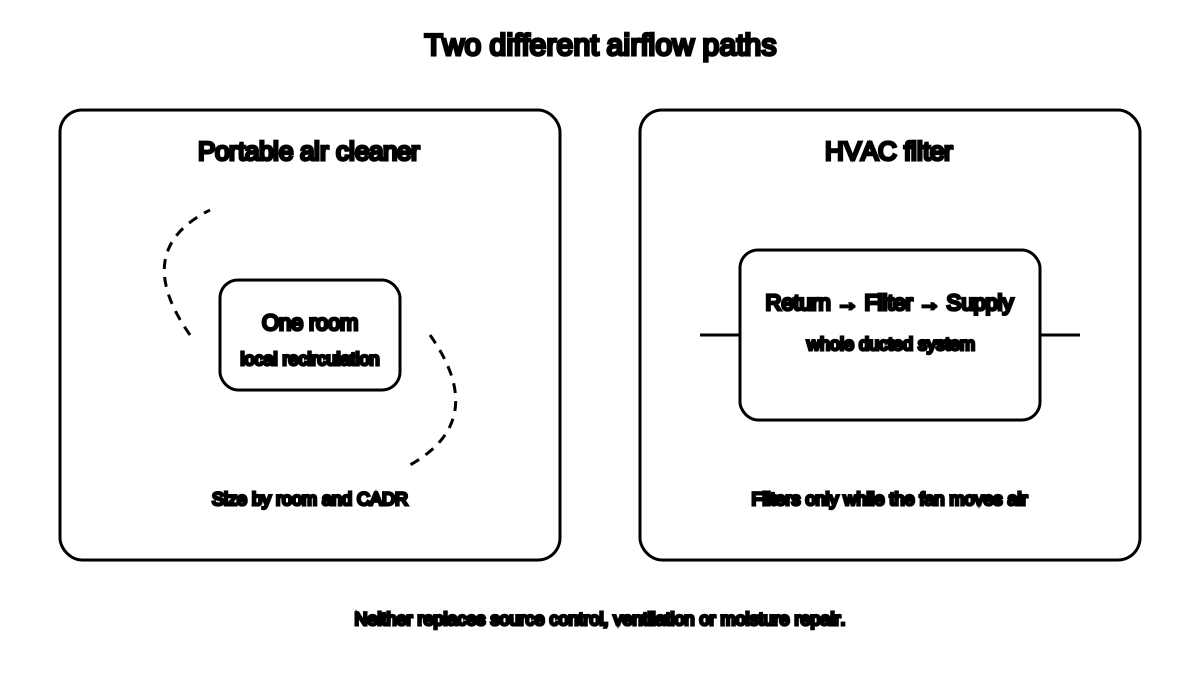
A portable air cleaner and an HVAC filter do related but different jobs.
- A portable air cleaner treats the room or area where it operates.
- A central HVAC filter treats air passing through the ducted system while the fan runs.
Neither should replace source control or ventilation with clean outdoor air.
Quick answer: Use a portable air cleaner when one room needs concentrated particle filtration or the home lacks central ducts. Upgrade the HVAC filter when the central system supports it and whole-home recirculated-air filtration is useful. Some households benefit from both.
The portable-air-cleaner path
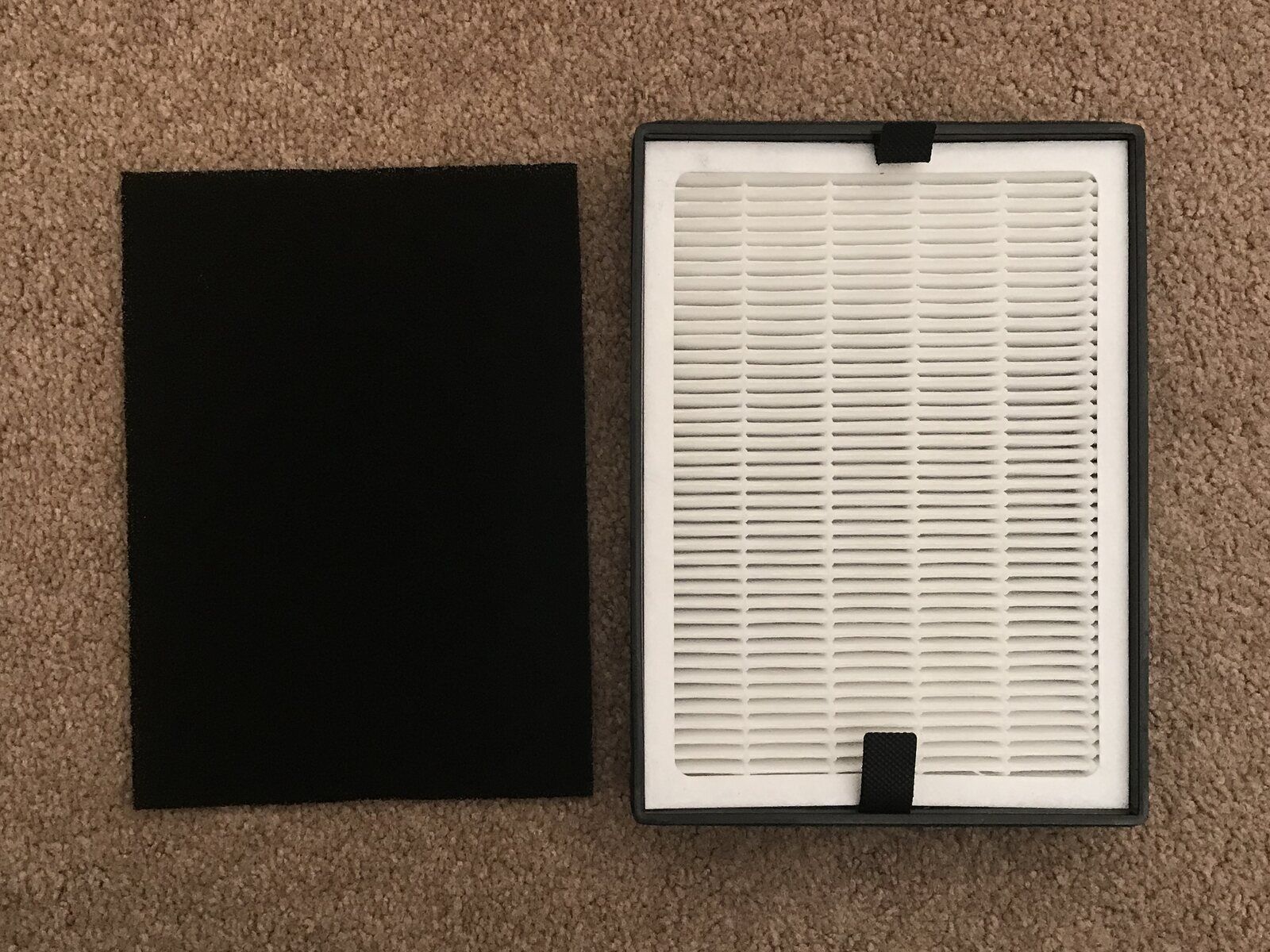

A portable unit:
- Pulls room air through an inlet.
- Passes it through filter media.
- Returns filtered air to the room.
Performance depends on:
- Clean Air Delivery Rate
- Room size
- Ceiling height
- Fan speed
- Filter condition
- Placement
- Door position
- Pollutant type
- Runtime
Portable units are designed for one room or area, not an entire home through walls and closed doors.
The HVAC-filter path
A central filter:
- Receives return air.
- Captures particles as air passes through the filter.
- Sends conditioned air through supply ducts.
It operates only when the system fan moves air.
EPA notes that residential HVAC systems often run less than one-quarter of the time during heating and cooling seasons. More fan runtime can increase filtration but also increase electricity use and may worsen humidity control during cooling season.[1]
When a portable unit is the stronger first choice

- One bedroom needs filtration.
- Wildfire smoke requires a clean room.
- The home lacks central HVAC.
- The central system cannot accept a higher-efficiency filter.
- A renter cannot modify the HVAC filter.
- Noise and filter cost are acceptable.
- Doors can remain closed enough to define the treated area.
Size the unit correctly. A small cleaner on maximum marketing optimism does not become a whole-house system.
When an HVAC filter is the stronger first choice
- The home has a ducted forced-air system.
- The fan and slot accept MERV 13 or another suitable rating.
- Pollutants are distributed through the building.
- The household already maintains the central system.
- The return and supply system serve the rooms that matter.
- Filter bypass and duct leakage are controlled.
Central filtration does not reach rooms disconnected from the duct system.
When both make sense
A household may use:
- MERV 13 in a compatible HVAC system
- Portable air cleaner in a bedroom
- Additional unit in a smoke-clean room
- Exhaust and source control in kitchen or workshop
- Moisture control in basement
The devices can complement one another.
Do not assume stacking every filtration product produces proportionate improvement.
What neither one fixes
Neither a portable cleaner nor HVAC filter repairs:
- Water leak
- Active mold growth
- Radon
- Carbon monoxide
- Gas leak
- Combustion backdraft
- Continuing indoor smoking
- Unvented appliance
- Hazardous chemical source
- Severe dust-producing renovation
EPA states that source reduction and ventilation with clean outdoor air are the most effective general indoor-air strategies, with filtration as a supplement.[2]
Particles versus gases
Most residential furnace filters focus on particles.
Portable air cleaners may use:
- Particle filter
- Activated carbon
- Other gas media
- Electrostatic collection
- Ultraviolet feature
- Ionization
A carbon layer does not guarantee meaningful removal of every VOC or odor.
Gas-removal performance depends on:
- Media type
- Media mass
- Contact time
- Pollutant
- Concentration
- Saturation
- Replacement schedule
Do not use vague “odor” or “toxin” claims as evidence.
Smoke scenario
For smoke particles:
- Reduce outdoor infiltration when advised.
- Use a compatible MERV 13 HVAC filter.
- Use a portable unit with adequate smoke CADR.
- Run it continuously at the highest tolerable speed.
- Inspect filters.
- Avoid indoor smoke sources.
A purifier cannot supply oxygen, remove carbon monoxide, or make a dangerous fire environment safe.
Allergy and pet scenario
A portable unit may reduce airborne particles in the room.
An HVAC filter may reduce particles circulated through the system.
Also use:
- Source cleaning
- Bedding washing
- HEPA vacuuming where appropriate
- Pet-area management
- Moisture control
- Professional medical advice for symptoms
No air-cleaner article should promise treatment or prevention of disease.
Ownership cost
Compare:
Portable unit
- Purchase
- Electricity
- Replacement filters
- Prefilter care
- Noise
- Floor space
HVAC filter
- Filter price
- Replacement interval
- Fan electricity
- System compatibility
- Professional modification
- Potential airflow impact
Use the Appliance Electricity Cost Calculator for measured or rated power.
Decision table
| Household need | Better starting point |
|---|---|
| One bedroom | Portable air cleaner |
| Whole ducted home | Compatible HVAC filter |
| Wildfire clean room | Both may help |
| No central system | Portable air cleaner |
| Active mold growth | Moisture repair first |
| Radon | Radon test and mitigation |
| Carbon monoxide | Alarm and emergency response |
| Strong chemical source | Source removal and ventilation |
Frequently asked questions
Can one purifier clean the whole house?
Not reliably when rooms are separated or doors are closed. Use room-size and CADR guidance.
Is a high-MERV filter better than a purifier?
They serve different airflow paths.
Should I run the HVAC fan continuously?
It can increase filtration but also electricity use and humidity-control problems. Follow system guidance.
Do I need both during wildfire smoke?
A compatible central filter plus a correctly sized clean-room purifier can be useful.
Do air cleaners remove mold?
They may reduce some airborne particles. They do not repair moisture or remove mold growth from materials.
Printable companion
Download the ungated HVAC Filter Log PDF. No email address is required.
Related guides
- What MERV Rating Should You Use in Your House?
- How Often Should You Change Your HVAC Filter?
- What Size Air Purifier Do You Need?
- How Much Does an Air Purifier Cost to Run?
- What Can an Air Purifier Remove?
- What Humidity Should Your House Be?
- Home Energy Check for a High Summer Electric Bill
- Why Is My Electric Bill So High in Summer?
- How to Calculate What an Appliance Costs to Run
Source notes
See something wrong or out of date? Report a correction.