
Dehumidifier vs. Air Conditioner: Which Do You Need?
Use air conditioning when the room is too hot. Use a dehumidifier when temperature is acceptable but RH remains high. Use both only after checking moisture sources, HVAC operation, sizing, and the extra heat the dehumidifier adds indoors.
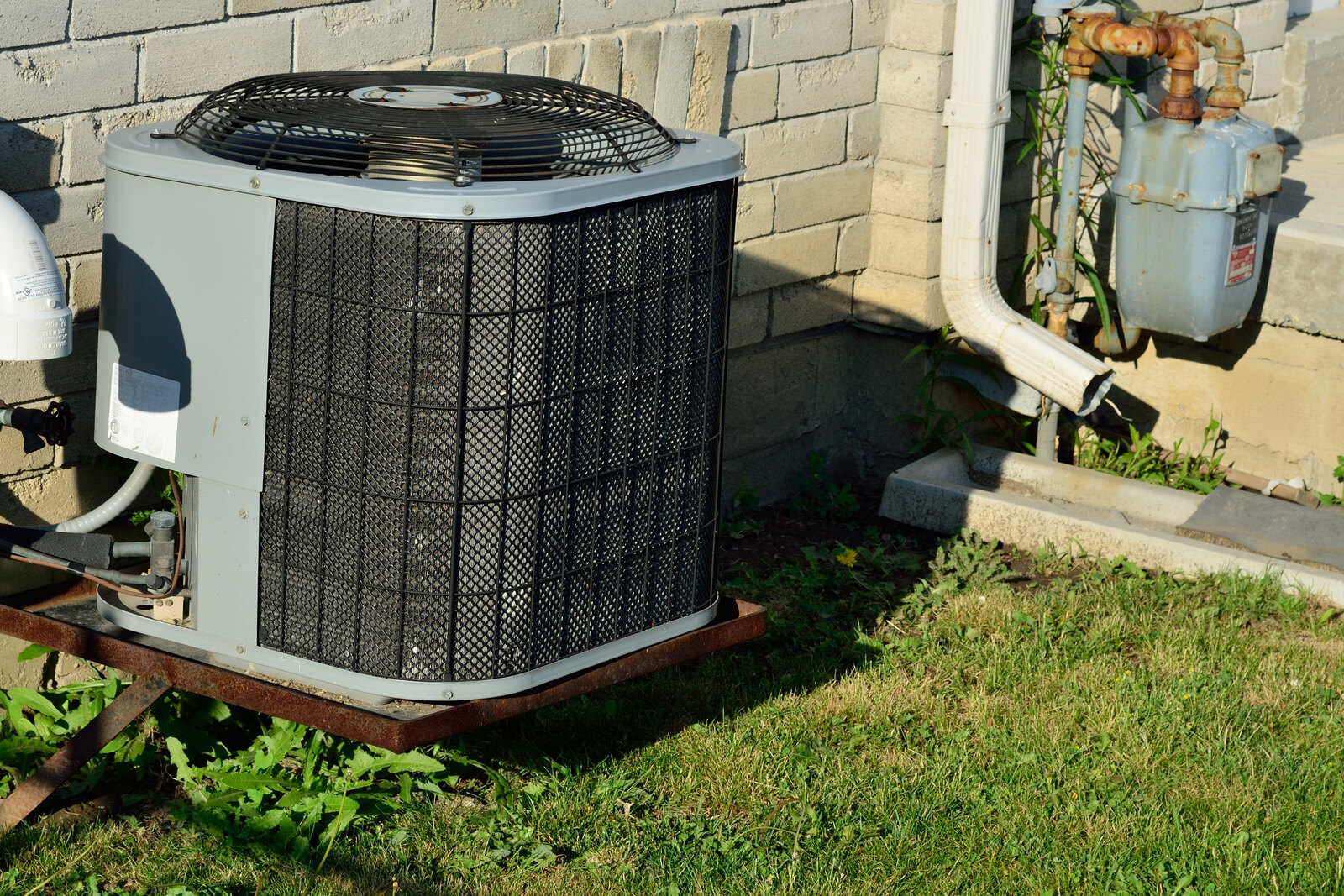

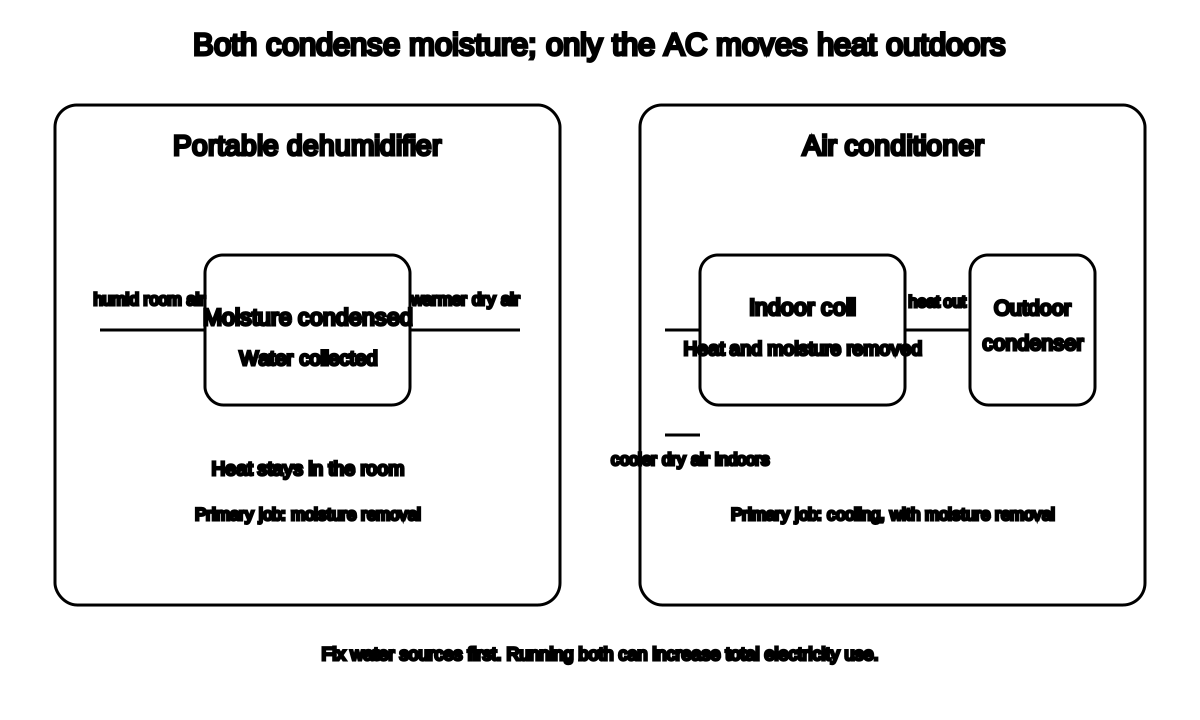
An air conditioner and a dehumidifier both condense moisture from indoor air, but they do different jobs.
- An air conditioner moves heat outdoors and also removes some moisture.
- A dehumidifier removes moisture but returns the heat from its refrigeration cycle and electrical use to the room.
Quick answer: Use air conditioning when the room is too hot. Use a dehumidifier when temperature is acceptable but RH remains high. Use both only after checking moisture sources, HVAC operation, sizing, and the extra heat the dehumidifier adds indoors.
What an air conditioner does
An air conditioner:
- Pulls indoor air across a cold evaporator coil.
- Removes heat from the air.
- Condenses some water vapor.
- Moves the absorbed heat outdoors through a condenser.
- Returns cooler, drier air indoors.
Its primary purpose is cooling.
Moisture removal is an important secondary effect.
What a dehumidifier does
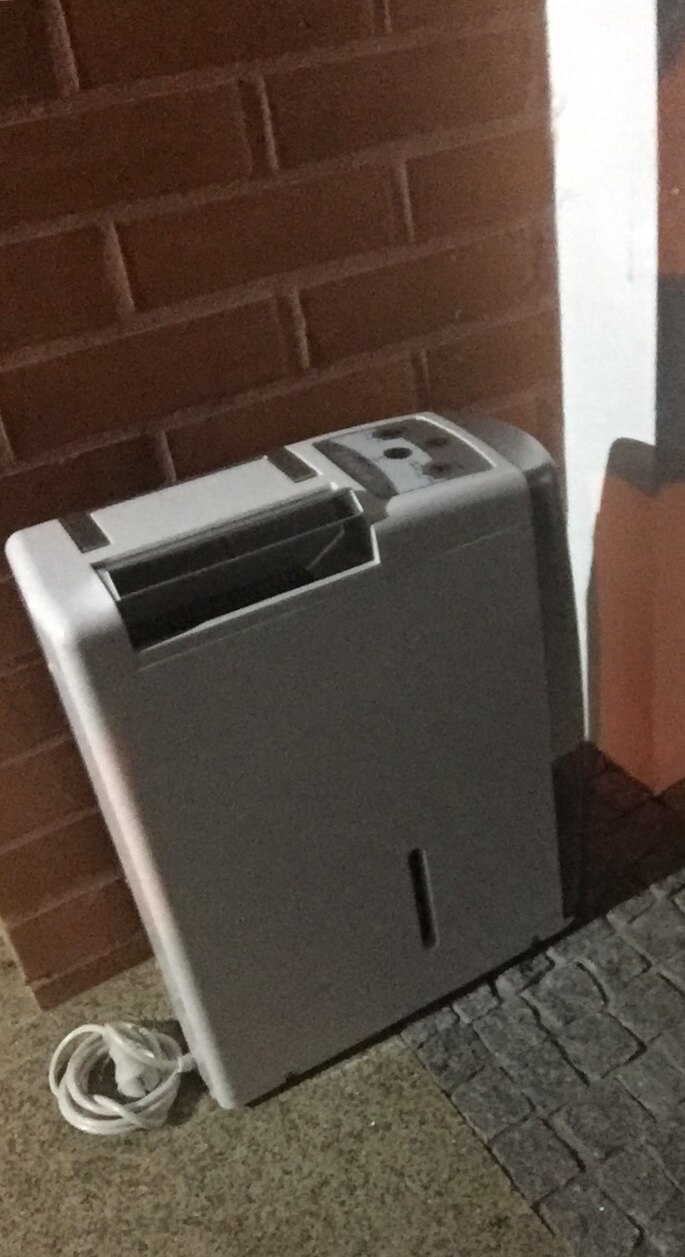

A portable refrigeration dehumidifier:
- Pulls room air across a cold coil.
- Condenses water vapor.
- Passes the air across a warm condenser coil.
- Returns warmer, drier air to the same room.
- Collects or drains the condensate.
Because both the removed latent heat and the appliance’s electrical energy remain indoors, discharge air feels warmer.
That is normal operation, not evidence the appliance is secretly an air conditioner with low self-esteem.
Main comparison
| Question | Air conditioner | Dehumidifier |
|---|---|---|
| Lowers room temperature | Yes | No; normally adds heat |
| Removes moisture | Yes, while cooling | Yes, primary purpose |
| Sends heat outdoors | Yes | No, for a portable unit |
| Best for hot room | Yes | Not by itself |
| Best for cool damp basement | Often no | Often yes, if rated for temperature |
| Can control RH without much cooling | Limited | Yes |
| May need drain | Yes | Yes |
| Can be portable or whole-home | Yes | Yes |
Use an air conditioner when
Choose air conditioning when:
- Indoor temperature is too high
- Heat safety matters
- The home needs both cooling and moisture removal
- Outdoor heat is entering through windows or walls
- Several occupied rooms need cooling
- A window, room, portable, central, or heat-pump system is appropriate
Do not rely on a dehumidifier as a cooling appliance.
The air leaving it may feel briefly cool at one grille, but the net effect on the room is warming.
Use a dehumidifier when
Choose a dehumidifier when:
- RH remains above the practical target
- Temperature is already comfortable
- A basement is cool and damp
- Air conditioning is not running much
- Mild rainy weather produces humidity without high heat
- Laundry or a temporary moisture load raises RH
- The HVAC system controls temperature but not humidity adequately
- One room needs targeted moisture control
Fix leaks and water entry first.
When air conditioning is not dehumidifying enough
Possible reasons include:
- System is oversized and short-cycles
- Thermostat reaches temperature before enough moisture is removed
- Weather is mild but humid
- Fan runs continuously
- Duct leakage introduces humid air
- Outdoor air enters through leaks
- Doors or windows are open
- Drainage or coil condition is poor
- Building moisture load is high
- Equipment is malfunctioning
Do not assume the air conditioner needs a lower temperature setting.
Overcooling can waste energy and create comfort or condensation problems.
Use qualified HVAC help for system sizing, refrigerant, airflow, duct, or controls.
Oversized air conditioners and humidity
An oversized system may cool the room quickly and shut off before operating long enough to remove adequate moisture.
Symptoms can include:
- Cool but clammy room
- Short cycles
- RH remains high
- Temperature changes quickly
- Humidity returns between cycles
This is not repaired by adding random portable units without understanding the system.
A qualified contractor can evaluate:
- Equipment size
- Airflow
- blower settings
- Runtime
- Duct condition
- Latent performance
- Control strategy
Portable air conditioner versus dehumidifier
A portable air conditioner exhausts heat through a hose or other approved connection.
A portable dehumidifier does not normally exhaust heat outdoors.
A portable AC may also have:
- Cooling mode
- Dry mode
- Fan mode
- Condensate tank
- Drain hose
“Dry mode” behavior varies by product.
It may:
- Reduce cooling
- Cycle compressor differently
- Run fan at lower speed
- Require drainage
- Still add or remove heat depending on product configuration
Follow the exact manual.
Do not assume dry mode equals a standalone dehumidifier.
Window AC versus dehumidifier
A window air conditioner places the hot side outdoors.
It can cool and dehumidify one room.
A portable dehumidifier in the same room may:
- Lower RH further
- Add heat
- Increase total electricity use
- Make the AC run longer
Use both only when measurements show the need.
Central AC plus whole-home dehumidifier
A whole-home dehumidifier may make sense when:
- RH remains above 55% throughout much of the home
- The home has central ducts
- The building is relatively well sealed
- Portable units are impractical
- Mild humid weather causes problems
- HVAC sizing and airflow have been evaluated
ENERGY STAR says whole-home dehumidifiers should be sized and installed properly and can help well-sealed homes with central air that remain humid.[1]
This is professional equipment, not a plug-and-forget floor appliance.
Cost comparison
Compare energy from:
- Air-conditioner annual kWh or measured use
- Dehumidifier annual kWh or measured use
- Combined operation
- Local rate
For a hypothetical 500-watt dehumidifier running eight full-power hours:
0.5 \times 8 = 4 kWhAt $0.1844 per kWh:
4 \times \$0.1844 = \$0.7376About 74 cents.
If the dehumidifier adds heat that the AC then removes, total cost can exceed the sum suggested by simple separate estimates because runtime may change.
Measure the actual combination when the cost matters.
Comfort versus temperature
High humidity can make a warm room feel more uncomfortable because sweat evaporates less effectively.
Lowering RH can improve comfort without a large temperature change.
But during dangerous heat, humidity control is not a substitute for adequate cooling and heat-safety guidance.
Moisture-source hierarchy
Before choosing equipment:
- Stop active water entry.
- Repair plumbing leaks.
- Vent showers and cooking.
- Vent the dryer outdoors.
- Dry wet materials within 24-48 hours.
- Improve drainage and grading.
- Seal inappropriate humid-air entry.
- Verify HVAC drainage and operation.
- Measure RH and temperature.
- Add dehumidification when the moisture load remains.
Equipment should manage residual moisture, not conceal a building failure.
Dehumidifier or ventilation?
Ventilation can reduce indoor humidity when outdoor air is drier.
It can worsen humidity when outdoor air is hot and humid.
Check:
- Outdoor dew point
- Outdoor RH and temperature
- Indoor temperature
- Weather
- Air quality
- Security
- Building design
Opening basement windows on a humid summer day can increase condensation on cool surfaces.
Decision table
| Condition | Better starting response |
|---|---|
| Hot and humid occupied room | Air conditioning |
| Cool damp basement | Dehumidifier rated for temperature |
| Comfortable temperature, RH above 60% | Source control plus dehumidifier |
| Whole home cool but clammy | HVAC evaluation; possible whole-home dehumidification |
| Active leak or seepage | Repair and dry first |
| One brief shower-related spike | Exhaust ventilation |
| Extreme heat | Cooling and heat safety first |
| Condensation only on one cold surface | Investigate insulation, air leakage, and surface temperature |
Frequently asked questions
Does a dehumidifier cool a room?
No. A portable refrigeration dehumidifier usually warms the room overall.
Does an air conditioner remove humidity?
Yes, while it cools and condenses moisture on the indoor coil.
Can I run both at the same time?
Yes, but total energy use and AC load may rise. Use measurements and source control.
Is AC dry mode cheaper?
It depends on the exact product, controls, weather, and runtime. Check the manual and measured energy.
Which is better for a basement?
A dehumidifier is often better when the basement is damp but not hot. Use a low-temperature-rated model where needed.
Related guides
- What Humidity Should Your House Be?
- How Much Does a Dehumidifier Cost to Run?
- Calculate portable AC cost
- Diagnose a high summer electric bill
- See when turning the AC off saves money
- Home Humidity and Dehumidifier Checklist
Source notes
- DehumidifiersENERGY STAR
- Consumer DehumidifiersU.S. Department of Energy
- Portable Air ConditionersU.S. Department of Energy
- Care for Your AirU.S. Environmental Protection Agency
- Biological Contaminants and Indoor Air QualityU.S. Environmental Protection Agency
See something wrong or out of date? Report a correction.