
What Humidity Should Your House Be?
Aim for 30% to 50% in most occupied rooms. Treat repeated readings above 60% as a moisture problem to investigate. In cold weather, lower the target enough to stop condensation without making the home unnecessarily dry.
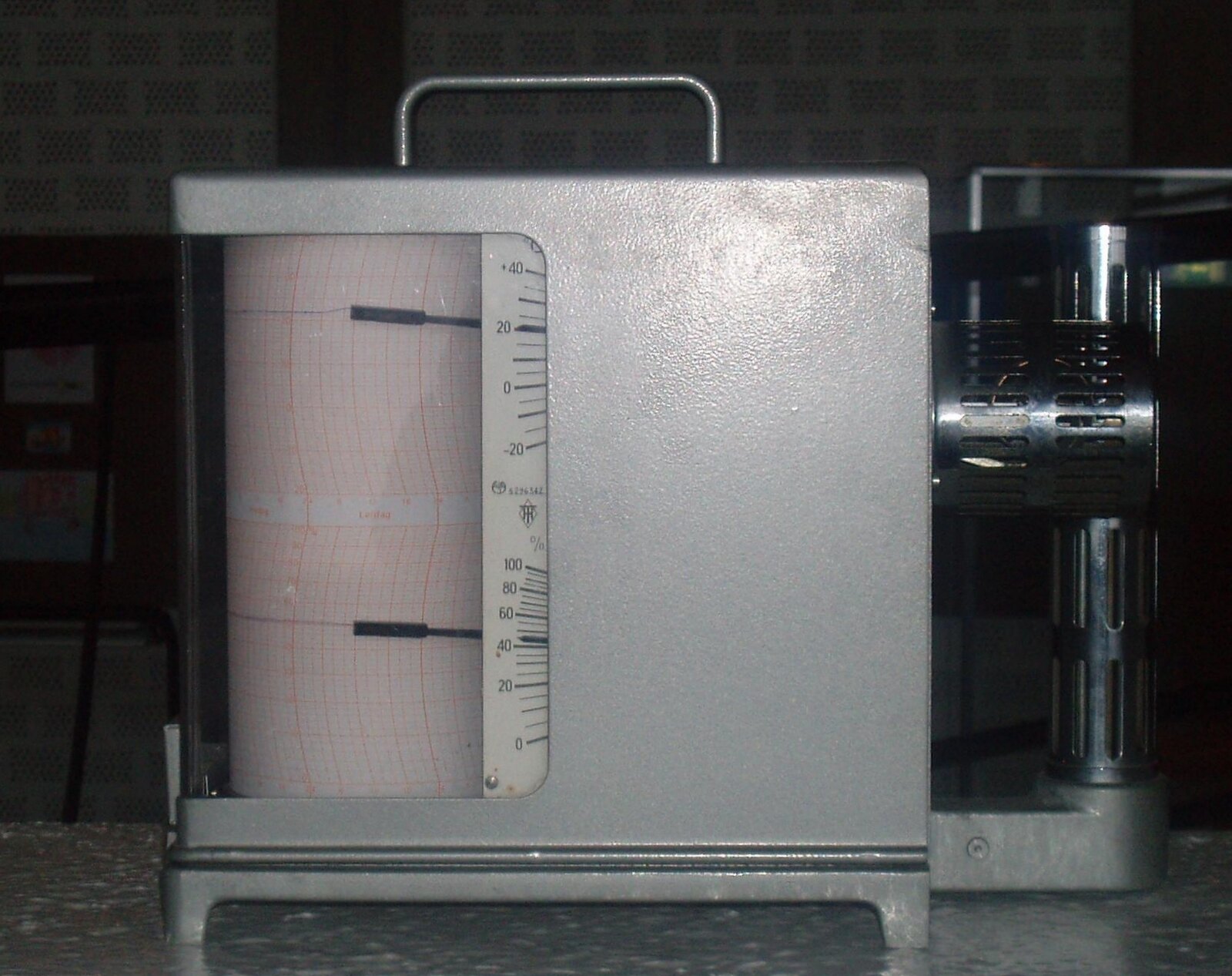

A practical general target for indoor relative humidity is 30% to 50%.
EPA recommends keeping indoor humidity below 60% and ideally between 30% and 50% to reduce conditions that support mold and other biological contaminants.[1][2]
ENERGY STAR also describes 30% to 50% as an optimum building range. During heating season in colder climates, it suggests roughly 30% to 40% to reduce window condensation.[3]
Quick answer: Aim for 30% to 50% in most occupied rooms. Treat repeated readings above 60% as a moisture problem to investigate. In cold weather, lower the target enough to stop condensation without making the home unnecessarily dry.
Relative humidity changes with temperature
Relative humidity, or RH, is the amount of water vapor in the air compared with the maximum the air could hold at that temperature.
Warm air can hold more water vapor than cold air.
That means:
- Heating air can lower its relative humidity even when no water is removed.
- Cooling air can raise relative humidity even when the amount of water vapor stays the same.
- A basement may read higher than an upstairs room.
- A cold wall can develop condensation even when the room average appears acceptable.
- One reading does not describe the entire home.
Record both temperature and RH when possible.
A useful decision range
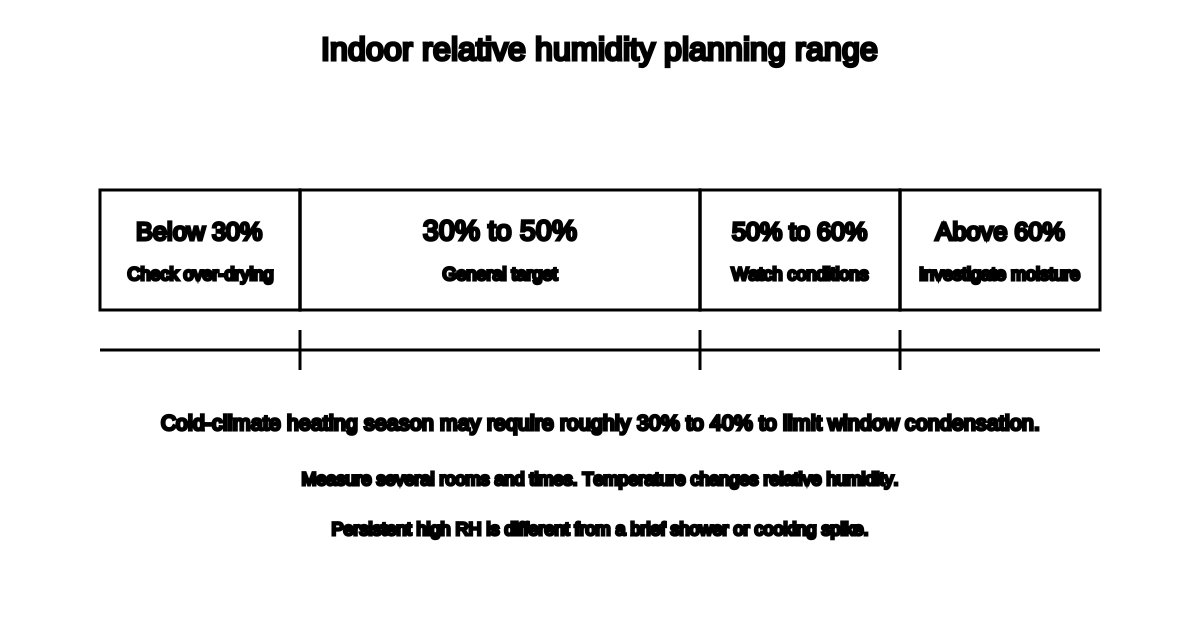
| Indoor RH | Practical interpretation |
|---|---|
| Below 30% | Below the usual EPA target; investigate whether the home is being over-dried |
| 30% to 50% | General target range |
| 50% to 60% | Watch for persistent dampness, condensation, musty odor, or room-specific problems |
| Above 60% | Moisture-control problem should be investigated |
| Above 75% | Very damp condition under ENERGY STAR dehumidifier-sizing guidance |
| 90% or more | Wet or severe moisture condition under ENERGY STAR sizing guidance |
This table is a household planning guide, not a medical diagnosis or building inspection.
Measure more than one room

Humidity varies by room and time.
Good test locations include:
- Basement
- Bathroom
- Bedroom
- Kitchen
- Laundry area
- Home office
- Room with visible condensation
- Room with a musty odor
Avoid placing a hygrometer:
- Directly beside a humidifier
- In the dehumidifier’s discharge air
- Over a radiator
- In direct sun
- Against an exterior wall
- Beside a shower
- On a cold window
- Near an open exterior door
Place it in the occupied zone, away from a local moisture or heat source.
Take repeated readings
For a useful baseline:
- Put the hygrometer in one room.
- Wait for it to stabilize according to its instructions.
- Record temperature and RH in the morning.
- Record again during the most humid part of the day.
- Record after showering, cooking, or laundry.
- Repeat for at least three days.
- Move to another important room.
A single reading after a shower or an open basement door can exaggerate the normal condition.
Check the measuring device
Low-cost hygrometers can disagree.
Use:
- Two devices side by side
- A device with stated accuracy
- A manufacturer calibration procedure
- A salt-test method only when the manufacturer or a reliable technical source supports it
Do not assume a display showing 47% is precisely correct to one percentage point.
For household decisions, the pattern and repeated readings matter more than false precision.
Winter humidity and condensation
During cold weather, a home may need a lower RH target to prevent condensation on:
- Windows
- Exterior walls
- Uninsulated ducts
- Cold pipes
- Metal frames
Condensation means a surface is cold enough for moisture to leave the air.
Lowering RH may help, but also inspect:
- Air leaks
- Missing insulation
- Thermal bridges
- Window condition
- Bathroom ventilation
- Cooking exhaust
- Dryer venting
- Indoor drying of laundry
Do not solve a building defect solely by making the entire house extremely dry.
Summer humidity
Warm outdoor air can carry substantial moisture.
Summer indoor RH may rise because of:
- Open windows
- Basement air leakage
- Oversized air conditioner that short-cycles
- Air conditioner not running during mild humid weather
- Clothes drying indoors
- Cooking
- Showering
- Foundation moisture
- Plumbing leak
- Groundwater or seepage
A dehumidifier can help control air moisture. It cannot repair seepage, a roof leak, or a broken drain.
Basements and crawl spaces
Basements are often cooler than the rest of the home. Cooler air has a higher relative humidity at the same moisture content.
Before buying equipment:
- Look for water entry.
- Check gutters and grading.
- Inspect plumbing.
- Check sump operation.
- Look for condensation on pipes.
- Confirm dryer exhausts outdoors.
- Check whether outdoor air is being introduced during humid weather.
- Record RH at several locations.
A persistent basement RH above 60% deserves investigation even when upstairs feels normal.
Crawl spaces can involve structural, drainage, pest, insulation, and ventilation issues. Follow local building guidance and use a qualified professional when the space is inaccessible, contaminated, or structurally unsafe.
Bathrooms and kitchens
Use exhaust ventilation during and after:
- Showering
- Bathing
- Cooking
- Dishwashing
EPA recommends controlling moisture sources and drying wet materials promptly, ideally within 24 to 48 hours.[2][4]
An exhaust fan must actually discharge outdoors. A fan that moves air into an attic or wall can move the moisture problem rather than solve it.
Mold and visible water damage
Humidity control helps prevent mold, but an existing mold problem also requires:
- Cleaning or removal appropriate to the material and extent
- Repair of the moisture source
- Complete drying
- Protection from contaminated dust
- Professional help for large, recurring, sewage-related, or HVAC contamination
Do not paint over wet or moldy material.
EPA says moisture control is the key to mold control.[4]
When to use a dehumidifier
A portable dehumidifier may make sense when:
- RH remains above the target after source control
- A basement stays damp
- Air conditioning is not running enough to control moisture
- Laundry or other temporary moisture loads raise RH
- A room has no practical whole-home solution yet
Choose size from the room area and dampness condition, not only the number printed on a product listing.
See What Size Dehumidifier Do I Need?
When to use an air conditioner
Use air conditioning when the room also needs cooling.
An air conditioner removes both:
- Heat
- Some moisture
A dehumidifier primarily removes moisture and returns its electrical energy as heat to the room.
See Dehumidifier vs. Air Conditioner: Which Do You Need?
When humidity is low
If RH is repeatedly below 30%:
- Verify the hygrometer.
- Check several rooms.
- Look for excessive outdoor-air leakage.
- Avoid running a dehumidifier.
- Reduce unnecessary exhaust or ventilation when safe.
- Follow manufacturer guidance before using a humidifier.
A humidifier can create mold, microbial, or condensation problems when overused or poorly maintained.
A practical room log
Record:
- Date
- Time
- Room
- Temperature
- RH
- Weather
- Showering or cooking
- Windows open or closed
- HVAC mode
- Dehumidifier setting
- Water collected
- Condensation or odor
The companion Home Humidity and Dehumidifier Checklist provides a printable version.
Frequently asked questions
Is 60% humidity too high?
EPA recommends keeping indoor RH below 60% and ideally 30% to 50%. A brief spike may occur, but persistent readings above 60% deserve investigation.
Is 50% humidity comfortable?
It falls within the general EPA and ENERGY STAR target range. Comfort varies with temperature, activity, and personal needs.
Why is my basement more humid?
Basements are cooler and may have ground moisture, air leakage, seepage, or limited air circulation.
Should I run a dehumidifier all day?
Use a humidistat and target RH. Continuous operation may be needed temporarily, but persistent nonstop operation can indicate undersizing, a moisture source, low temperature, or equipment trouble.
Does humidity cause mold immediately?
Mold growth depends on moisture, material, temperature, and time. EPA advises drying wet materials within 24 to 48 hours.
Related guides
- How Much Does a Dehumidifier Cost to Run?
- What Size Dehumidifier Do You Need?
- Why Is My Dehumidifier Running but Not Collecting Water?
- Dehumidifier vs. Air Conditioner: Which Do You Need?
- Home Humidity and Dehumidifier Checklist
Source notes
- What Are Biological Pollutants?U.S. Environmental Protection Agency
- Biological Contaminants and Indoor Air QualityU.S. Environmental Protection Agency
- DehumidifiersENERGY STAR
- Mold Course Chapter 2U.S. Environmental Protection Agency
- Care for Your AirU.S. Environmental Protection Agency
See something wrong or out of date? Report a correction.