
What Food Should You Throw Away After a Power Outage?
If refrigerated perishable food passed the four-hour unopened-refrigerator window and was not transferred to verified cold storage, throw it out. For frozen food, keep items that still contain ice crystals or remain at 40°F or below; discard perishable food that was above 40°F for more than two hours.
.jpg)
After a power outage lasting more than four hours, discard refrigerated perishable food unless it was kept at 40°F or below.
That includes common items such as:
- Meat
- Poultry
- Seafood
- Milk
- Eggs
- Soft cheese
- Deli food
- Leftovers
- Cooked rice and pasta
Never taste food to decide whether it is safe.[1][2]
Quick answer: If refrigerated perishable food passed the four-hour unopened-refrigerator window and was not transferred to verified cold storage, throw it out. For frozen food, keep items that still contain ice crystals or remain at 40°F or below; discard perishable food that was above 40°F for more than two hours.
First ask three questions
.jpg)
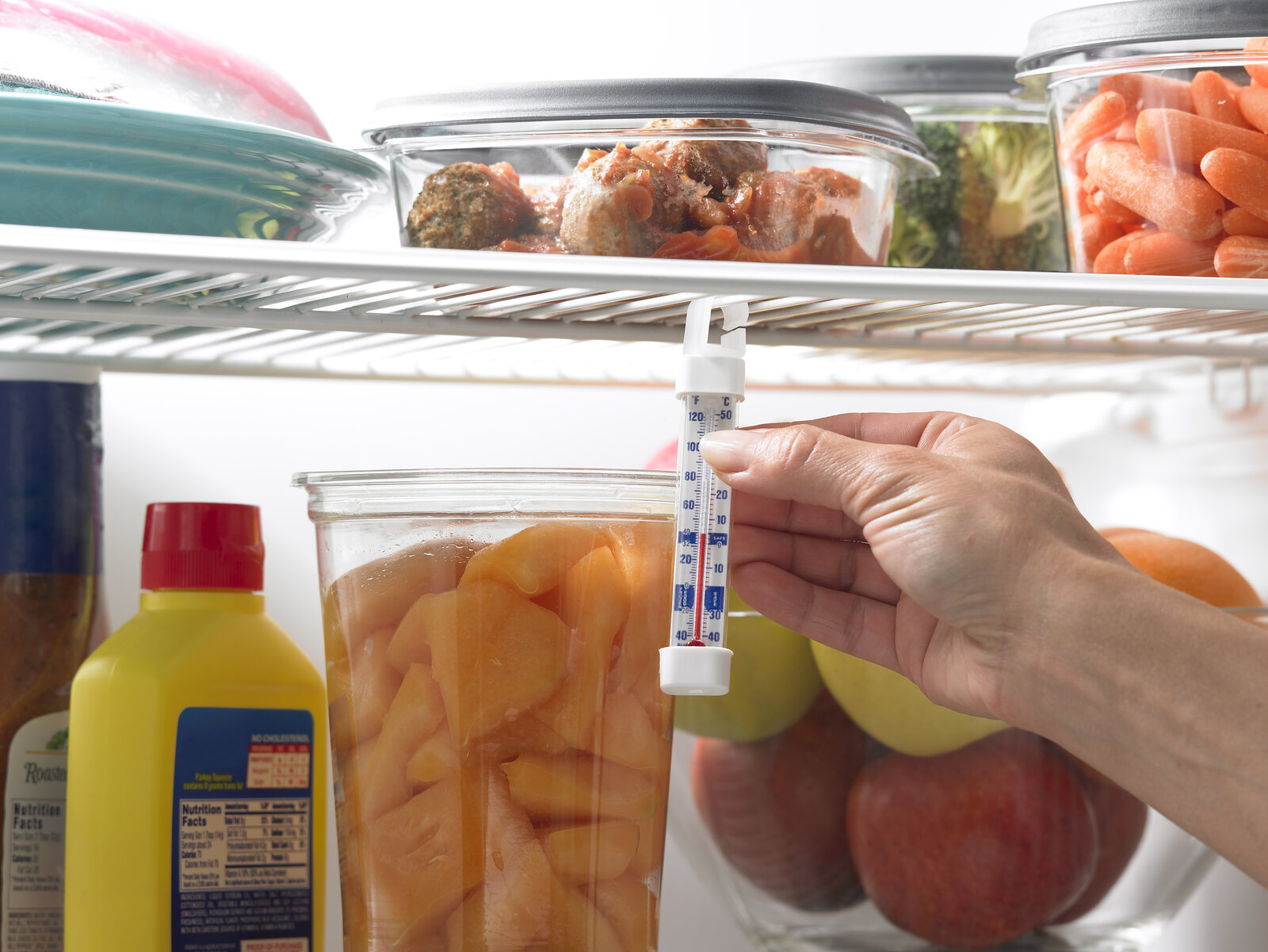
- How long was the power out?
- Did the refrigerator or freezer stay closed?
- What was the food’s temperature or condition when power returned?
If you cannot answer and the food is perishable, use the safer decision and discard it.
Refrigerated foods to discard
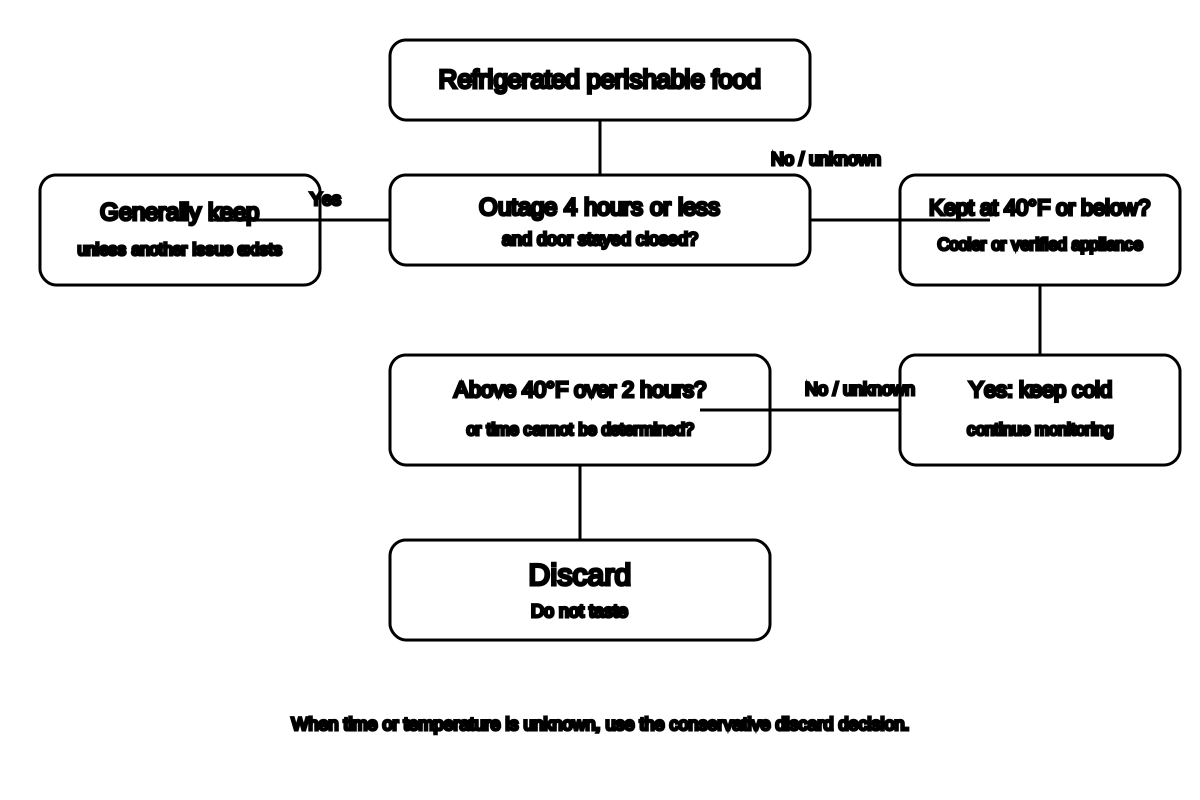
Use outage duration, verified temperature, and uncertainty to make a conservative keep-or-discard decision.
Discard refrigerated items that were above 40°F for more than two hours, or that remained in an unpowered refrigerator beyond the four-hour window without verified safe cooling.
Meat, poultry, and seafood
Discard:
- Raw meat
- Cooked meat
- Poultry
- Fish
- Shellfish
- Ground meat
- Meat substitutes that require refrigeration
- Thawing meat or poultry
- Opened refrigerated canned meat or fish
Deli and prepared meat
Discard:
- Lunch meat
- Hot dogs
- Bacon
- Sausage
- Dried beef requiring refrigeration
- Meat, tuna, chicken, shrimp, or egg salad
Dairy and eggs
Discard:
- Milk
- Cream
- Sour cream
- Yogurt
- Soft cheese
- Cottage cheese
- Cream cheese
- Ricotta
- Mozzarella
- Shredded cheese in situations covered by the USDA chart
- Shell eggs
- Liquid egg products
- Custards
- Cheesecake
Hard cheese, processed cheese, butter, and margarine are treated differently in the USDA chart and may remain safe.[3]
Leftovers and cooked foods
Discard:
- Leftovers
- Pizza
- Casseroles
- Soups
- Stews
- Gravy
- Stuffing
- Cooked rice
- Cooked pasta
- Cooked potatoes
- Cooked vegetables
- Tofu
- Opened spaghetti sauce
- Refrigerated dough
Cut produce and refrigerated salads
Discard:
- Cut melon
- Pre-cut or pre-washed packaged greens
- Cooked vegetables
- Potato salad
- Pasta salad
- Opened vegetable juice
- Commercial garlic in oil
Whole raw fruits and vegetables may remain safe unless contaminated or spoiled.[3]
Cream-filled and refrigerated desserts
Discard:
- Cream-filled pastries
- Custard pies
- Chiffon pies
- Cheese-filled pies
- Quiche
- Cream cheese frosting
- Refrigerated cookie dough
Fruit pies, ordinary bread, rolls, muffins, tortillas, and many non-cream baked goods may remain safe.[3]
Foods that may remain safe
According to USDA item-specific guidance, examples that may remain usable include:
- Hard cheese
- Processed cheese
- Butter and margarine
- Whole fresh fruits and vegetables
- Fresh herbs and spices
- Bread, rolls, muffins, and tortillas
- Fruit pies
- Peanut butter
- Jelly
- Mustard
- Ketchup
- Pickles
- Relish
- Many non-creamy salad dressings
- Flour and nuts
Check:
- Label instructions
- Packaging integrity
- Mold
- Floodwater exposure
- Raw-meat contamination
- Unusual spoilage
A condiment being listed as generally safe does not make a contaminated jar safe.
Frozen food: save or discard?
Keep or refreeze when:
Discard when:
- Perishable food was above 40°F for more than two hours
- Raw meat juices contaminated another item
- The item-specific USDA chart says discard
- You cannot determine time and temperature
- The packaging was damaged or contaminated
Ice cream and frozen yogurt
USDA recommends discarding soft or melted ice cream and frozen yogurt.[4][5]
This is partly a quality decision, but it is a very easy one. The freezer has already staged enough drama.
Food left on the counter during the outage
The ordinary two-hour rule applies.
Discard perishable food left at room temperature for more than two hours. If the air temperature is above 90°F, discard it after one hour.[6][7]
This includes food removed from the refrigerator while the power was off.
Never taste food to decide
Food can contain harmful microorganisms without smelling or looking spoiled.
Do not:
- Taste a bite
- Feed it to a pet
- Cook it “extra well”
- Mix it into another dish
- Give it to someone else
When in doubt, throw it out.
How to discard spoiled food safely
- Seal leaking packages.
- Keep raw juices away from counters and other food.
- Use a lined trash container.
- Keep discarded food away from children and animals.
- Clean and sanitize contaminated surfaces.
- Wash hands after handling.
Follow local waste rules during a large disaster.
Food exposed to floodwater
Discard food in containers that cannot be safely cleaned and sanitized.
Floodwater may contain sewage, chemicals, fuel, and debris. Use FDA or USDA flood-specific guidance rather than the outage chart alone.[7]
People at higher risk
Foodborne illness can be more dangerous for:
- Pregnant people
- Adults 65 and older
- Young children
- People with weakened immune systems
- People with certain chronic illnesses
Do not relax time and temperature rules because food is expensive or difficult to replace. The loss is real; food poisoning is not compensation.
Frequently asked questions
Is cheese safe after a power outage?
It depends on the cheese. Soft cheeses generally should be discarded after unsafe warming. Hard and processed cheeses may remain safe under USDA guidance.
Is mayonnaise safe?
Use the USDA chart and label guidance. Some opened commercial mayonnaise has a different threshold than meat, milk, or leftovers. Do not generalize the rule to homemade mayonnaise or foods mixed with mayonnaise.
Are vegetables safe?
Whole raw vegetables may remain safe. Cooked vegetables, cut leafy greens, and some opened juices are perishable.
Is butter safe?
USDA lists butter and margarine among foods that may remain safe after refrigeration is lost, provided they are not otherwise spoiled or contaminated.
Can I use food if it smells normal?
Smell cannot prove safety. Follow time, temperature, and item-specific guidance.
Related power-outage food-safety guides
- Use the refrigerator outage timeline
- Use the freezer outage timeline
- Decide whether thawed food can be refrozen
- Open the printable food-safety chart
Source notes
- Avoid Foodborne Illness During Temporary Power OutagesFoodSafety.gov
- Discarding Food After a Power OutageCenters for Disease Control and Prevention
- Keeping Food Safe During an EmergencyUSDA Food Safety and Inspection Service
- Freezing and Food SafetyUSDA Food Safety and Inspection Service
- A Consumer’s Guide to Food Safety: Severe Storms and HurricanesUSDA Food Safety and Inspection Service
- Are You Storing Food Safely?U.S. Food and Drug Administration
- Food and Water Safety During Power Outages and FloodsU.S. Food and Drug Administration
See something wrong or out of date? Report a correction.