
How Often Should You Change Your HVAC Filter?
Follow the exact filter and HVAC instructions, inspect the filter regularly, and replace it when its approved interval, loading, airflow, or household conditions justify it. Treat 30-, 60-, and 90-day schedules as rough reminders, not physical laws.
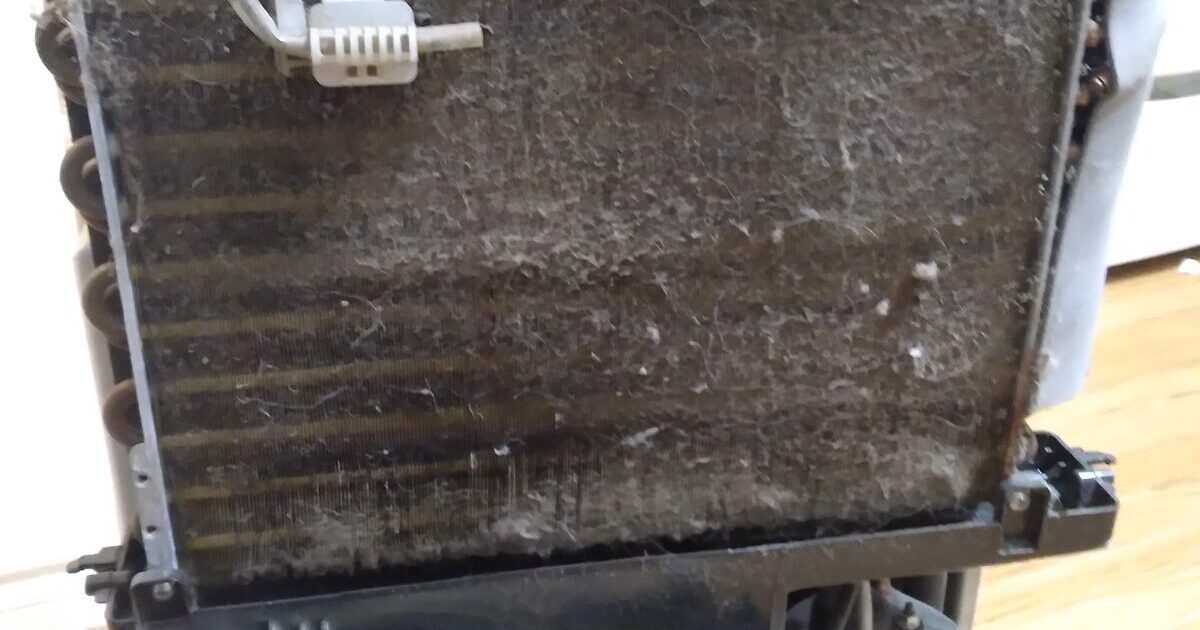

There is no reliable universal schedule that applies to every HVAC filter.
A thin one-inch filter in a home with pets and wildfire smoke may load quickly. A deep media filter in a lightly used system may remain usable much longer.
Quick answer: Follow the exact filter and HVAC instructions, inspect the filter regularly, and replace it when its approved interval, loading, airflow, or household conditions justify it. Treat 30-, 60-, and 90-day schedules as rough reminders, not physical laws.
Why the schedule varies

Replacement frequency depends on:
- Filter material
- Filter depth
- Surface area
- MERV rating
- System runtime
- Fan-only runtime
- Heating and cooling season
- Pets
- Smoking
- Wildfire smoke
- Construction dust
- Open windows
- Household cleaning
- Duct leakage
- Number of occupants
A calendar cannot see any of these things. It merely advances with bureaucratic confidence.
Filter depth
Common residential filters include:
- One-inch filters
- Two-inch filters
- Four- or five-inch media filters
- Washable filters
- Specialty cabinets
A deeper pleated filter often has more surface area and may hold more particles before airflow is affected.
That does not mean every deep filter lasts one year.
The manufacturer’s maximum interval assumes particular conditions. Heavy smoke, renovation, or equipment runtime can shorten it.
System runtime
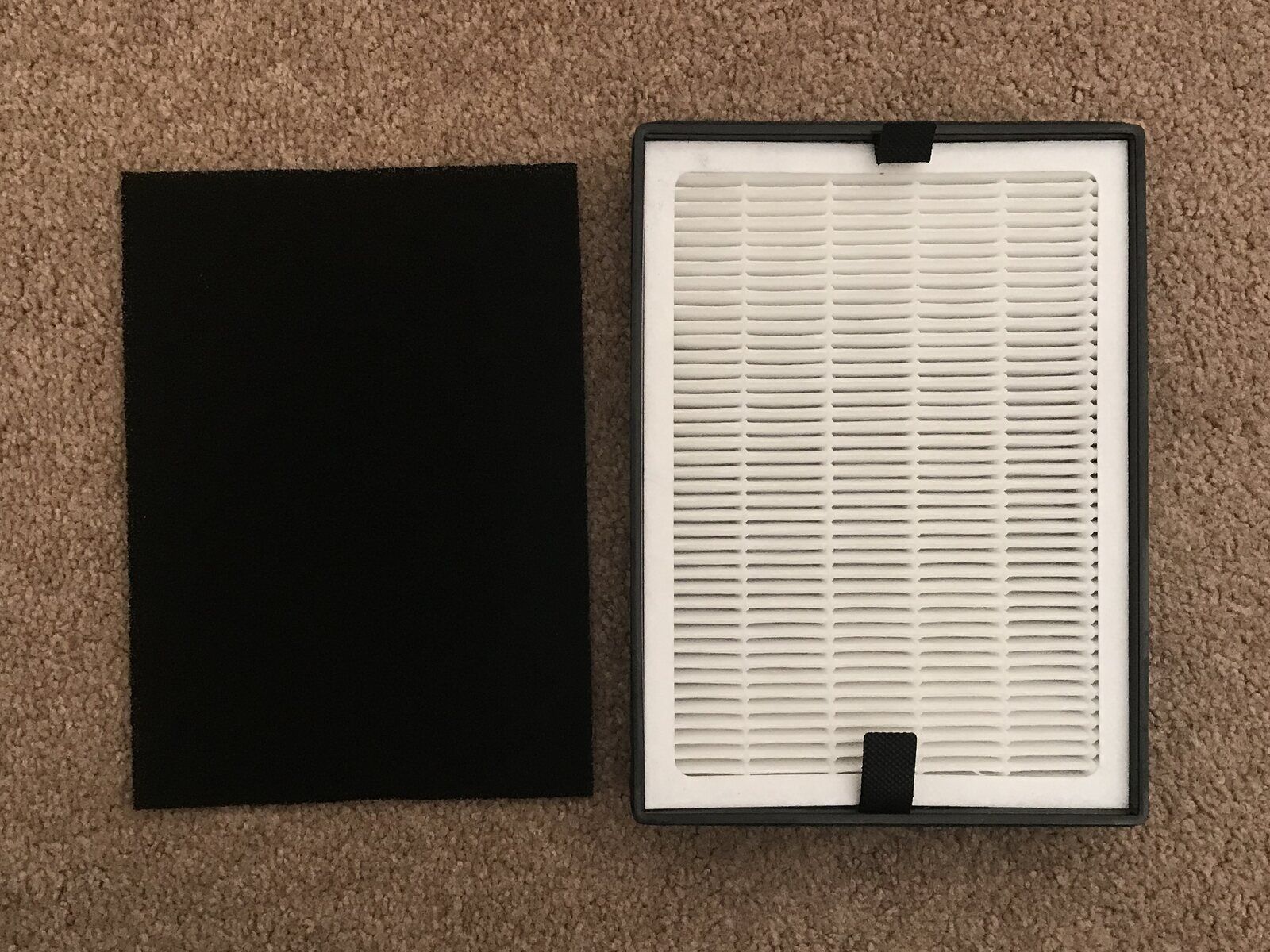

The filter loads only while air moves through it.
A filter may load faster when:
- Heating runs continuously during a cold period
- Air conditioning runs through a hot summer
- Fan is set to continuous
- System serves several occupied floors
- Return-air leakage pulls dust from an attic, basement, or wall cavity
A rarely used vacation-home filter may remain visually clean but still needs inspection for moisture, pests, or damage.
Pets and household sources
Pets can add:
- Hair
- Dander
- Outdoor soil
- Litter dust
- Bedding particles
Other high-loading conditions include:
- Indoor smoking
- Candles
- Wood burning
- Heavy cooking smoke
- Craft dust
- Renovation
- Nearby construction
- Wildfire smoke
Inspect sooner after unusual events.
What a loaded filter looks like
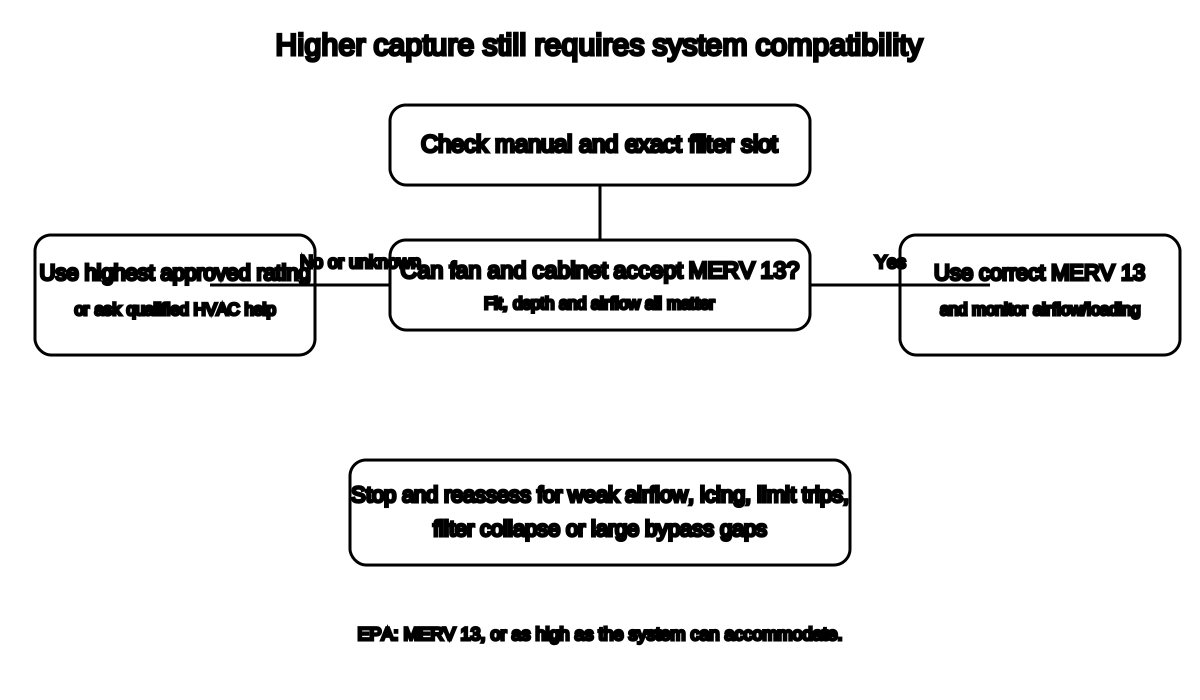
Possible signs include:
- Pleats covered with gray or brown dust
- Hair matting the surface
- Visible soot after smoke exposure
- Filter bowing toward the blower
- Debris packed into the upstream face
- Air leaking around the edges
- Reduced airflow
- Increased system noise
Appearance is imperfect. A filter can look dark because it is capturing fine material while still operating within its design.
Do not wait until air cannot pass.
Do not use color alone
A dark filter does not always mean immediate failure.
A white-looking filter does not prove low resistance.
Better evidence includes:
- Approved time interval
- Pressure-drop indicator where installed
- Filter cabinet gauge
- Airflow symptoms
- System fault
- Professional measurement
- Known smoke or construction exposure
Do not vacuum or wash a disposable filter unless its instructions explicitly permit it.
Signs the interval is too long
- Supply airflow weakens
- Furnace limit trips
- Coil freezes
- System runs much longer
- Filter collapses
- Dust bypasses edges
- Return grille whistles
- Filter reminder repeatedly appears
- Indoor smoke event occurred
- Utility use rises with no weather explanation
These symptoms can have other causes. A fresh filter is a simple check, not a complete diagnosis.
Signs the interval may be unnecessarily short
- Filter remains lightly loaded
- Manufacturer permits a longer interval
- System has low runtime
- Household conditions are stable
- No smoke, construction, or pets
- Airflow remains normal
Replacing a clean filter every few weeks wastes money and materials without improving the system.
A practical inspection schedule
A conservative starting routine:
- Record the installation date.
- Inspect after the first month.
- Note the system runtime and filter condition.
- Inspect monthly during heavy heating or cooling.
- Inspect after smoke, renovation, or dust events.
- Establish a household-specific interval.
- Continue checking before the expected replacement date.
The printable HVAC Filter Log provides fields for:
- Filter dimensions
- MERV
- Install date
- Inspection date
- Smoke or construction event
- Airflow symptom
- Replacement date
Wildfire smoke
During a severe smoke event:
- Use the highest compatible filter.
- Inspect it more often.
- Keep replacement filters available.
- Follow local air-quality guidance.
- Use a portable air cleaner in the clean room.
- Avoid bringing outdoor smoke inside.
A heavily loaded filter may need replacement sooner than its ordinary schedule.
Renting
Tenants should know:
- Who supplies filters
- Who replaces them
- Required filter rating
- Exact dimensions
- Access rules
- Maintenance reporting process
Do not install a more restrictive filter against the lease or equipment instructions.
Document a damaged or missing filter slot and report it.
Washable filters
A washable filter should be:
- Approved for the system
- Cleaned according to instructions
- Rinsed in the correct direction
- Fully dry before installation
- Replaced when damaged
A damp filter can introduce moisture and debris into the system.
Do not substitute a washable screen for a required pleated filter without approval.
Frequently asked questions
Should I change my filter every 30 days?
Only when the filter, system, or conditions require it. Thirty days is not universal.
Can a filter last six months?
Some deep media filters may, under suitable conditions. Inspect and follow the exact instructions.
Should I replace it after wildfire smoke?
Inspect it promptly. Heavy smoke loading can shorten the interval.
Can I vacuum a disposable filter?
Usually not unless the manufacturer permits it. Vacuuming may damage media without restoring performance.
Does a dirty filter increase the electric bill?
It can contribute to airflow problems and longer runtime, but weather, equipment, and duct problems also matter.
Printable companion
Download the ungated HVAC Filter Log PDF. No email address is required.
Related guides
- What MERV Rating Should You Use in Your House?
- Air Purifier vs. HVAC Filter: Which Do You Need?
- What Size Air Purifier Do You Need?
- How Much Does an Air Purifier Cost to Run?
- What Can an Air Purifier Remove?
- What Humidity Should Your House Be?
- Home Energy Check for a High Summer Electric Bill
- Why Is My Electric Bill So High in Summer?
- How to Calculate What an Appliance Costs to Run
Source notes
See something wrong or out of date? Report a correction.