
What Can an Air Purifier Remove?
Particle filters can help reduce airborne smoke, dust, pollen, pet allergens, and some mold-related particles. Gas removal requires suitable media. A purifier does not repair moisture, remove radon, detect carbon monoxide, or make an unsafe combustion source safe.

A properly selected air cleaner can reduce some airborne particles.
It cannot solve every indoor-air problem.
Quick answer: Particle filters can help reduce airborne smoke, dust, pollen, pet allergens, and some mold-related particles. Gas removal requires suitable media. A purifier does not repair moisture, remove radon, detect carbon monoxide, or make an unsafe combustion source safe.
Start with source control

EPA identifies the most effective general indoor-air strategies as:
- Reduce or remove pollutant sources.
- Ventilate with clean outdoor air.
- Use filtration as a supplement.[1]
Examples:
- Stop indoor smoking.
- Vent cooking.
- Repair leaks.
- Remove mold-damaged material.
- Store chemicals safely.
- Service combustion equipment.
- Keep outdoor smoke outside when advised.
A purifier acts on air reaching the unit. It cannot stop a source from continuing.
Smoke particles
A portable air cleaner with adequate smoke CADR can reduce airborne fine particles in the treated room.
Also:
- Close windows during outdoor smoke when advised.
- Use a compatible HVAC filter.
- Avoid candles, smoking, frying, and other indoor particle sources.
- Inspect filters after heavy smoke.
A purifier does not remove carbon monoxide generated by combustion.
During a fire or CO emergency, leave and call emergency services.
Dust
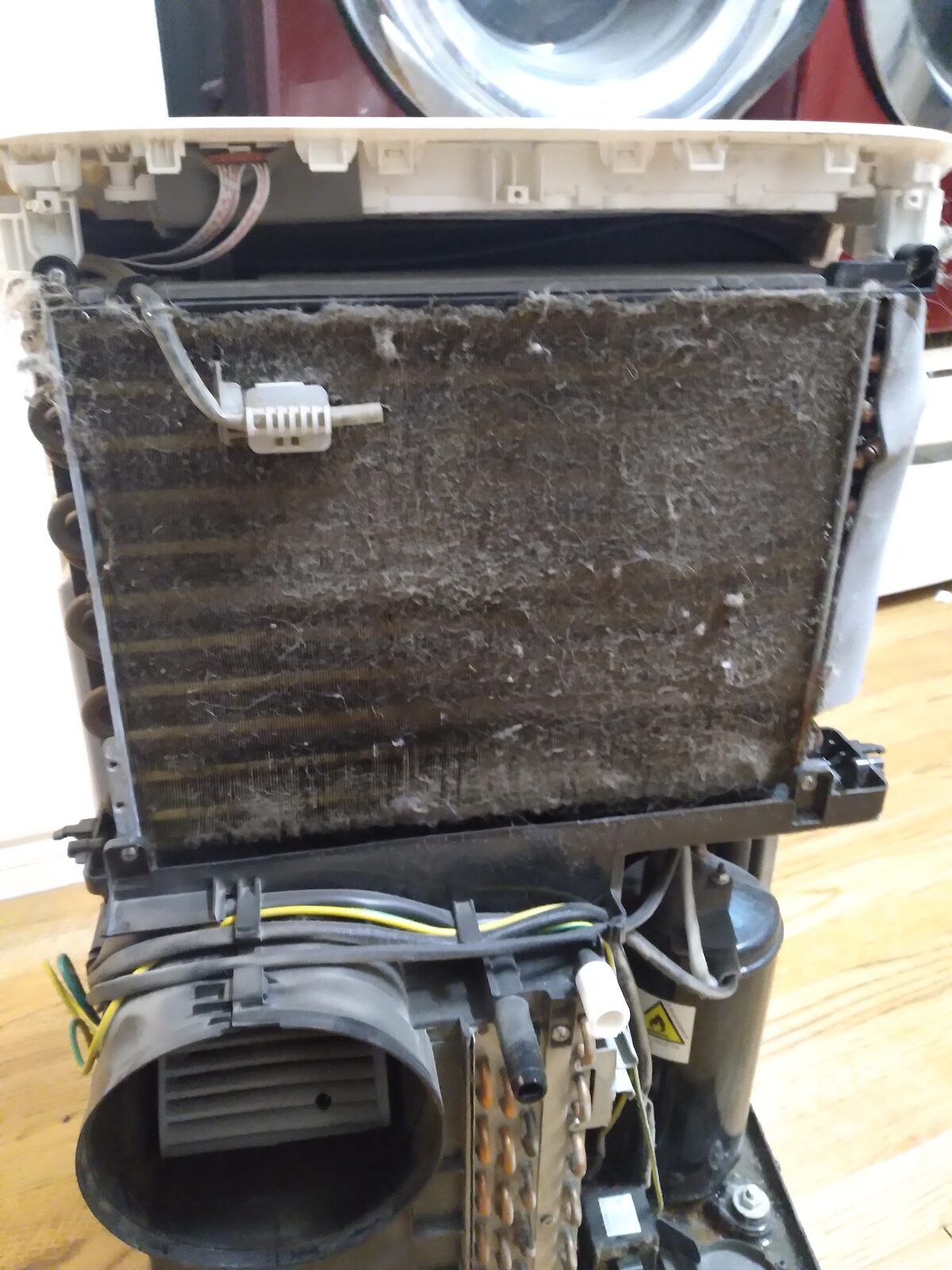

A purifier can reduce airborne dust particles.
It will not remove dust already on:
- Floors
- Furniture
- Bedding
- Shelves
- Duct surfaces
- Curtains
Use filtration with cleaning and source control.
A room that rapidly becomes dusty may have:
- Construction source
- Open window
- Duct leakage
- Poor filter fit
- Textile shedding
- Outdoor soil
- Pet activity
Pollen
Particle filtration can reduce pollen in the treated air.
Also:
- Close windows during high pollen when appropriate.
- Remove outdoor clothing.
- Wash bedding.
- Clean surfaces.
- Keep the filter maintained.
No purifier guarantees symptom relief.
Health claims require medical evidence and individual care.
Pet allergens
A purifier may reduce airborne particles carrying pet allergens.
It does not remove allergens embedded in:
- Carpet
- Upholstery
- Bedding
- Clothing
- Pet sleeping areas
Use cleaning and source-management strategies too.
Mold spores
A purifier may reduce some airborne mold-related particles.
It does not:
- Stop a leak
- Dry wet drywall
- Remove mold from a wall
- Make contaminated porous material safe
- Identify the mold species
- Prove that the building is remediated
EPA states that mold control requires moisture control. Clean the mold and fix the water problem.[2]
Water-damaged material should be dried promptly, ideally within 24 to 48 hours.[2]
VOCs
Volatile organic compounds are gases.
A particle filter such as HEPA does not remove gases merely because it is efficient for particles.
Gas removal may require:
- Activated carbon
- Other sorbent media
- Sufficient media mass
- Adequate contact time
- Frequent replacement
- Source-specific evidence
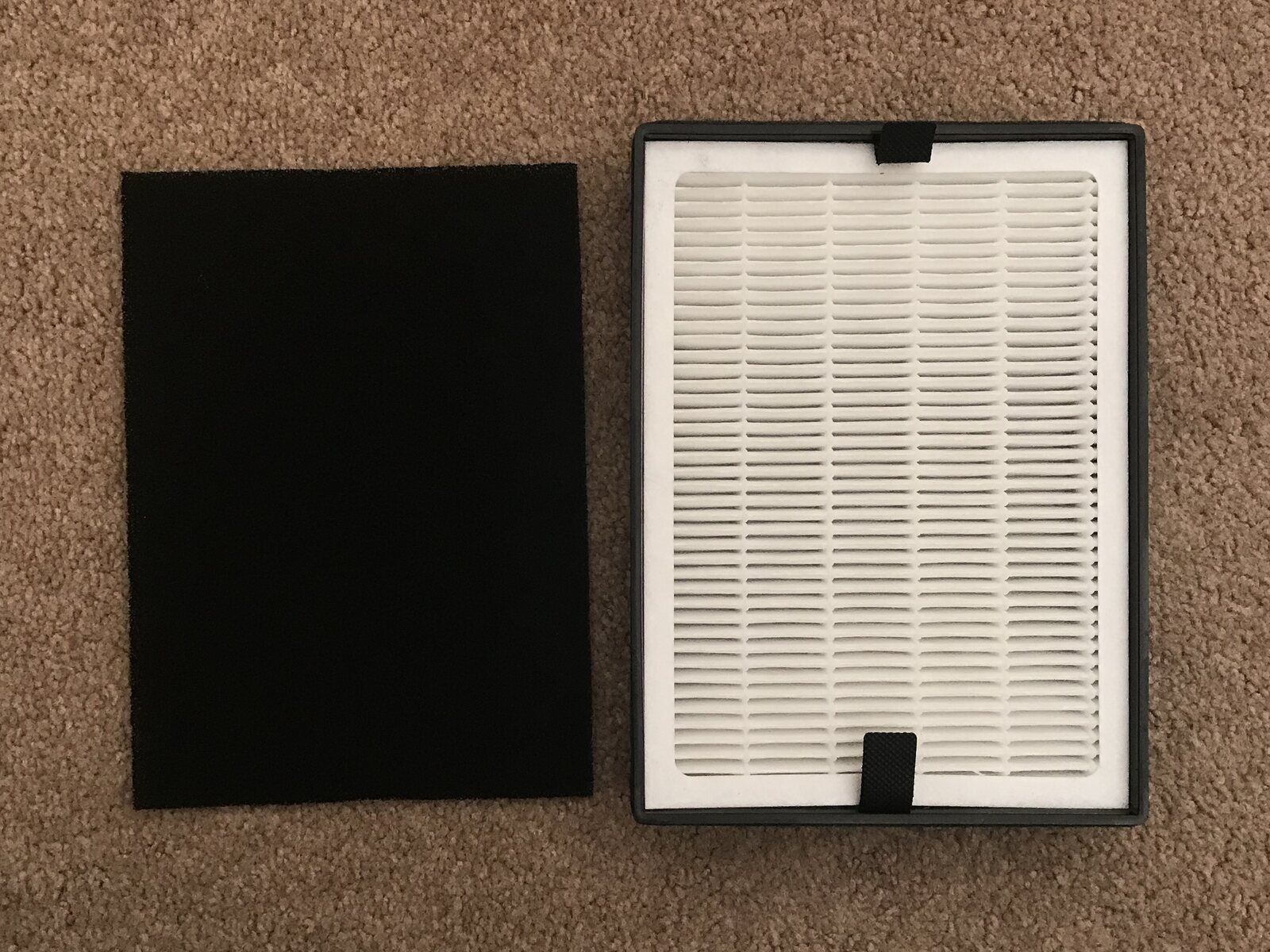
A thin carbon sheet may reduce some odors without providing broad VOC protection.
Remove the source and ventilate when safe.
Odors
Odor is not one pollutant.
It may come from:
- Cooking
- Pet area
- Smoke
- Mold
- Sewer gas
- Solvent
- Natural gas
- Electrical overheating
- Spoiled food
Do not use an air purifier to conceal:
- Gas odor
- Burning smell
- Sewage
- Electrical arcing
- Active mold
- Chemical spill
Identify the source.
Viruses and bacteria
Filtration may reduce some airborne particles that contain microorganisms.
It does not eliminate transmission risk or disinfect every surface.
Use applicable public-health guidance, ventilation, source control, hygiene, and medical advice.
EPA does not endorse manufacturer claims that a particular air cleaner will make indoor air healthy.[3]
Ozone
Avoid devices that intentionally produce ozone for occupied spaces.
EPA states that ozone can be harmful and, at concentrations that meet public-health standards, generally does not effectively remove many indoor pollutants.[4]
Some electronic devices may emit ozone as a byproduct.
ENERGY STAR currently requires certified room air cleaners to remain within an ozone-emission limit under its test requirements.[5]
Certification does not mean the product removes every pollutant.
Radon
Portable air cleaners are not an accepted substitute for radon mitigation.
Use:
- Radon test
- Confirmatory testing where recommended
- Qualified mitigation
- Building-specific solution
Do not use a particle meter to infer radon.
Carbon monoxide
An air purifier is not a carbon-monoxide alarm.
Use listed CO alarms and follow emergency guidance.
If an alarm sounds or symptoms suggest exposure:
- Move outside.
- Call emergency services or fire department.
- Do not search the building for the source.
Capability table
| Problem | Can a purifier help? | Required additional action |
|---|---|---|
| Wildfire smoke particles | Often | Keep smoke out and use clean-room guidance |
| Dust | Often | Clean surfaces and sources |
| Pollen | Often | Reduce entry and clean |
| Pet allergens | Some airborne reduction | Clean textiles and pet areas |
| Mold spores | Some airborne reduction | Fix moisture and remediate growth |
| VOCs | Only with suitable gas media | Remove source and ventilate |
| Odor | Sometimes | Identify the source |
| Radon | Not an accepted solution | Test and mitigate |
| Carbon monoxide | No | Alarm and emergency response |
| Gas leak | No | Leave and contact utility/emergency services |
Frequently asked questions
Does HEPA remove smells?
HEPA targets particles. Odor gases require other media and source control.
Can a purifier remove mold?
It may reduce airborne particles. It does not remove growth or repair moisture.
Can an air purifier remove cigarette smoke?
It can reduce some particles and possibly some gases with suitable media. The strongest solution is eliminating indoor smoking.
Does an ionizer clean the air?
Performance and ozone emissions vary. Avoid unsupported health claims and ozone-producing devices.
Can an air purifier replace ventilation?
No. Filtration and ventilation perform different functions.
Printable companion
Download the ungated HVAC Filter Log PDF. No email address is required.
Related guides
- What MERV Rating Should You Use in Your House?
- How Often Should You Change Your HVAC Filter?
- Air Purifier vs. HVAC Filter: Which Do You Need?
- What Size Air Purifier Do You Need?
- How Much Does an Air Purifier Cost to Run?
- What Humidity Should Your House Be?
- Home Energy Check for a High Summer Electric Bill
- Why Is My Electric Bill So High in Summer?
- How to Calculate What an Appliance Costs to Run
Source notes
See something wrong or out of date? Report a correction.