
New vs. Used vs. Refurbished vs. Open-Box Appliances
Obtain the exact condition in writing. Verify model, serial, age, warranty, return rights, missing parts, installation requirements, recall status, and whether any recall remedy was completed. Inspect before accepting delivery.
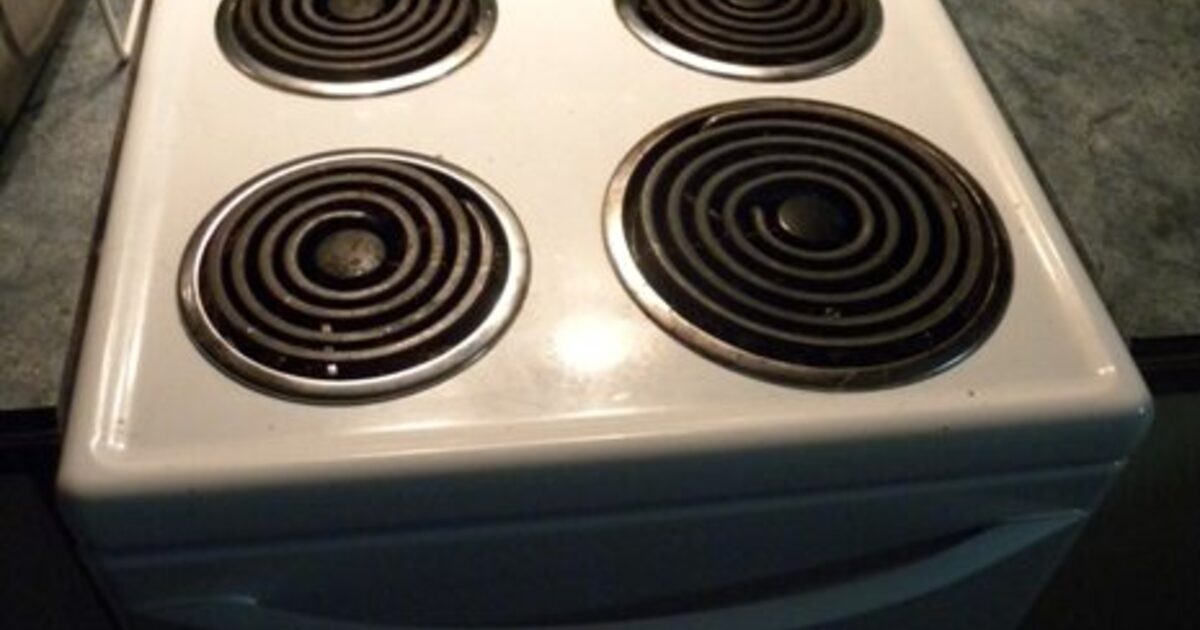

Words such as:
- Open-box
- Refurbished
- Reconditioned
- Floor model
- Used
- Like new
do not have one universal condition standard.
Quick answer: Obtain the exact condition in writing. Verify model, serial, age, warranty, return rights, missing parts, installation requirements, recall status, and whether any recall remedy was completed. Inspect before accepting delivery.
New
.jpg)
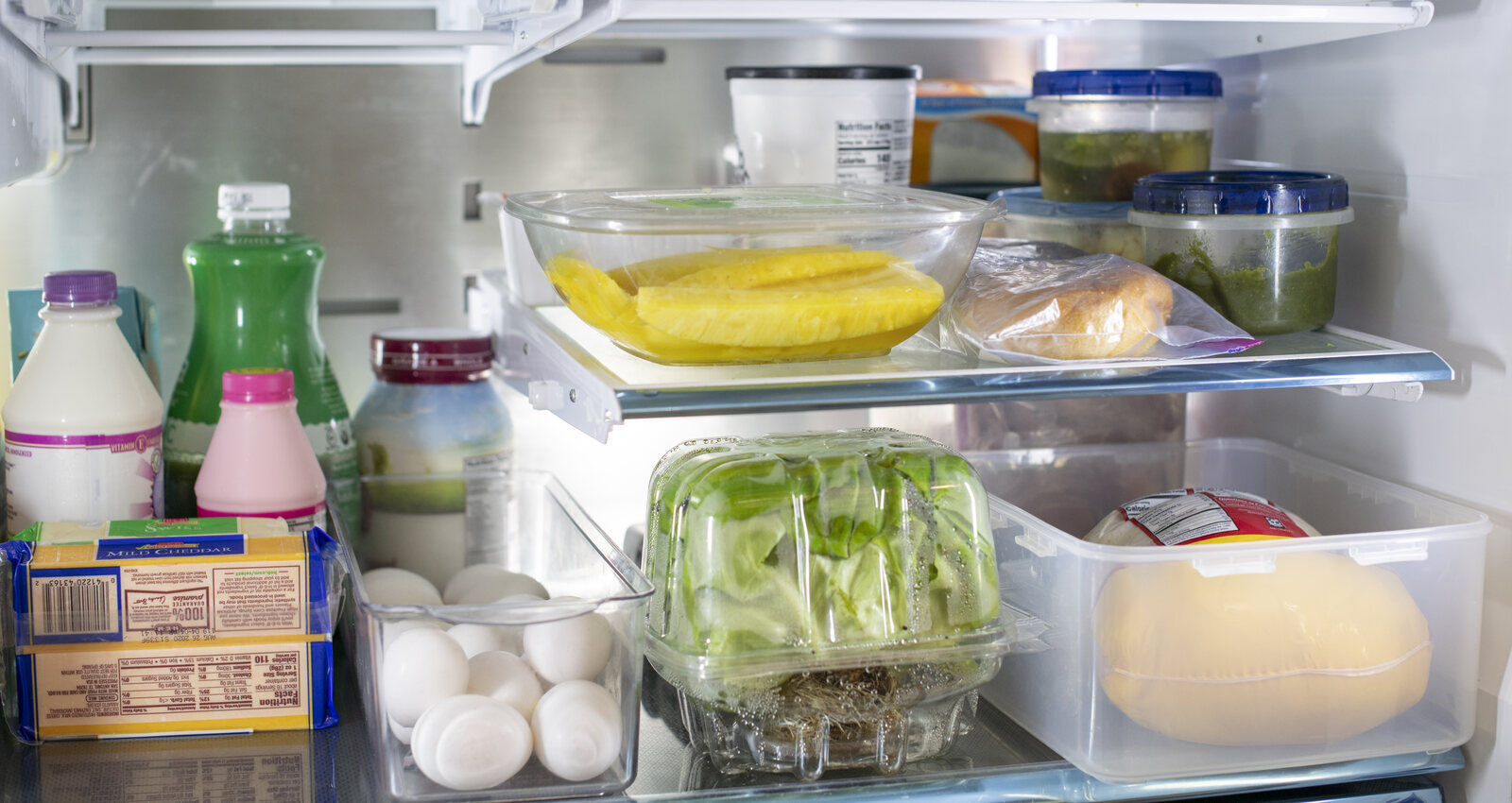
A new appliance should generally be:
- Unused
- Complete
- Covered by stated warranty
- Sold through authorized channels
- Current or clearly identified old stock
Still verify:
- Box damage
- manufacturing date
- model
- warranty start
- return policy
- recall
- missing accessories
“New old stock” may have aging seals, batteries, hoses, firmware, or discontinued support.
Open-box
Open-box may mean:
- Customer return
- Display model
- Damaged packaging
- Delivery refusal
- Unused inspection
- Minor cosmetic damage
- Missing accessory
- Reboxed product
Ask:
- Was it installed?
- Was it powered?
- Was water or gas connected?
- Why was it returned?
- Is the warranty full?
- Is damage documented?
- Are all parts included?
Floor model
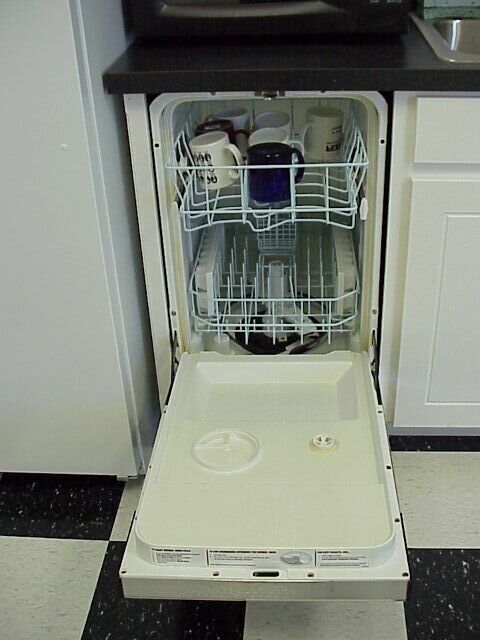

A display may have:
- Door wear
- missing shelves
- scratches
- long light or display runtime
- disconnected parts
- repeated handling
- no packaging
It may never have run under load.
A floor refrigerator that was never cooled differs from a used appliance but still needs inspection.
Refurbished
Refurbished can mean:
- Manufacturer inspected
- Seller repaired
- Returned and cleaned
- Parts replaced
- Software reset
- Cosmetic repair
- Minimal testing
Ask who refurbished it and what standard was used.
Manufacturer-refurbished is not automatically perfect.
Seller-refurbished is not automatically poor.
The documentation matters.
Used
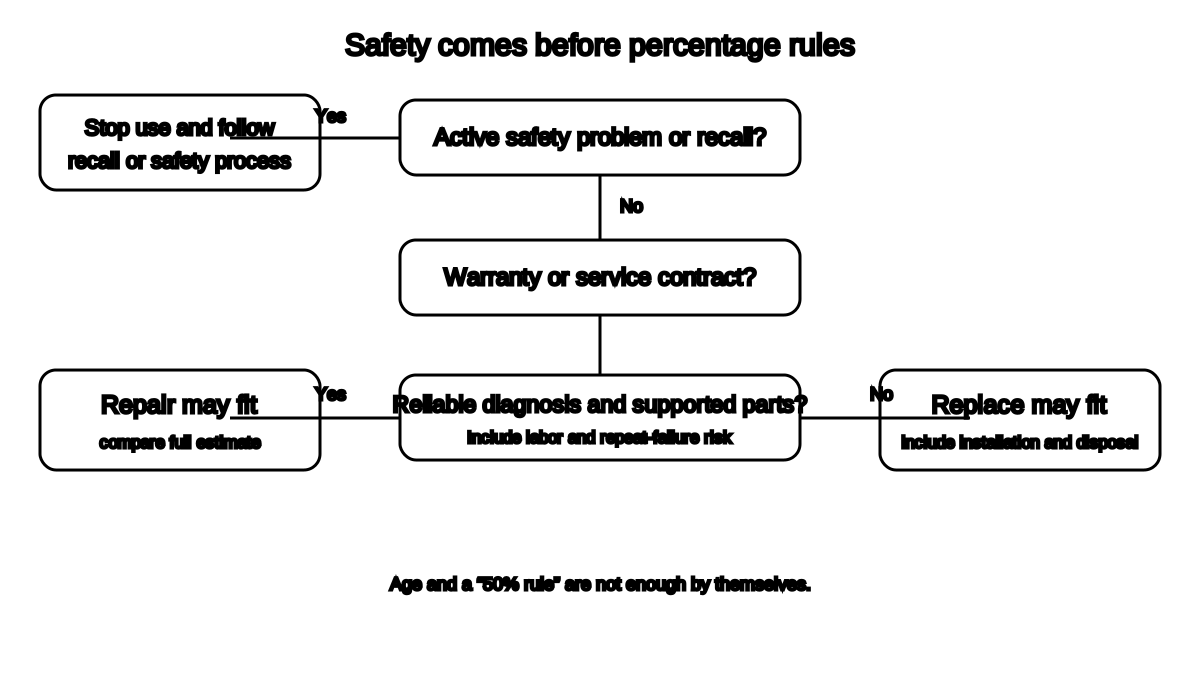
Used appliances may have unknown:
- Age
- maintenance
- environment
- repair history
- transport history
- pests
- smoke exposure
- water damage
- overloading
- power quality
Inspect thoroughly.
Do not buy a gas, refrigerant, pressure-vessel, or high-power appliance solely from photographs.
Recall status
CPSC advises searching recalls before buying or reselling used products.[1]
Selling a recalled product is unlawful unless the prescribed remedy has been completed.[1][2]
Verify:
- Model
- serial range
- date code
- remedy
- proof of repair
- permanent marking
- current remedy availability
A seller saying “it works fine” does not satisfy a recall.
Warranty
Get in writing:
- Manufacturer warranty
- Seller warranty
- Refurbishment warranty
- Labor
- parts
- shipping
- return
- service location
- start date
A product may be sold “as is.”
State implied-warranty rules vary.
Return policy
Check:
- Days
- restocking fee
- delivery fee
- pickup fee
- installation
- electrical or plumbing connection
- cosmetic damage
- performance defect
- “final sale”
Test promptly within the return window.
Missing parts
Common missing items:
- Shelves
- door bins
- hoses
- power cord
- stacking kit
- leveling feet
- drain hose
- filter
- mounting hardware
- anti-tip bracket
- manual
Replacement parts can be expensive or unavailable.
Cosmetic versus functional damage
Cosmetic:
- Small side scratch
- packaging damage
- minor dent away from seal
Potentially functional:
- Bent door
- damaged gasket
- crushed cabinet
- kinked refrigerant line
- bent drum
- cracked glass
- damaged cord
- gas-valve impact
- water damage
- missing ground pin
Do not accept “cosmetic” without inspection.
Sanitation
Used:
- refrigerator
- washer
- dishwasher
- dehumidifier
- air purifier
may contain:
- mold
- food
- pests
- grease
- detergent
- smoke
- allergens
Cleaning does not repair unsafe contamination or water damage.
Replace filters and consumables as appropriate.
Delivery and transport
Transport rules differ:
- Refrigerator orientation
- washer shipping bolts
- dryer drum
- gas connections
- water heater
- heat pump compressor
Use manufacturer transport guidance.
A refrigerator laid down may require a specified upright waiting period.
Do not invent one universal wait time.
Risk by category
| Category | Key used/open-box risk |
|---|---|
| Refrigerator | Sealed-system damage, temperature, gasket |
| Washer | Bearing, leaks, mold, shipping bolts |
| Dryer | Vent, heater, gas, drum |
| Microwave | Door, latch, seal |
| Dehumidifier | Recall and fire history |
| Air purifier | Filter availability and contamination |
| Water heater | Pressure vessel, age, fuel, warranty |
| Gas range | Gas controls, ignition, connectors |
Frequently asked questions
Is manufacturer-refurbished safer?
It may provide clearer process and warranty, but verify exact terms.
Is open-box unused?
Not necessarily.
Can a recalled product be sold after repair?
CPSC says it may be sold when the specified remedy has been completed. Obtain proof.
Should I buy a used water heater?
Pressure-vessel age, fuel, installation, warranty, and transport make it high risk. Professional review is essential.
Does cosmetic damage matter?
It can when it affects doors, seals, insulation, wiring, tubing, or structure.
Printable companion
Download the ungated Appliance Purchase and Delivery Checklist PDF. No email address is required.
Related guides
- How to Read an EnergyGuide Label
- ENERGY STAR vs. EnergyGuide
- Are Extended Warranties on Appliances Worth It?
- Repair or Replace an Appliance?
- Appliance Buying Checklist: Measurements, Hookups, Delivery, Warranty, and Recalls
- How to Calculate What an Appliance Costs to Run
- How Much Does a Refrigerator Cost to Run?
- How Much Does a Dishwasher Cost Per Load?
- How Much Does a Washing Machine Cost Per Load?
- How Much Does an Electric Dryer Cost Per Load?
Source notes
See something wrong or out of date? Report a correction.