
Refrigerator Not Cooling but Freezer Works
Measure both compartments. Protect food above 40°F, clear internal vents, confirm the freezer is truly near 0°F, inspect for heavy frost, and use model-specific diagnostics. Do not chip ice or open refrigerant and electrical systems.
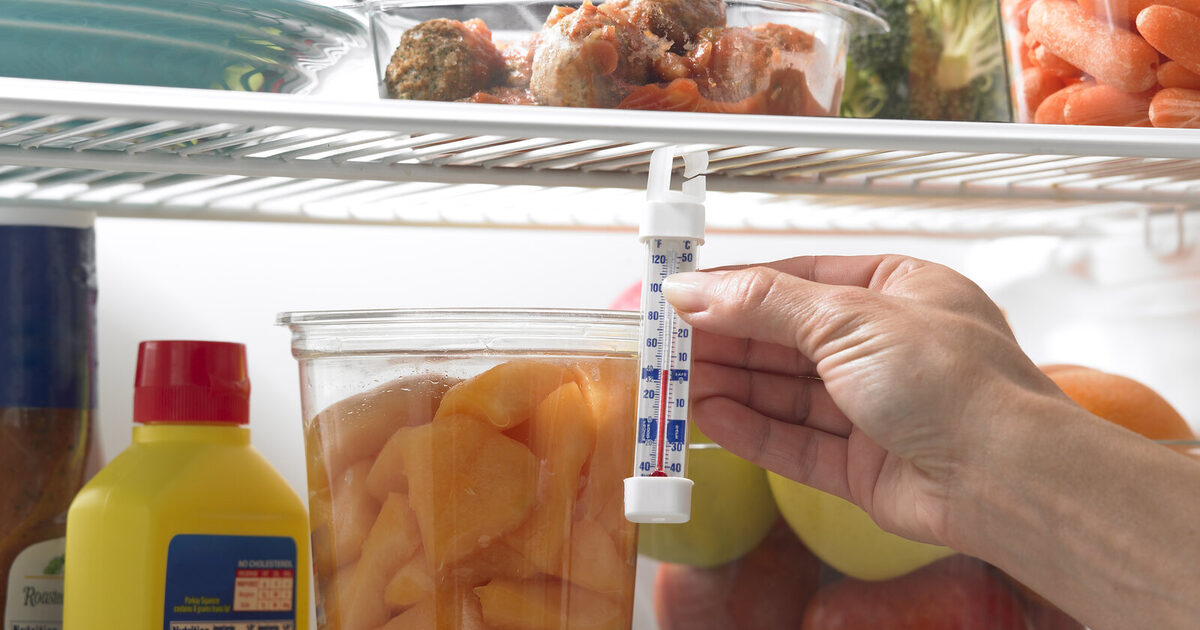
.jpg)
When the freezer remains cold but the refrigerator compartment warms, the cooling system may still be producing cold air but failing to move or regulate it correctly.
Common directions include:
- Blocked air vents
- Overpacking
- Frosted evaporator area
- Evaporator-fan problem
- Damper problem
- Door-seal problem
- Temperature-sensor or control fault
Quick answer: Measure both compartments. Protect food above 40°F, clear internal vents, confirm the freezer is truly near 0°F, inspect for heavy frost, and use model-specific diagnostics. Do not chip ice or open refrigerant and electrical systems.
Protect food first
.jpg)
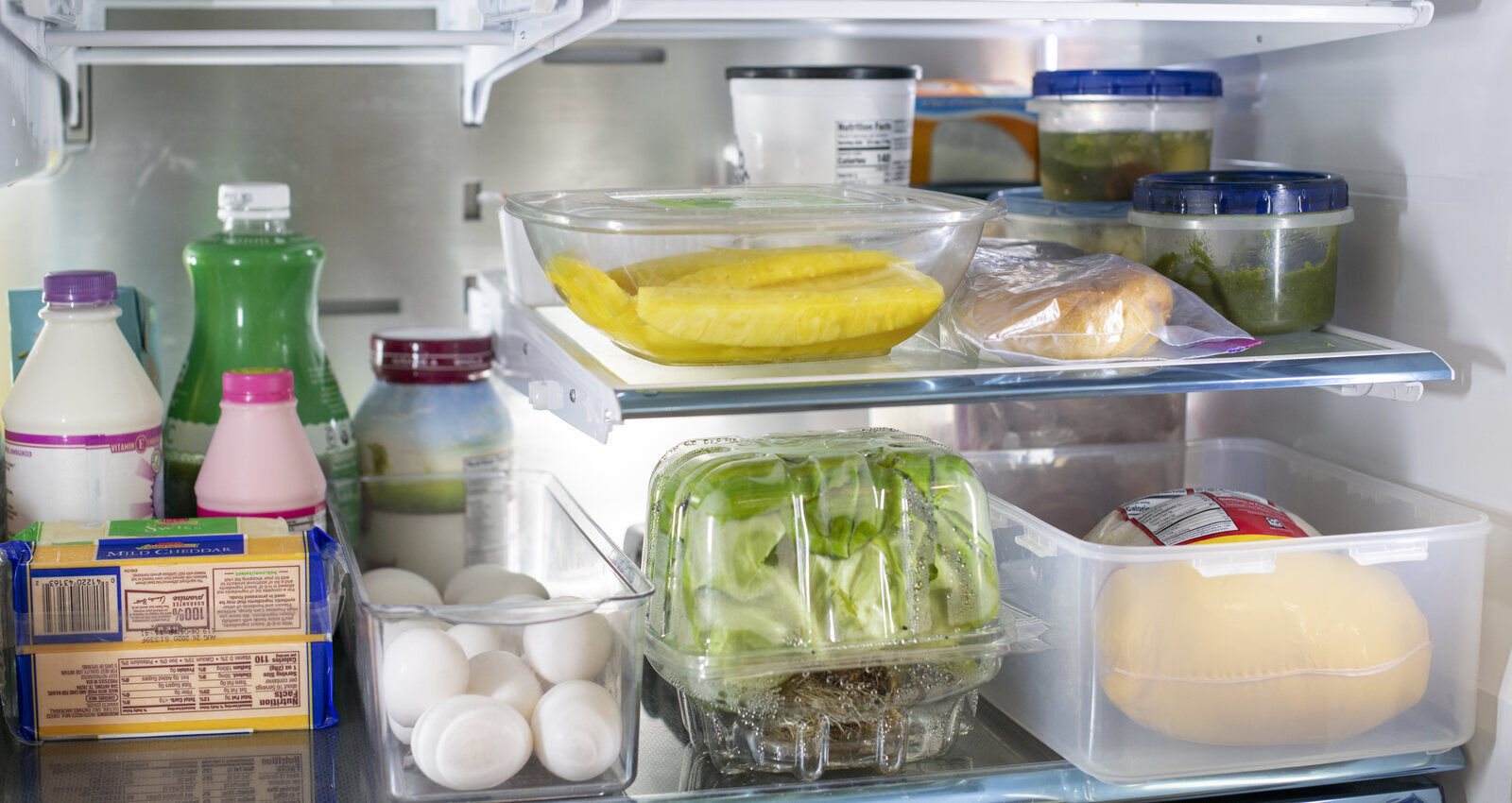
FDA recommends the refrigerator remain at 40°F or below.[1]
If it is warmer:
- Move meat, milk, eggs, leftovers, soft cheese, and other perishables to another verified refrigerator or a cooler at 40°F or below.
- Record when the problem began.
- Keep doors closed.
- Use the outage and food-safety rules when temperature history is uncertain.
Do not leave food in a warm compartment while troubleshooting for an afternoon.
Measure the freezer
A freezer can feel cold but be warmer than 0°F.
Use a thermometer.
Record:
- Refrigerator temperature
- Freezer temperature
- Door-opening history
- Error codes
- Fan sounds
- Frost location
If both compartments are warm, the diagnosis moves toward:
- Power
- compressor
- condenser
- sealed system
- control
- room temperature
Understand the airflow path
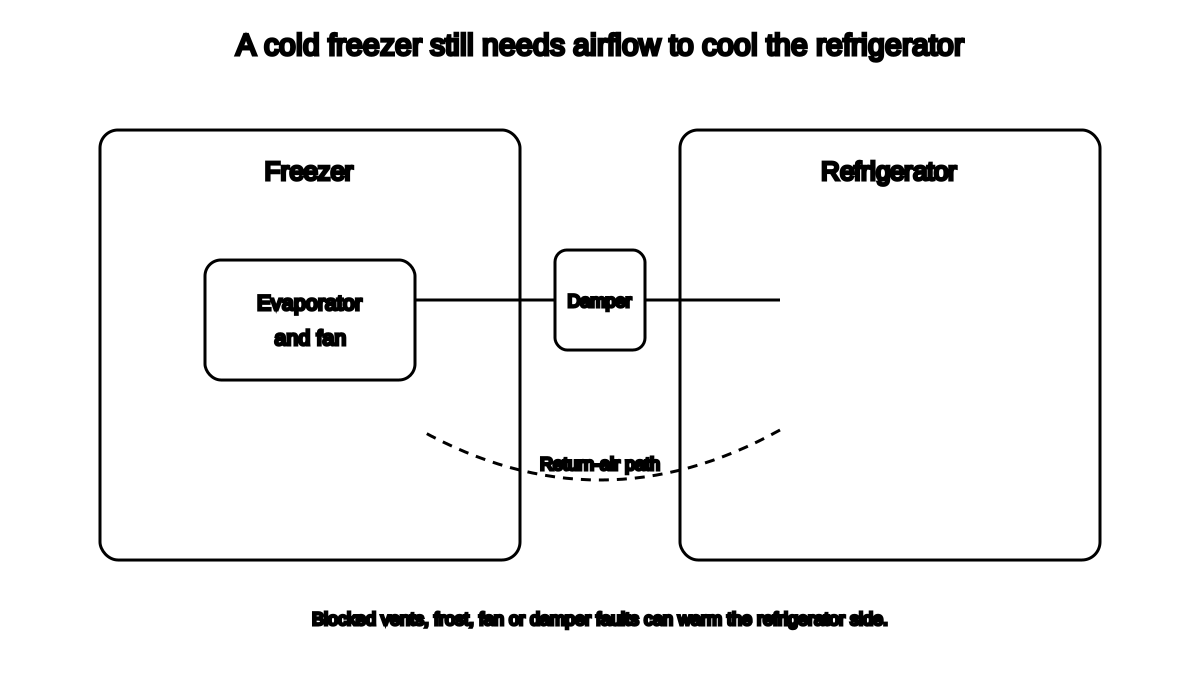
Many refrigerator-freezer designs create cold air in the freezer and move some of it into the refrigerator.
The path may include:
- Evaporator coil
- Evaporator fan
- Air duct
- Damper
- Return-air path
- Sensor
If airflow stops, the freezer can remain cold while the refrigerator warms.
Exact designs differ.
Clear blocked vents
Look for interior vents.
Do not cover them with:
- Food boxes
- bags
- produce
- ice
- shelf liner
- containers
Also check the return path.
Rearrange food without blocking circulation.
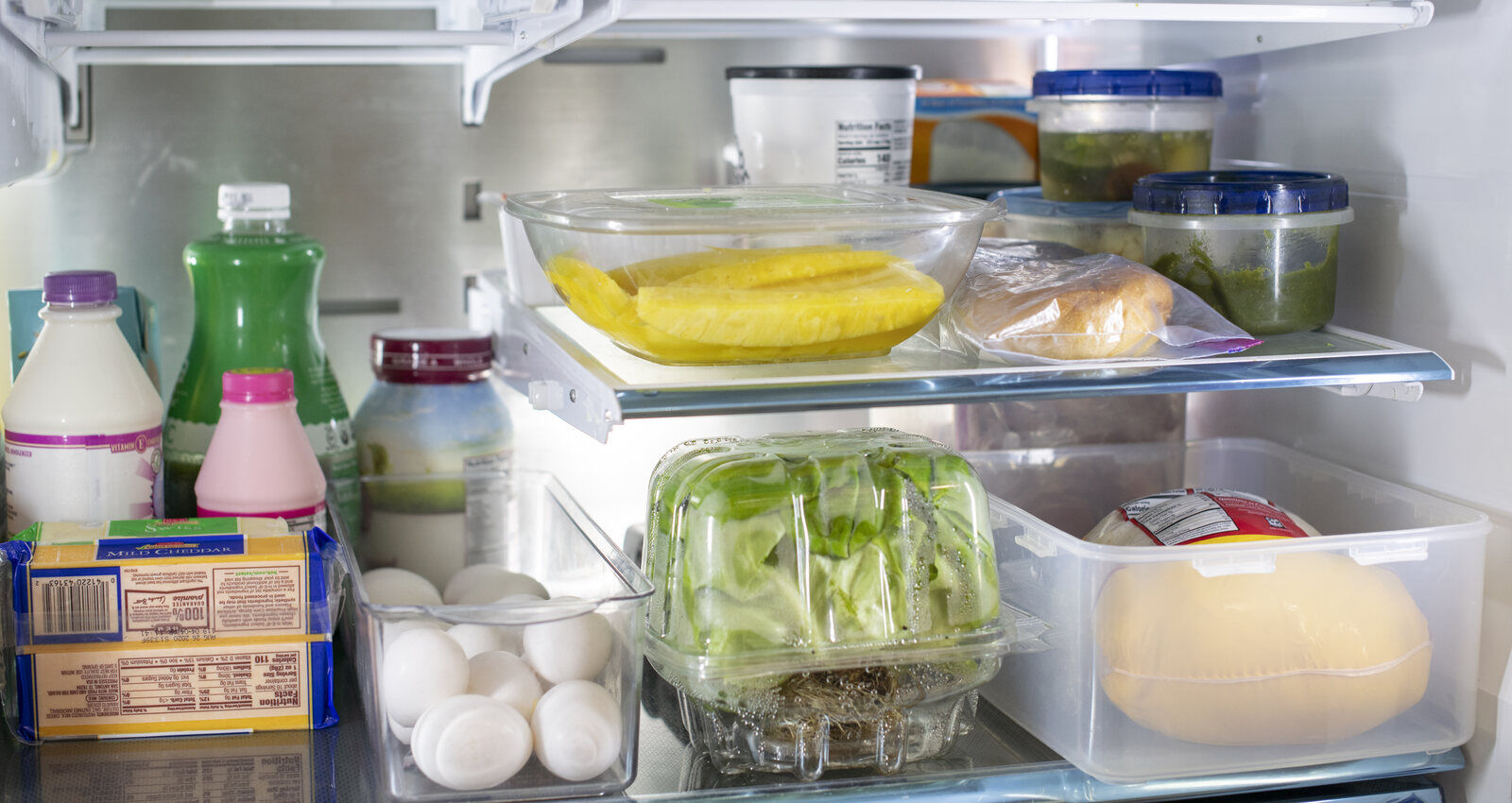
FDA warns not to overpack because cold air must circulate.[2]
Check for heavy frost
Signs include:
- Snow or ice on freezer back panel
- Fan scraping
- Reduced airflow
- Frost around vents
- Refrigerator temperature rising over several days
A defrost-system fault can allow ice to block the evaporator.
Do not:
- Use a knife
- Use a heat gun
- Pour boiling water
- Bend panels
- puncture tubing
A manual defrost may be a manufacturer-supported diagnostic, but it is not a permanent repair.
Protect food and follow exact instructions.
Evaporator fan
The fan may stop because of:
- Motor failure
- Ice obstruction
- Door switch
- Wiring
- Control
Possible signs:
- Freezer cold near coil but little airflow
- No fan sound
- Fan strikes ice
- Air returns after door switch is pressed, depending on model
Do not bypass a door switch or reach into a moving fan.
Qualified service is appropriate.
Damper
The damper regulates cold air entering the refrigerator.
It may:
- Stick closed
- freeze
- break
- lose control signal
Possible signs:
- Freezer normal
- Refrigerator warm
- Little air at refrigerator vent
- Damper noise
- Error code
The damper is model-specific.
Do not force louvers.
Door seal
A leaking refrigerator door can cause:
- Warm compartment
- condensation
- long runtime
- frost
- food spoilage
Check:
- Gasket
- hinge
- leveling
- package obstruction
- door bin
- closure
Clean only with approved methods.
Temperature controls
Confirm:
- Refrigerator not set to off
- Vacation or demo mode not active
- Cooling not disabled
- Setpoint not accidentally raised
- Child lock not confusing the display
- Recent power interruption did not change settings
Use the manual.
A display showing 37°F may show the setpoint, not actual temperature.
Recent installation or loading
A newly installed or heavily loaded refrigerator may need time to stabilize.
But perishables still require safe storage.
Do not use “it is still cooling down” to justify food above 40°F for an unknown period.
When to call service
Seek service when:
- Heavy frost returns after defrost
- Fan is not operating
- Damper does not move
- Error code persists
- Refrigerator cannot reach 40°F
- Freezer is also warming
- Burning odor or electrical issue appears
- Refrigerant tubing is damaged
- Appliance repeatedly trips power
Frequently asked questions
Can I fix it by unplugging it?
A power cycle may clear a temporary control fault when the manual permits it. It cannot repair a fan, damper, heater, sensor, or sealed-system fault.
Why does the freezer work but not the fridge?
The freezer may create cold air while airflow into the refrigerator is blocked or uncontrolled.
Is frost on the back panel normal?
A thin temporary pattern may occur, but heavy persistent frost suggests a defrost or airflow problem.
Should I move food?
Move perishables when temperature is above 40°F or unknown.
Can I use a hair dryer to melt ice?
Do not use unapproved heat near plastic, wiring, water, or refrigerant components.
Printable companion
Download the ungated Leftover Labels and Refrigerator Use-First List PDF. No email address is required.
Related guides
- Why Is My Refrigerator Running All the Time?
- Why Is My Freezer Frosting Up?
- Why Is My Refrigerator Leaking Water?
- How Long Do Leftovers Last in the Fridge?
- How to Organize a Refrigerator for Food Safety and Less Waste
- How Much Does a Refrigerator Cost to Run?
- Do You Need a Refrigerator Thermometer? What to Look For
- How Long Is Food Safe in the Refrigerator Without Power?
- How to Calculate What an Appliance Costs to Run
- Repair or Replace an Appliance?
- Appliance Buying Checklist: Measurements, Hookups, Delivery, Warranty, and Recalls
Source notes
- Refrigerator Thermometers—Cold Facts about Food SafetyU.S. Food and Drug Administration
- Are You Storing Food Safely?U.S. Food and Drug Administration
See something wrong or out of date? Report a correction.