
Why Is My Refrigerator Running All the Time?
Verify the actual refrigerator and freezer temperatures first. Then check the room temperature, door closure, airflow, settings, seals, clearances, recent loading, and model-specific maintenance. Do not diagnose the compressor from sound alone.
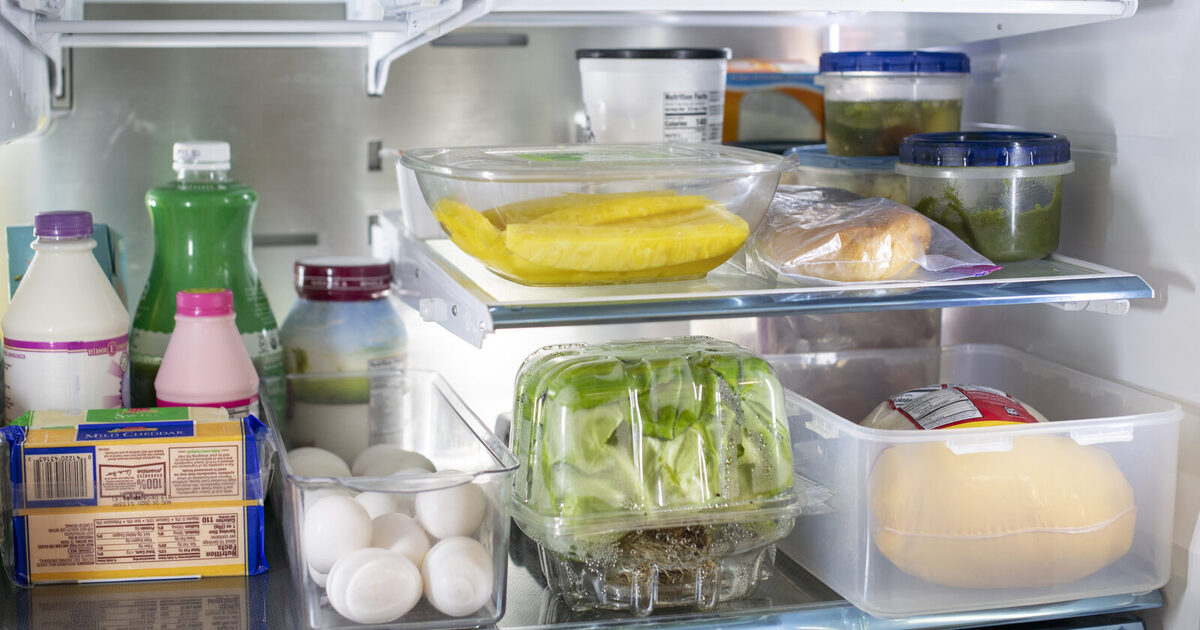
.jpg)
A refrigerator can run for long periods without being broken.
Normal reasons include:
- Hot weather
- Recent grocery loading
- Frequent door opening
- Defrost recovery
- Ice-making
- Warm food
- A recently installed appliance
Persistent operation becomes more concerning when the refrigerator cannot maintain temperature, uses much more electricity, overheats, leaks, or runs with abnormal sound.
Quick answer: Verify the actual refrigerator and freezer temperatures first. Then check the room temperature, door closure, airflow, settings, seals, clearances, recent loading, and model-specific maintenance. Do not diagnose the compressor from sound alone.
First verify food temperature
.jpg)
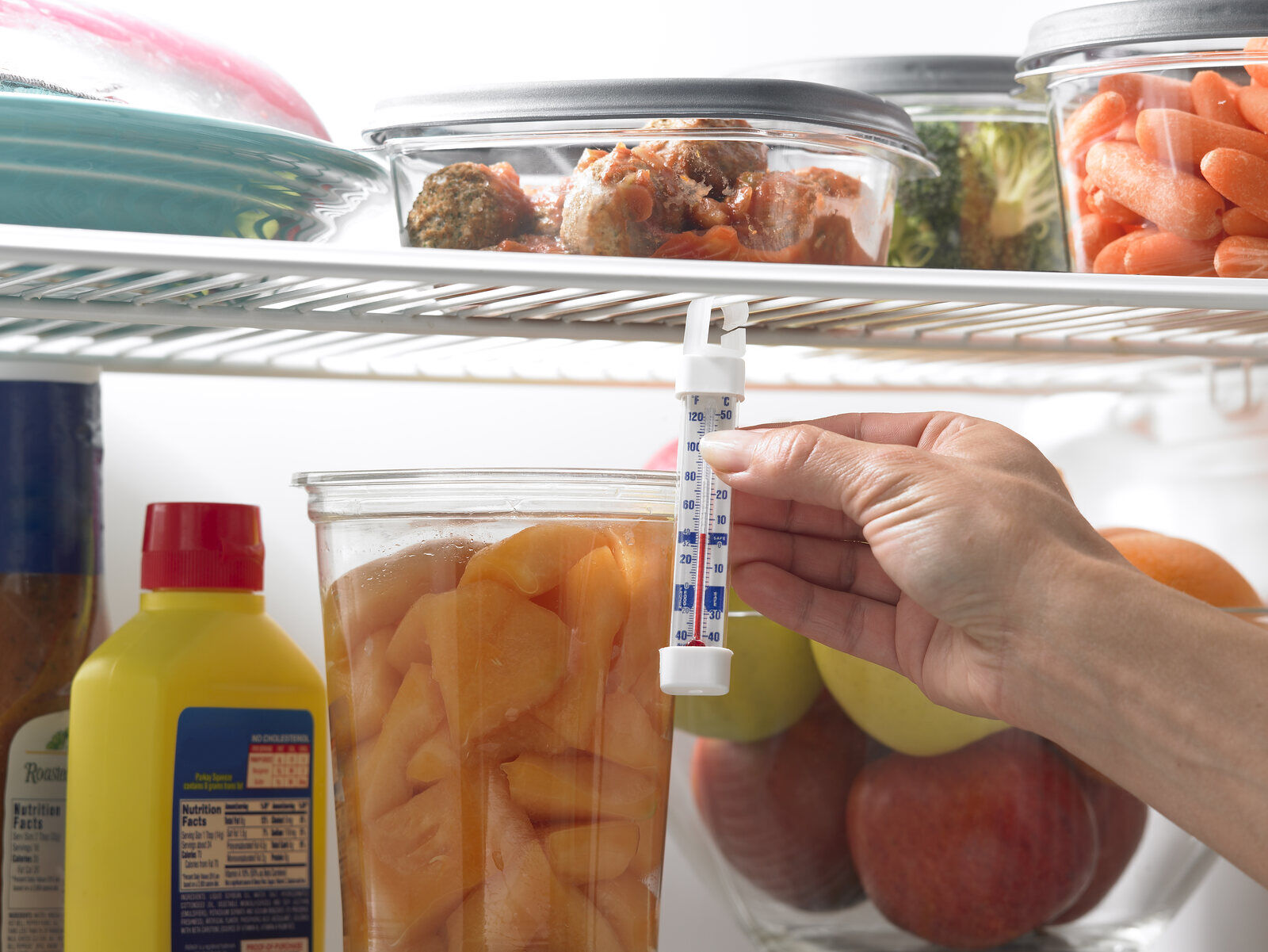
Use an appliance thermometer.
FDA recommends:
- Refrigerator: 40°F or below
- Freezer: 0°F[1]
If the refrigerator is above 40°F:
- Move vulnerable food to verified cold storage.
- Limit door opening.
- Begin troubleshooting immediately.
- Use the existing food-safety guidance when time above 40°F is unknown.
A cold-looking drink is not a measurement.
What “running” may mean
A refrigerator can produce several sounds:
- Compressor
- Condenser fan
- Evaporator fan
- Ice-maker motor
- Water valve
- Defrost movement
- Refrigerant flow
The compressor may stop while an internal fan continues.
Listen at different parts of the appliance and compare with the manual’s sound guide.
Do not put hands near moving fans or open service panels.
Recent installation
A refrigerator may need many hours to reach stable temperature after:
- Delivery
- Plug-in
- Door reversal
- Moving
- Long power outage
- Cleaning
- Temperature change
Follow the model’s stabilization time.
Do not fill a warm refrigerator with perishable food until temperature is verified.
Hot room
The appliance works harder when installed near:
- Oven
- Dishwasher
- Direct sun
- Radiator
- Boiler
- Hot garage
- Poorly ventilated alcove
ENERGY STAR recommends placing the refrigerator away from heat sources and providing the required clearance for air circulation.[2]
Use the exact manual for:
- Side clearance
- Top clearance
- Rear clearance
- Cabinet opening
- Ambient-temperature range
Door opening and loading
Long runtime may follow:
- Large grocery trip
- Warm leftovers
- Repeated browsing
- Children leaving the door open
- Door alarm ignored
- Ice production
- Beverage cooling
Let hot food stop steaming according to safe-food procedures, divide it into shallow containers, and refrigerate promptly.
Do not leave perishable food out for hours to reduce refrigerator runtime.
Temperature setting
A setting colder than needed increases compressor work.
ENERGY STAR recommends refrigerator temperatures around 35°F to 38°F, while FDA requires 40°F or below for food safety.[1][2]
Use an appliance thermometer.
Do not set the control by dial number alone.
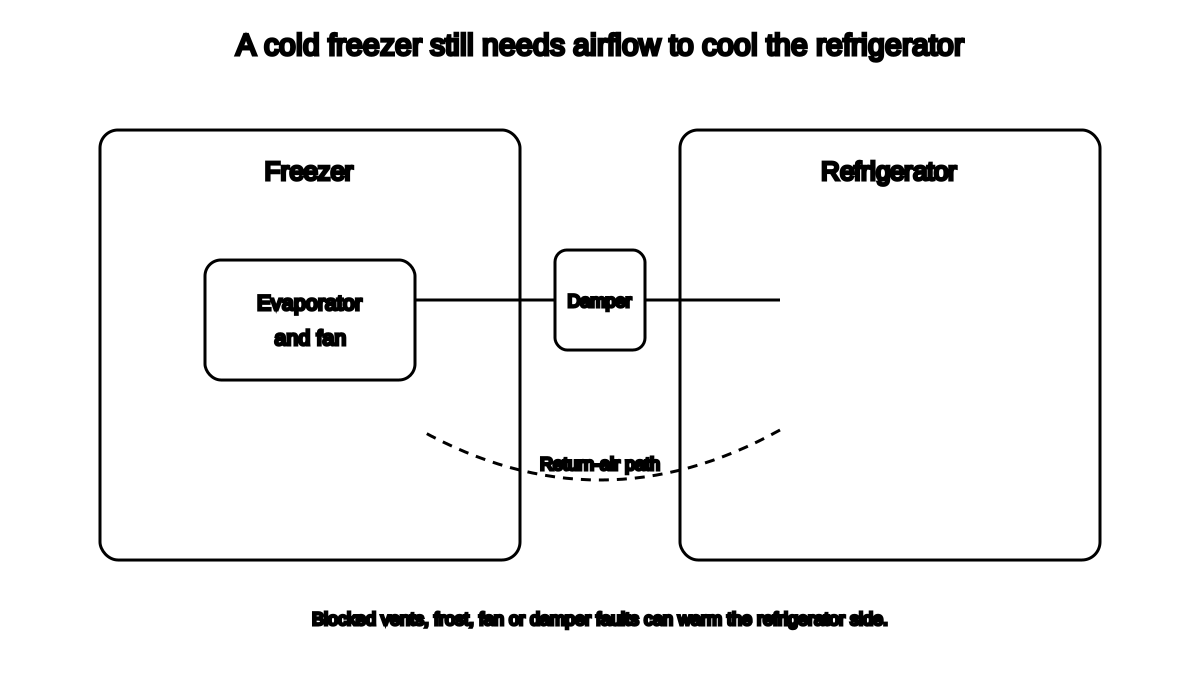
Internal airflow
Cold air needs to move around food.
Check:
- Food blocking vents
- Packages pressed against the back wall
- Overpacked shelves
- Frost around air outlets
- Drawer installed incorrectly
- Tall items blocking damper path
FDA warns against overpacking because cold air must circulate.[3]
Rearrange without leaving perishables warm.
Door seal
A damaged or obstructed gasket can allow warm moist air inside.
Check for:
- Food residue
- Torn gasket
- Folded gasket
- Misaligned door
- Container preventing closure
- Broken hinge
- Uneven floor
- Door not self-closing where designed
Clean the gasket with the method allowed by the manual.
Do not lubricate it with petroleum products unless instructed.
Exterior clearance and condenser area
Some models have exposed coils.
Others use enclosed condensers.
Use the manual before cleaning.
ENERGY STAR recommends maintaining required clearance and cleaning older-model coils when the manufacturer calls for it.[2]
Do not:
- Remove service panels
- Bend refrigerant tubing
- Vacuum electrical components while powered
- Assume every modern refrigerator has accessible coils
Defrost operation
Automatic defrost can produce longer runtime before or after the cycle.
Possible normal effects:
- Water sounds
- Popping
- Temporary temperature change
- Warm cabinet surface
- Defrost-pan evaporation
Persistent heavy frost, warm refrigerator temperature, or a fan striking ice suggests a fault.
See Why Is My Freezer Frosting Up?
Ice maker and dispenser
Ice production can increase runtime.
Check:
- Fast-ice setting
- Ice bin not full
- Door dispenser use
- Water supply
- Ice-room temperature
- Jammed mechanism
Turn off an unused ice maker only as the manual directs.
Do not disconnect water tubing casually.
When electricity use rises
Compare:
- Weather
- Electricity rate
- Refrigerator annual kWh
- Second refrigerator
- Dehumidifier or air conditioner use
- Door problem
- Temperature
- Defrost fault
Use the Appliance Electricity Cost Calculator or a safe compatible meter only when the refrigerator and meter support the connection.
A high household bill does not prove refrigerator failure.
Service indicators
Seek qualified service when:
- Refrigerator remains above 40°F
- Freezer cannot maintain 0°F
- Compressor never stops and cabinet is warm
- Repeated clicking occurs
- Burning odor appears
- Fan strikes ice
- Error code persists
- Door cannot seal
- Water reaches electrical areas
- Appliance trips the circuit
Frequently asked questions
Do modern refrigerators run most of the day?
Some high-efficiency models use long low-power cycles. There is no universal duty cycle.
Is the side of the refrigerator supposed to feel warm?
Some designs release heat through cabinet surfaces. Compare with the manual and watch for abnormal heat or odor.
Will cleaning coils stop constant running?
It may help on models with accessible dirty coils. Follow the exact manual.
Does a full refrigerator run less?
Thermal mass can reduce temperature swings, but overpacking blocks airflow. Do not use fullness as a precise energy strategy.
Should I unplug it to reset it?
Only when the manufacturer supports that step and food is protected.
Printable companion
Download the ungated Leftover Labels and Refrigerator Use-First List PDF. No email address is required.
Related guides
- Refrigerator Not Cooling but Freezer Works
- Why Is My Freezer Frosting Up?
- Why Is My Refrigerator Leaking Water?
- How Long Do Leftovers Last in the Fridge?
- How to Organize a Refrigerator for Food Safety and Less Waste
- How Much Does a Refrigerator Cost to Run?
- Do You Need a Refrigerator Thermometer? What to Look For
- How Long Is Food Safe in the Refrigerator Without Power?
- How to Calculate What an Appliance Costs to Run
- Repair or Replace an Appliance?
- Appliance Buying Checklist: Measurements, Hookups, Delivery, Warranty, and Recalls
Source notes
- Refrigerator Thermometers—Cold Facts about Food SafetyU.S. Food and Drug Administration
- RefrigeratorsENERGY STAR
- Are You Storing Food Safely?U.S. Food and Drug Administration
See something wrong or out of date? Report a correction.