
Cold vs. Warm vs. Hot Water for Laundry
Cold is the energy-saving default for ordinary lightly soiled laundry. Move to warm or hot based on fabric, soil, hygiene, detergent, and washer instructions, not because hot water is assumed to clean everything better.
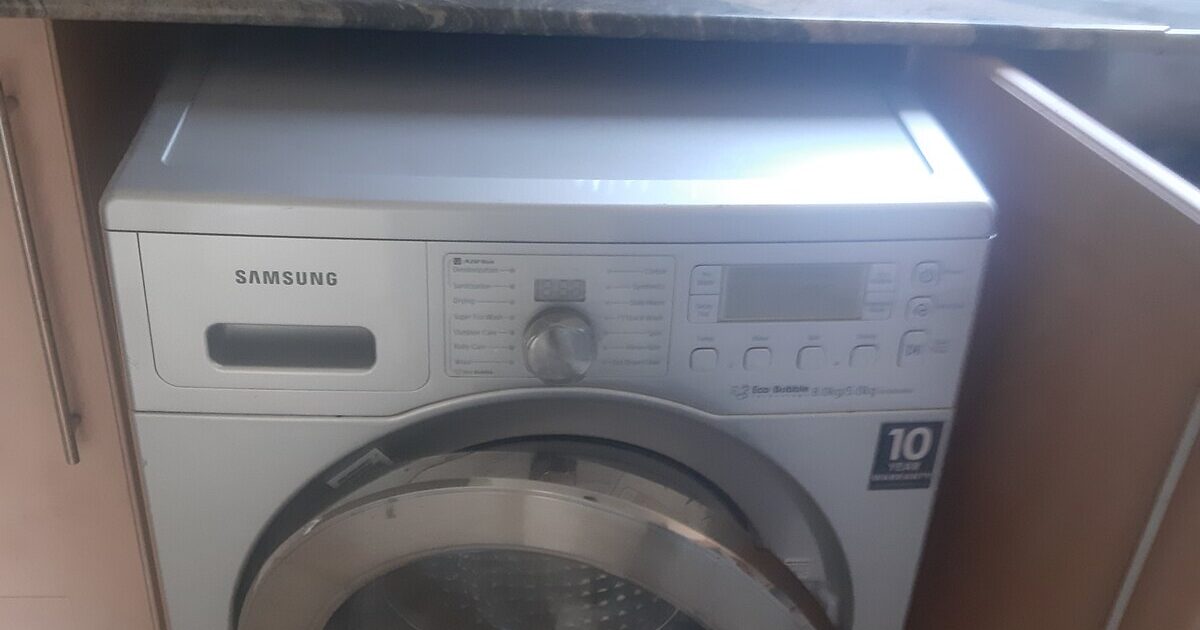

Use cold water for many ordinary loads.
Use warm or hot water when:
- Fabric-care label requires it
- Oily or greasy soil needs it
- A sanitation need is real
- Detergent instructions call for it
- The washer’s supported cycle is designed for it
Quick answer: Cold is the energy-saving default for ordinary lightly soiled laundry. Move to warm or hot based on fabric, soil, hygiene, detergent, and washer instructions, not because hot water is assumed to clean everything better.
Why temperature affects energy

ENERGY STAR states that water heating accounts for about 90% of the energy used to operate a clothes washer under its guidance assumptions.[1]
It also states:
- Hot to warm can cut energy use substantially.
- Cold reduces energy further.
- Cold generally cleans ordinary non-oily loads well.
The exact household result depends on:
- Water heater
- washer
- inlet temperature
- cycle
- detergent
- load
Read the care label
The care label governs:
- Maximum temperature
- Bleach
- agitation
- drying
- ironing
- dry cleaning
Do not use hot water on:
- shrink-prone fabric
- dark dye
- wool
- delicate elastic
- adhesive decoration
- item labeled cold
A ruined garment is not an energy-efficiency success.
Ordinary clothing

Cold water is a strong starting point for:
- T-shirts
- jeans
- socks
- casual clothing
- dark colors
- lightly soiled loads
- mixed colors when labels allow
Use a detergent designed to work in cold water.
Pretreat stains.
Oily soil
Warm or hot water may help with:
- cooking grease
- body oils
- mechanic soil
- heavy food soil
But check:
- Fabric label
- stain chemistry
- detergent
- pre-treatment
- dryer heat
Hot water can set some stains.
Towels and bedding
Temperature depends on:
- Care label
- household health
- soil
- detergent
- washer cycle
- color
A sanitation need should use a supported sanitation process, not a guessed hot-water setting.
ENERGY STAR advises avoiding the energy-intensive sanitary cycle unless needed.[1]
Illness and sanitation
For laundry from illness or contamination:
- Follow public-health guidance.
- Use gloves where advised.
- Use the washer’s sanitation cycle when appropriate.
- Use correct detergent.
- Dry completely.
- Clean hamper and surfaces.
Do not invent a household disinfection protocol from water temperature alone.
Detergent performance
Detergent may be formulated for:
- Cold water
- HE washer
- hard water
- enzyme cleaning
- concentrated dosing
Too much detergent can reduce rinsing and leave residue.
Use the product label and washer instructions.
Cold inlet in winter
Cold water may be much colder in winter.
Possible effects:
- Detergent dissolves slowly
- powder residue
- grease removal declines
- cycle takes longer
- washer blends warm water automatically
Some modern washers control “cold” to a minimum temperature.
Check the manual.
Rinse temperature
Many washers use cold rinse regardless of wash temperature.
Cold rinse generally saves energy and can be suitable because most cleaning occurs during wash.
Use model controls.
Color bleeding
New dark or bright items may bleed.
Use:
- Care label
- cold water
- separate load
- color-catching product only as supplementary, not a guarantee
Do not rely on one cold wash to prevent every dye transfer.
Decision table
| Laundry | Starting choice |
|---|---|
| Ordinary lightly soiled clothing | Cold |
| Dark colors | Cold |
| Delicates | Care label, often cold |
| Oily soil | Warm or label-guided |
| Towels and bedding | Label and hygiene need |
| Illness or sanitation | Supported sanitation guidance |
| White cotton | Label, soil, and detergent |
| Blood or protein stain | Often cold pretreatment |
Cost comparison
Use the washer’s annual energy data when possible.
A simple water-heating comparison requires:
- Gallons of hot water
- inlet temperature
- target temperature
- heater efficiency
- fuel rate
Do not publish a universal cents-per-load difference without those inputs.
Frequently asked questions
Does cold water kill germs?
Cold washing can clean ordinary laundry. Sanitation requires a validated process and may involve heat, detergent, bleach, or dryer conditions.
Is warm water safer for colors?
Not necessarily. Follow the label.
Does hot water shrink clothing?
It can contribute to shrinkage and dye loss in some fabrics.
Should I wash towels in hot water?
Use the care label and household hygiene need.
Does cold water leave detergent behind?
A suitable detergent and correct dose should work, but very cold water, powder, overload, or excess dose can cause residue.
Printable companion
Download the ungated Laundry Fire-Safety and Vent Log PDF. No email address is required.
Related guides
- Why Are Clothes Taking So Long to Dry?
- How Often Should You Clean a Dryer Vent?
- Why Does My Front-Load Washer Smell?
- How Much Laundry Detergent Should You Use?
- Air-Drying vs. Clothes Dryer: Cost, Time, and Fabric Tradeoffs
- How Much Does a Washing Machine Cost Per Load?
- How Much Does an Electric Dryer Cost Per Load?
- What Humidity Should Your House Be?
- How Much Does a Dehumidifier Cost to Run?
- How to Read an EnergyGuide Label
- Repair or Replace an Appliance?
Source notes
- Clothes WashersENERGY STAR
See something wrong or out of date? Report a correction.