
Why Does My Front-Load Washer Smell?
Remove laundry promptly, use the correct HE detergent dose, clean the gasket and dispenser, run the exact manufacturer cleaning cycle, inspect the approved filter area, and let the empty washer dry safely between loads.

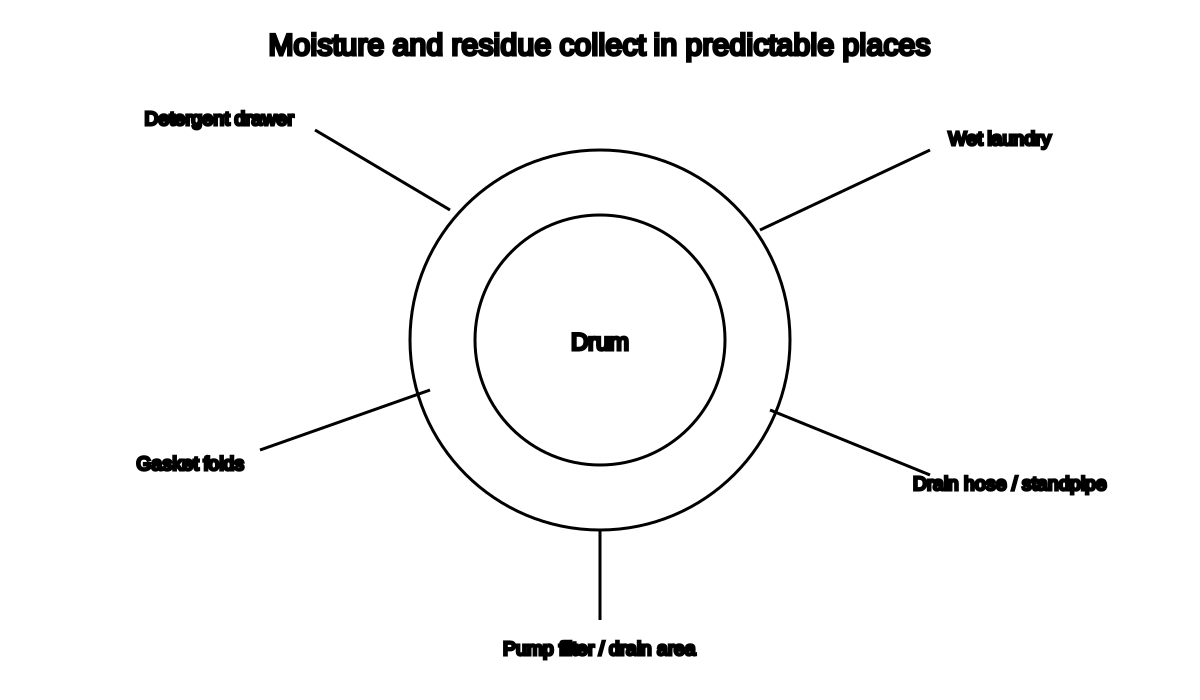
Front-load washer odor usually develops where moisture and residue remain:
- Door gasket
- detergent drawer
- drum
- pump filter
- drain path
- wet laundry
- excess detergent
Quick answer: Remove laundry promptly, use the correct HE detergent dose, clean the gasket and dispenser, run the exact manufacturer cleaning cycle, inspect the approved filter area, and let the empty washer dry safely between loads.
Why front-loaders retain moisture
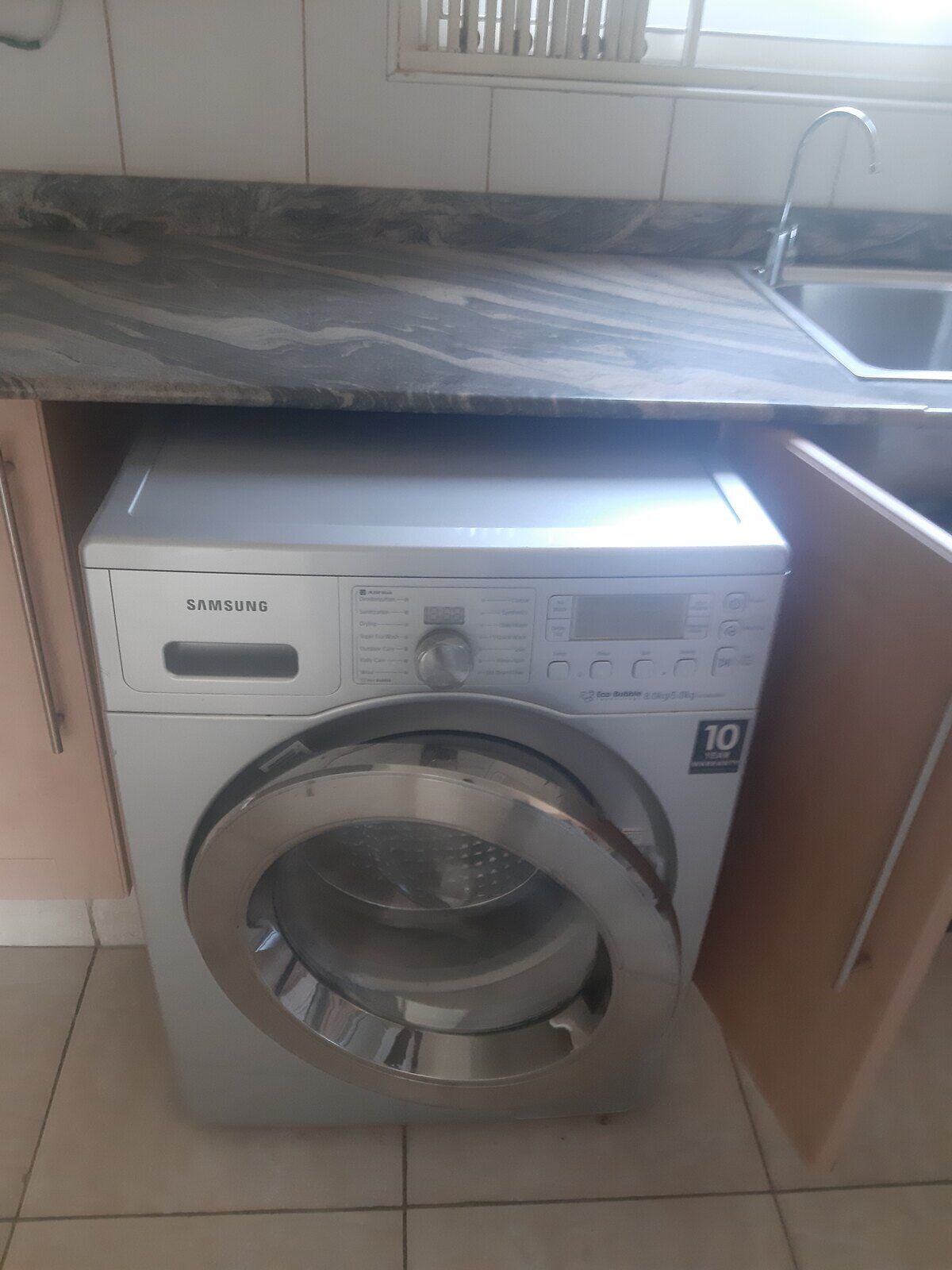

The door uses a watertight gasket.
After the cycle, water can remain in:
- Gasket folds
- dispenser
- drum
- hose
- pump area
- filter
- door glass
Detergent and fabric-softener residue can feed odor-causing buildup.
Remove wet laundry
Wet clothing left in the drum can smell and transfer odor to the washer.
Move it promptly.
If clothing smells musty:
- Rewash according to fabric instructions.
- Dry promptly.
- Do not cover the odor with more fragrance.
Use HE detergent

High-efficiency washers require low-sudsing HE detergent.
Whirlpool states that non-HE detergent can leave film and contribute to odor.[1]
Use:
- Correct product
- Correct concentration
- Correct dose
- Load-size adjustment
- Soil adjustment
- Water-hardness guidance
More detergent does not mean cleaner clothing.
Clean the gasket
Inspect folds for:
- Hair
- lint
- coins
- small clothing
- residue
- standing water
- discoloration
- damage
Use the exact manual.
A typical safe process may include:
- Empty washer.
- Wear gloves when instructed.
- Remove loose debris.
- Wipe with approved cleaner.
- Rinse.
- Dry.
- Leave door in approved drying position.
Do not pull the gasket aggressively.
A torn gasket can leak.
Do not mix cleaners
Never mix:
- Bleach and ammonia
- Bleach and vinegar
- Bleach and acids
- Multiple washer cleaners
- Unknown products
Toxic gas can result.
Use one approved method.
Some models do not permit bleach in every component.
Clean the dispenser
Remove when the manual allows.
Clean:
- Detergent compartment
- softener compartment
- bleach compartment
- siphon caps
- recess
- channels
Rinse and dry.
Automatic-dosing systems require their own maintenance.
Do not put concentrated cleaner into a reservoir unless approved.
Run the cleaning cycle
Use:
- Clean Washer
- Tub Clean
- Drum Clean
- Self Clean
- Manufacturer-equivalent cycle
Follow:
- Required cleaner
- Empty-drum rule
- frequency
- water temperature
- ventilation
- post-cycle wipe
ENERGY STAR advises following manufacturer maintenance instructions and leaving a front-loader ajar after use where safe.[2]
Door position
Leaving the door ajar can help moisture evaporate.
But:
- Children must not climb inside.
- Pets must be kept out.
- Door must not create an obstruction.
- Some models use a fan or dry-drum cycle and have different instructions.
Use the manual and household safety plan.
Pump filter
Some front-loaders have an owner-cleanable pump filter.
Others do not.
Before opening:
- Read manual.
- Turn power off as instructed.
- Expect water.
- Protect floor.
- Use shallow pan.
- Avoid hot water.
- Reinstall seal correctly.
A poorly seated filter can leak.
Do not access a non-user-serviceable pump.
Drain hose
Odor may come from:
- Improper standpipe insertion
- sewer gas
- blocked drain
- siphoning
- slow drain
- kink
- hose residue
Plumbing installation must follow:
- Washer manual
- standpipe requirements
- local code
Do not seal a drain hose airtight unless the installation calls for it.
Washer location
A humid laundry room slows drying.
Use:
- Ventilation
- dehumidifier where appropriate
- repaired leaks
- dryer vented outside
A dehumidifier does not clean washer residue.
Damage or persistent odor
Seek service when:
- Gasket is torn
- Water remains in drum
- Drain error occurs
- Sewer odor persists
- Internal mold is inaccessible
- Repeated cleaning fails
- Washer leaks
- Electrical odor appears
Frequently asked questions
Should I use vinegar?
Only when the washer manufacturer permits it. Vinegar can damage some seals and must never be mixed with bleach.
Can too much detergent cause odor?
Yes. Excess detergent can leave residue.
Should I leave the door open?
Often ajar, where the manufacturer and household safety permit it.
How often should I run the cleaning cycle?
Use the exact model interval. Some manufacturers use monthly or about every 30 cycles.
Does black residue mean mold?
It may be mold, residue, soil, or gasket deterioration. Clean safely and obtain service when damage persists.
Printable companion
Download the ungated Laundry Fire-Safety and Vent Log PDF. No email address is required.
Related guides
- Why Are Clothes Taking So Long to Dry?
- How Often Should You Clean a Dryer Vent?
- Cold vs. Warm vs. Hot Water for Laundry
- How Much Laundry Detergent Should You Use?
- Air-Drying vs. Clothes Dryer: Cost, Time, and Fabric Tradeoffs
- How Much Does a Washing Machine Cost Per Load?
- How Much Does an Electric Dryer Cost Per Load?
- What Humidity Should Your House Be?
- How Much Does a Dehumidifier Cost to Run?
- How to Read an EnergyGuide Label
- Repair or Replace an Appliance?
Source notes
- Removing Odors or Smells - Front Load WasherWhirlpool
- Clothes WashersENERGY STAR
See something wrong or out of date? Report a correction.