
Heat Pump vs. Standard Electric Water Heater
Heat-pump water heaters can use much less electricity, but they need an appropriate installation space, airflow, condensate route, temperature range, maintenance, and enough storage for household demand.
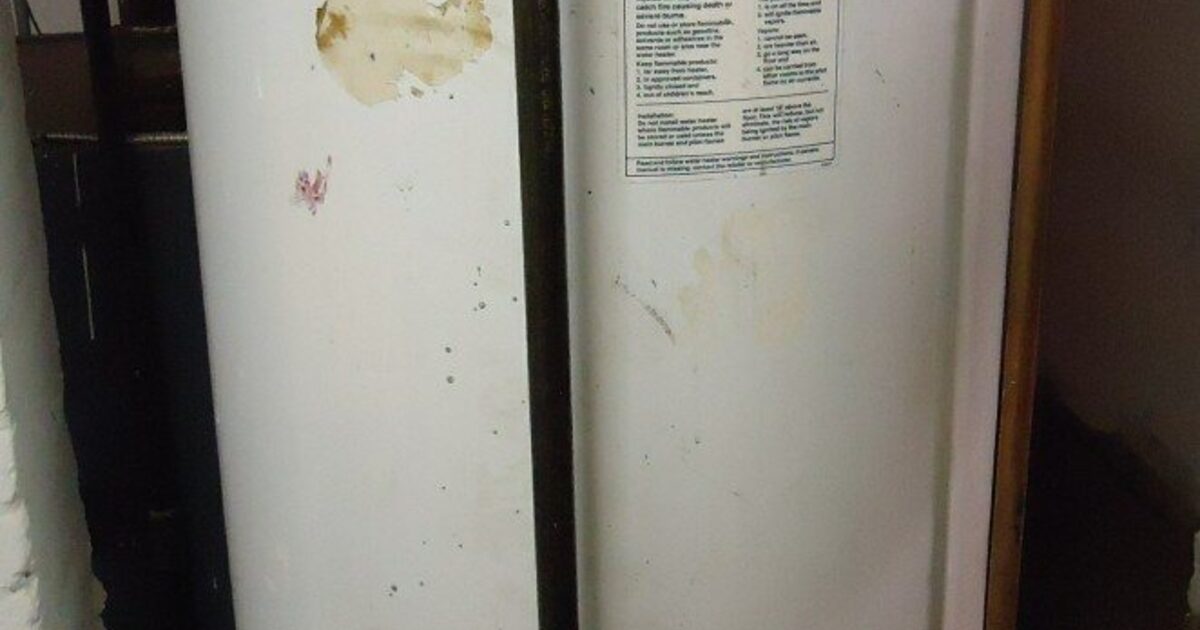

A standard electric water heater creates heat in resistance elements.
A heat-pump water heater moves heat from surrounding air into the tank and may use resistance elements during higher demand.
Quick answer: Heat-pump water heaters can use much less electricity, but they need an appropriate installation space, airflow, condensate route, temperature range, maintenance, and enough storage for household demand.
Standard electric resistance
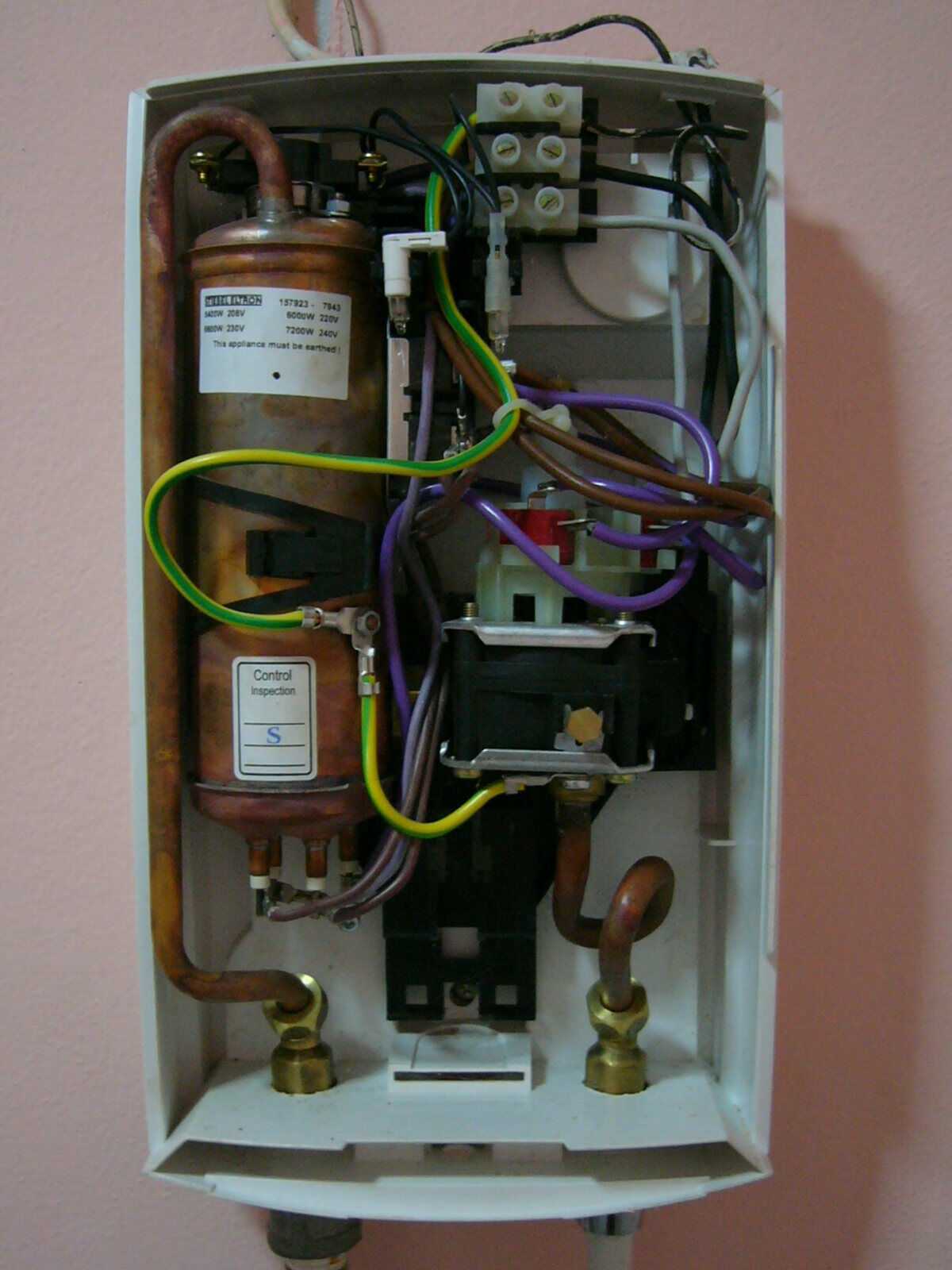

A conventional electric storage heater uses electrical resistance elements inside the tank.
Advantages:
- Simple operating principle
- Quiet
- No room-air requirement
- No condensate
- Familiar service
- Predictable recovery from element rating
Limitations:
- Higher electricity use
- No heat-pump efficiency
- Finite tank
- Standby loss
Heat-pump operation
ENERGY STAR describes a heat-pump water heater as a refrigerator in reverse:
- A refrigerator removes heat from a box.
- A heat-pump water heater removes heat from surrounding air.
- It transfers that heat into the water.[1]
This can provide more water-heating energy than the electrical energy directly supplied to the compressor and fan.
Hybrid backup
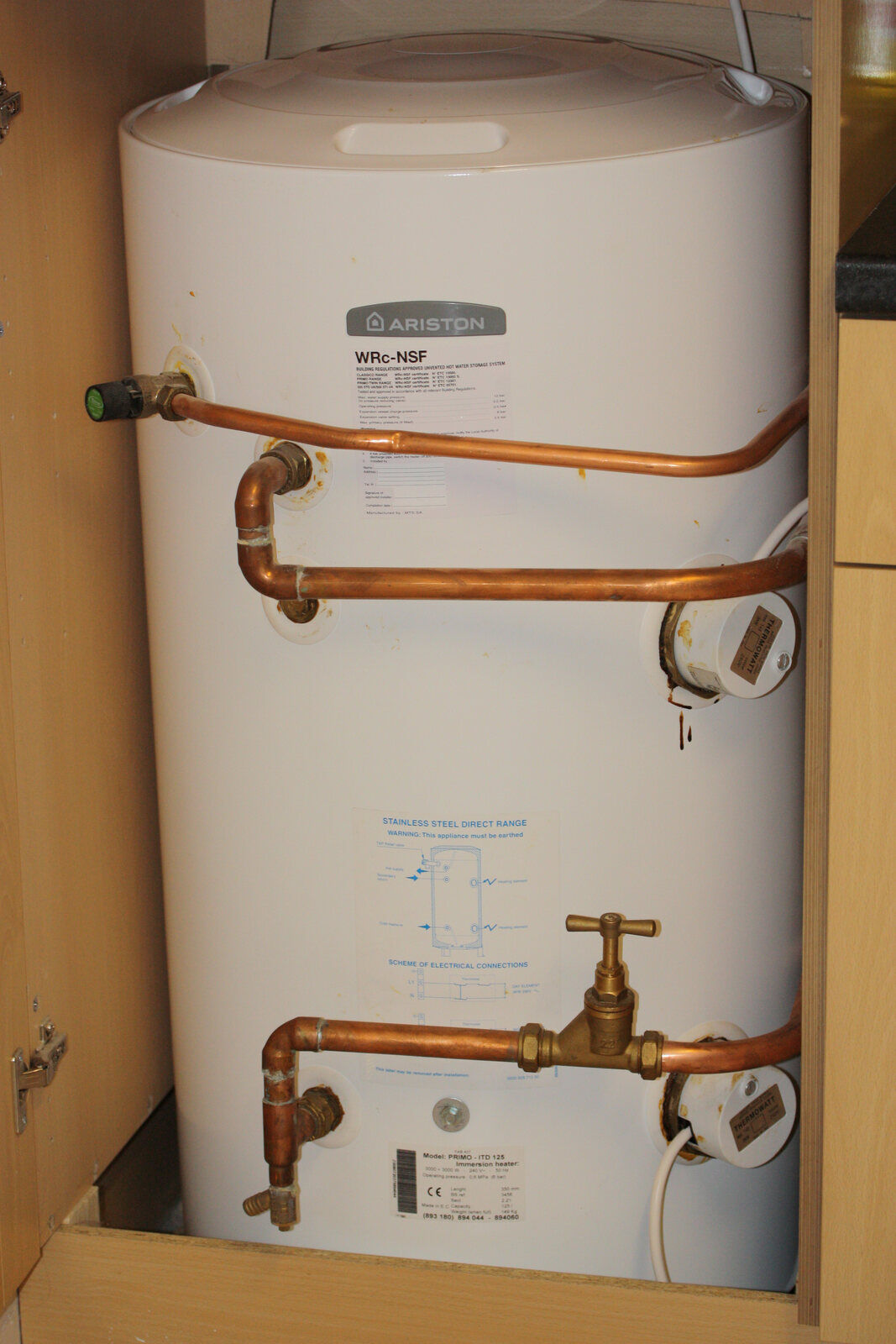

Many units offer modes such as:
- Efficiency
- Hybrid
- Electric
- Vacation
During high demand, resistance elements may operate.
A household that lives in electric-only mode loses much of the heat-pump advantage.
Mode names and behavior differ by manufacturer.
Installation space
The unit needs:
- Sufficient air volume
- Clear inlet and outlet
- Suitable temperature
- Condensate drain
- Stable floor
- Electrical circuit
- Service access
- Filter access
A small sealed closet may require ducting or may be unsuitable.
Use exact manufacturer requirements.
Room cooling and dehumidification
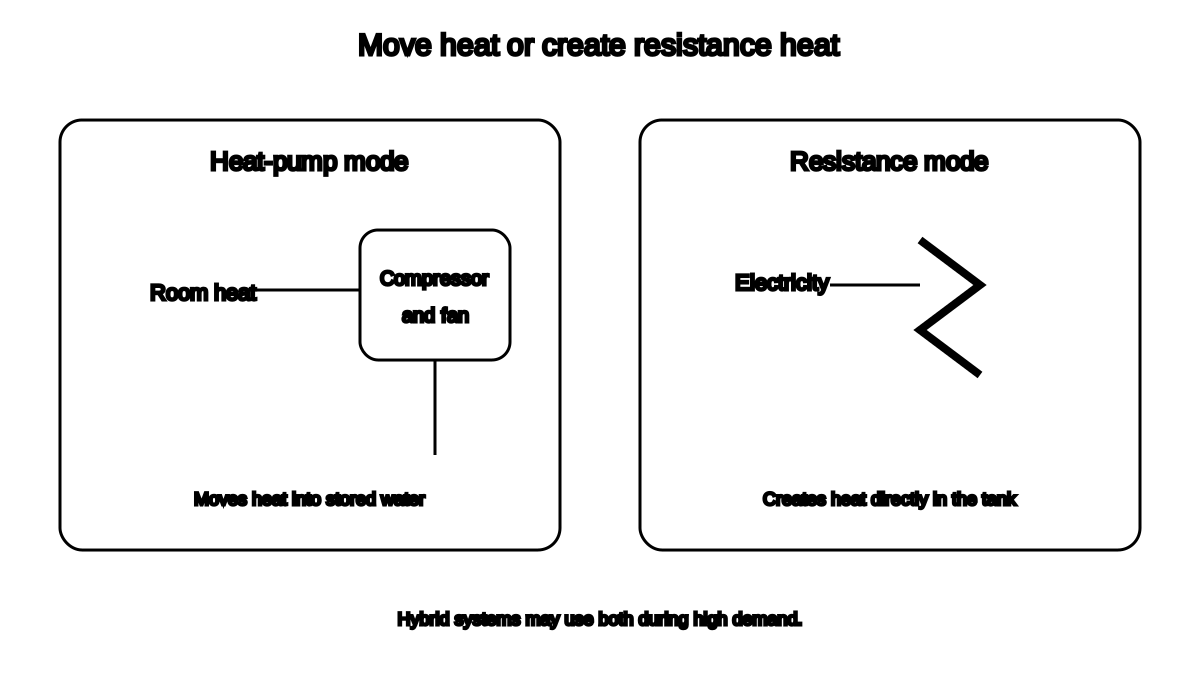
A heat-pump water heater:
- Removes heat from surrounding air
- Produces cooler discharge air
- Removes some moisture
- Generates condensate
This may be useful in a warm basement.
It may be undesirable in:
- Cold living space
- Small laundry closet
- Heating-dominated room
- Area with sensitive stored items
Do not market it as a free air conditioner or dehumidifier. Its primary purpose is water heating.
Condensate
The system needs a reliable condensate path.
Options may include:
- Gravity drain
- Condensate pump
- Floor drain
- Approved plumbing connection
The drain must be:
- Correctly sloped
- Protected from blockage
- Protected from freezing
- Installed to code
- Accessible
A leaking condensate line can damage the building.
Noise
Heat-pump models use:
- Compressor
- fan
- airflow
Check rated sound and installation location.
A utility room beside a bedroom may require special consideration.
Do not rely on subjective “quiet” claims.
Recovery and tank size
Efficiency mode can recover more slowly than resistance heating.
A larger tank may allow the household to:
- Store more hot water
- Avoid resistance backup
- Shift heating to lower-rate periods
- Handle peak use
Consider:
- Occupants
- Shower patterns
- Bath
- laundry
- dishwasher
- First Hour Rating
- operating mode
Cold spaces
Heat-pump performance can decline in a cold room.
The unit may:
- Use more resistance heat
- Recover slowly
- Stop heat-pump operation below a threshold
- Need ducting
Use the model’s approved ambient range.
Do not install it in a freezing location.
Laundry-room chemicals
DOE warns that vapors from products such as bleach, detergents, and fabric softeners can be corrosive near heat-pump water heaters, and flammable vapors can be hazardous.[2]
Follow clearance and storage instructions.
Do not store gasoline, solvents, or flammable liquids nearby.
Filter maintenance
Heat-pump units have an air filter.
DOE notes that the filter must be cleaned according to the manual.[2]
A dirty filter can reduce airflow and efficiency.
Record:
- Cleaning interval
- Alarm
- filter location
- damage
- unusual noise
Electrical service
Replacement may require:
- 240-volt circuit
- Circuit size
- Panel capacity
- Disconnect
- Wiring
- Permit
Some newer products use different electrical configurations.
Do not assume the old resistance-heater circuit fits every replacement.
Cost comparison
Compare:
| Cost | Resistance | Heat pump |
|---|---|---|
| Purchase | ||
| Delivery | ||
| Installation | ||
| Electrical work | ||
| Condensate | ||
| Ducting | ||
| Annual kWh | ||
| Maintenance | ||
| Rebate | ||
| Expected ownership period |
Do not subtract a rebate until eligibility is verified.
Frequently asked questions
Does a heat-pump water heater work in winter?
It can, within its approved ambient range. Cold-room performance and resistance backup matter.
Will it cool the basement?
It removes heat from surrounding air, but exact room effect depends on operation and space.
Is it loud?
It has a compressor and fan. Check model sound data and location.
Does it need a drain?
It produces condensate and needs an approved drainage method.
Is it always cheaper?
Operating electricity may be lower, but installation and household use determine total economics.
Printable companion
Download the ungated Water Heater Inspection and Replacement Checklist PDF. No email address is required.
Related guides
- What Temperature Should a Water Heater Be Set To?
- How Much Does a Water Heater Cost to Run?
- Why Does My Hot Water Run Out So Fast?
- Tank vs. Tankless Water Heater: Which Is Better for Your Home?
- Is My Water Heater Leaking? What to Check and When to Shut It Down
- How to Calculate What an Appliance Costs to Run
- How to Read an EnergyGuide Label
- ENERGY STAR vs. EnergyGuide
- Repair or Replace an Appliance?
- Appliance Buying Checklist: Measurements, Hookups, Delivery, Warranty, and Recalls
Source notes
- How Heat Pump Water Heaters WorkENERGY STAR
- Purchasing Energy-Efficient Residential Water HeatersDOE FEMP
- Heat Pump Water HeatersENERGY STAR
See something wrong or out of date? Report a correction.