
Is My Water Heater Leaking? What to Check and When to Shut It Down
If water is actively spreading, reaching electrical components, accompanied by gas odor, coming from a ruptured tank, or causing structural damage, shut off water and energy only when you can do so safely and call qualified service.
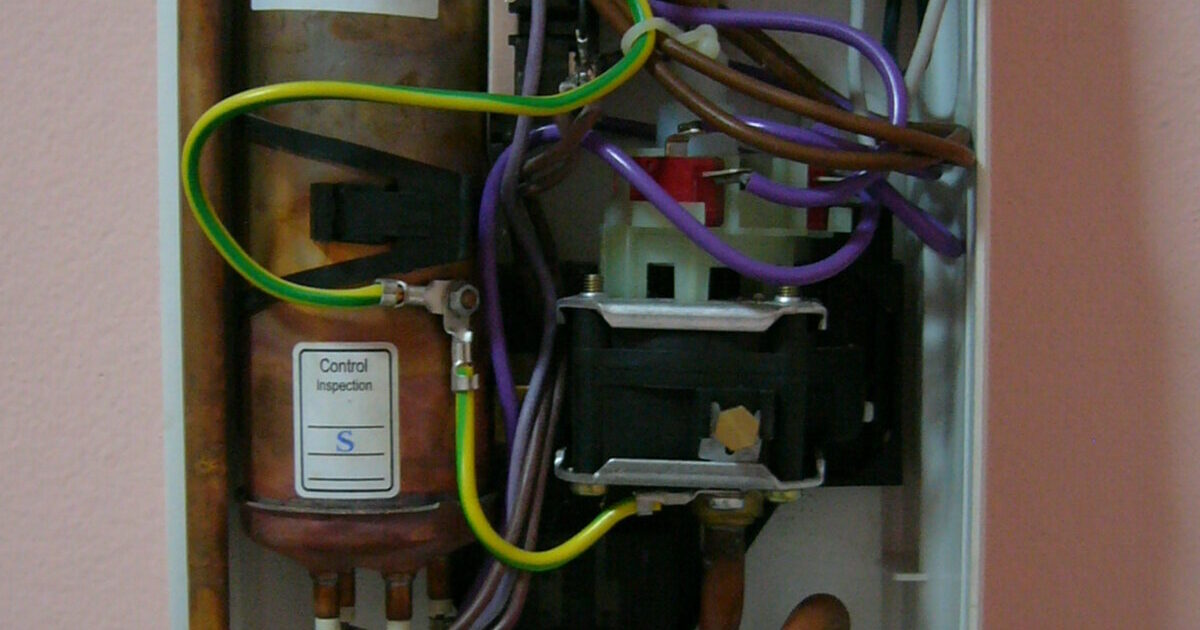

Water around a water heater may come from:
- Plumbing above the unit
- Cold-water connection
- Hot-water connection
- Relief-valve discharge
- Drain valve
- Condensate
- Drain pan
- Tank body
- Nearby appliance
- Floor or foundation water
Treat water near electricity, gas, combustion, or a hot pressure vessel as a safety problem.
Quick answer: If water is actively spreading, reaching electrical components, accompanied by gas odor, coming from a ruptured tank, or causing structural damage, shut off water and energy only when you can do so safely and call qualified service.
Immediate safety triage
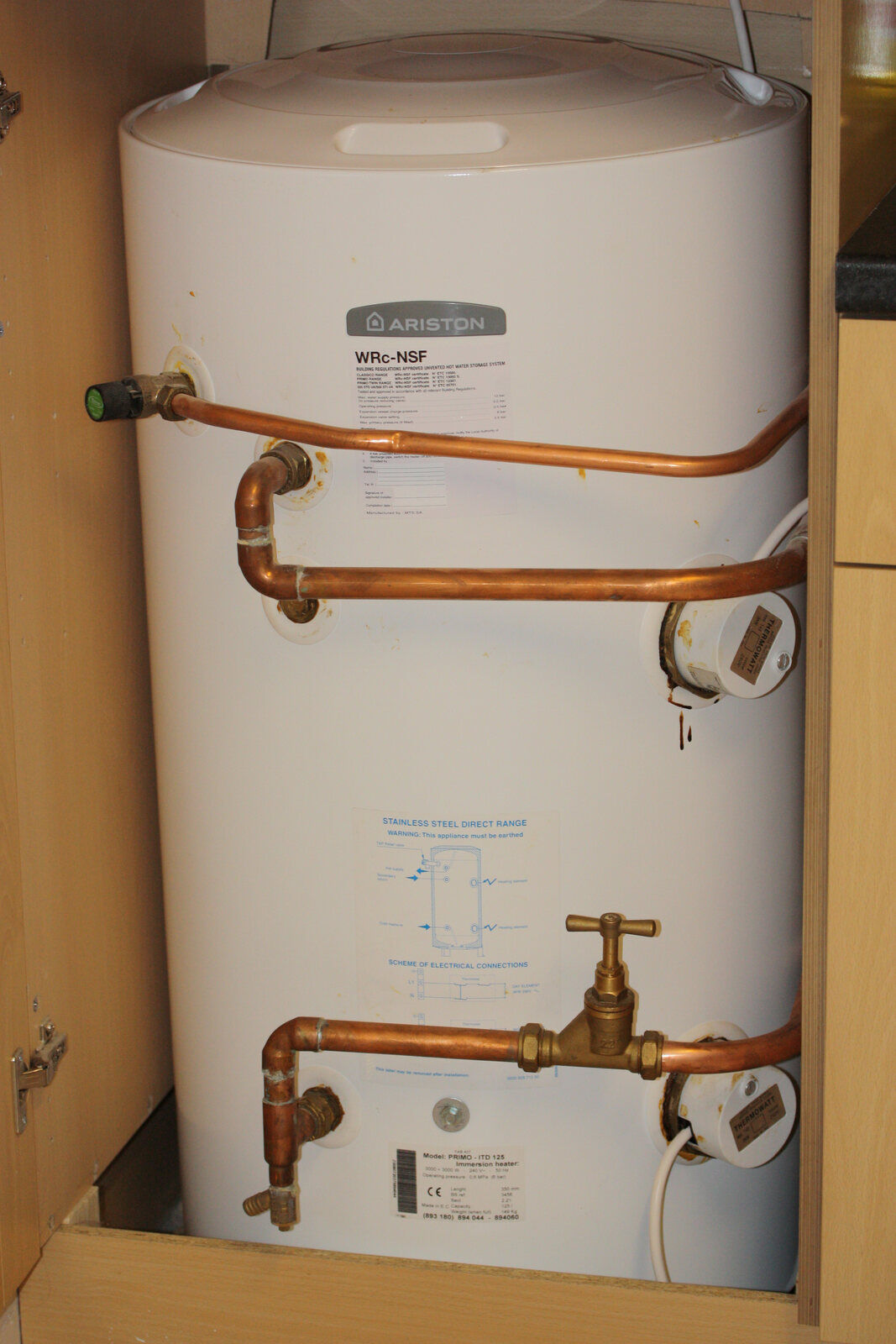

Leave and call emergency services or the utility when:
- Gas odor is present
- CO alarm sounds
- Smoke or fire appears
- Electrical arcing occurs
- Water reaches energized equipment
- The tank is bulging
- Scalding water is spraying
- Relief discharge is uncontrolled
- Ceiling or floor is failing
Do not step into water to reach a breaker.
Do not operate switches in a gas-filled area.
Stop the water when safe
Possible shutoff points:
- Cold-water valve above the heater
- Main household water valve
- Local isolation valve
A corroded valve may break.
Do not force it.
If the leak is severe and the valve will not move, use the main shutoff or call emergency plumbing.
Stop energy when safe
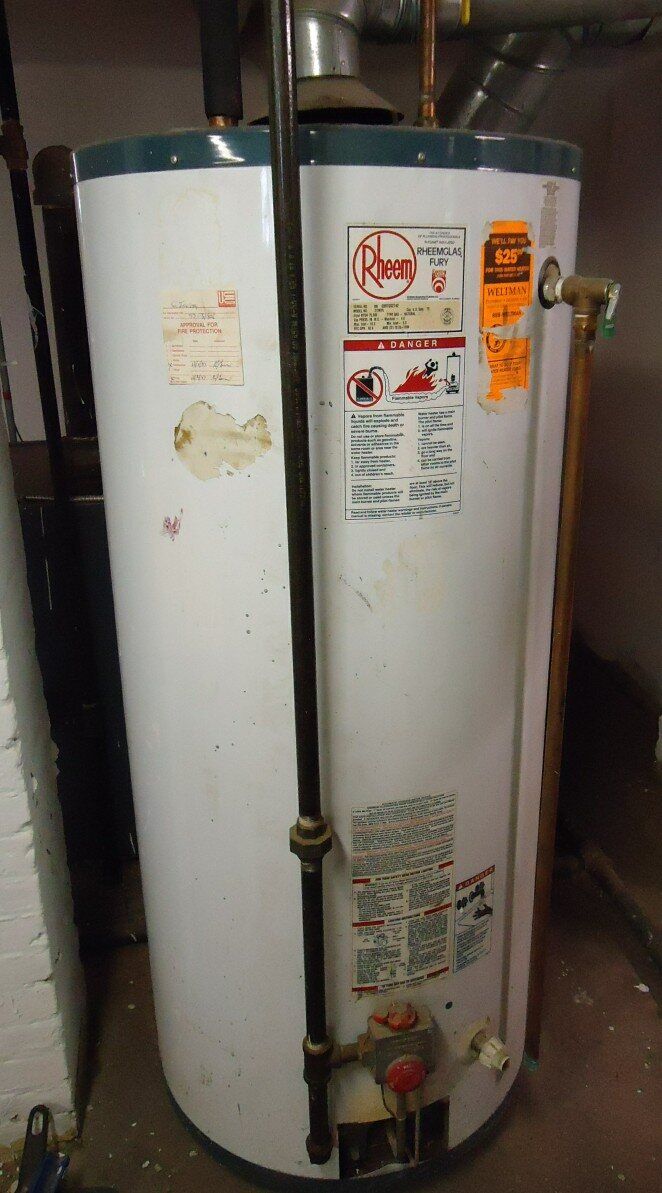

Electric
Use the labeled breaker only when:
- Hands and floor are dry
- Panel is accessible
- No arcing or flooding exists
- Circuit is correctly identified
Gas
Use manufacturer and utility guidance.
Gas odor requires leaving rather than searching for controls.
Do not close or adjust gas components you cannot identify.
Dry the area and trace the first wet point
Water runs downward and sideways.
Dry accessible surfaces, then observe where moisture first reappears.
Use:
- Flashlight
- Paper towel
- Dry cloth
- Photograph
- Moisture sensor
Do not remove insulated or energized covers.
Plumbing above the heater
Common sources:
- Pipe joint
- Shutoff valve
- Flex connector
- Expansion tank
- Union
- Ceiling leak
- Condensation on cold pipe
Water from above can make the tank appear to leak.
Qualified plumbing repair may save an otherwise sound heater.
Hot- and cold-water connections
Check externally for:
- Beading water
- Corrosion
- Mineral deposit
- Drip at threaded joint
- Damaged flexible connector
- Wet insulation
Do not tighten corroded fittings under pressure without preparation.
A small movement can turn a seep into a break.
Temperature and pressure relief valve
The TPR valve is a critical safety device.
Water may appear at:
- Valve body
- Discharge pipe
- End of discharge pipe
- Drain pan
Possible causes include:
- Thermal expansion
- Excess pressure
- Excess temperature
- Debris
- Failing valve
- Improper system design
Never:
- Cap the discharge pipe
- Plug the valve
- Tie the lever shut
- Reduce the pipe improperly
- Ignore repeated discharge
Qualified diagnosis is required.
Drain valve
The drain valve may seep after:
- Maintenance
- accidental contact
- Age
- Sediment
- Incomplete closure
Do not remove or replace it while the tank is hot, pressurized, and full.
A professional can determine whether repair is safe.
Condensate
Possible condensate sources:
- Heat-pump water heater
- Condensing gas heater
- Vent system
- Nearby HVAC equipment
- Cold pipe
Check externally:
- Drain line
- Trap
- Pump
- slope
- blockage
- frozen section
Condensate should follow an approved route.
Standing water is not normal.
Drain pan
A drain pan may collect water from:
- Slow heater leak
- plumbing leak
- condensate
- relief discharge
- nearby equipment
Check whether the pan drain is:
- Connected
- Open
- Sloped
- Terminated appropriately
A pan is damage control, not a repair.
Tank-body leak
A leak through:
- Seam
- Weld
- Corroded shell
- Bottom
- Pressure vessel
generally means replacement.
Do not patch, weld, seal, or drill the pressure vessel.
A tank that has begun leaking can fail more severely.
Document the leak
Record:
- Model
- Serial
- Installation date
- Leak location
- Photographs
- Video
- Water damage
- Shutoff time
- Service call
- Warranty
- Insurance or landlord notice
Do not publish serial numbers or addresses.
Renting
Notify the landlord or property manager promptly.
Use the emergency maintenance process when:
- Active leak
- No hot water
- gas concern
- electrical concern
- building damage
Document the notice.
Do not perform unauthorized plumbing or gas work.
Frequently asked questions
Is water under the heater always a leaking tank?
No. Plumbing, relief discharge, condensate, or another appliance may be responsible.
Can a leaking tank be repaired?
A pressure-vessel leak generally requires replacement.
Why does the relief pipe drip?
Pressure, expansion, temperature, debris, or valve failure may be involved. Never cap it.
Should I turn off the breaker?
Only when you can reach the correct breaker safely without entering water or an electrical hazard.
Can I keep using the heater?
Not when the leak is active, electrical, gas-related, structural, or from the tank body. Obtain qualified advice.
Printable companion
Download the ungated Water Heater Inspection and Replacement Checklist PDF. No email address is required.
Related guides
- What Temperature Should a Water Heater Be Set To?
- How Much Does a Water Heater Cost to Run?
- Why Does My Hot Water Run Out So Fast?
- Tank vs. Tankless Water Heater: Which Is Better for Your Home?
- Heat Pump vs. Standard Electric Water Heater
- How to Calculate What an Appliance Costs to Run
- How to Read an EnergyGuide Label
- ENERGY STAR vs. EnergyGuide
- Repair or Replace an Appliance?
- Appliance Buying Checklist: Measurements, Hookups, Delivery, Warranty, and Recalls
Source notes
See something wrong or out of date? Report a correction.