
Tank vs. Tankless Water Heater: Which Is Better for Your Home?
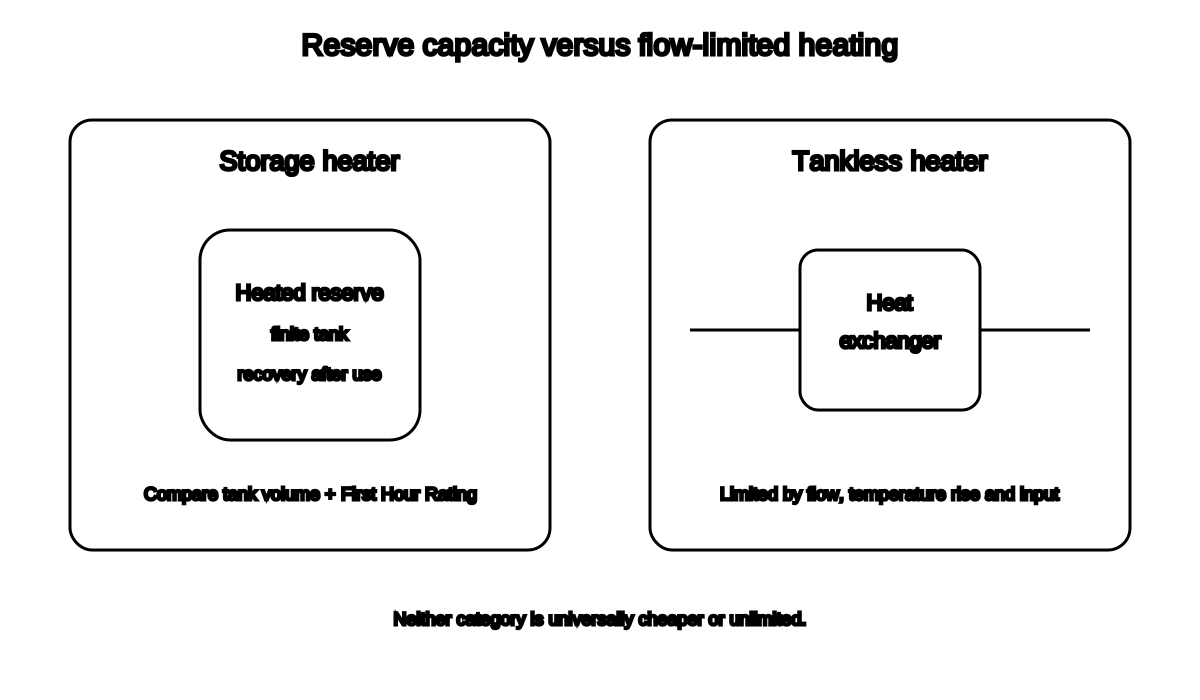
Choose from the home’s peak hot-water demand and infrastructure. Tankless can reduce storage standby loss, but it is not unlimited. Storage systems can serve high short-term demand, but the tank can run out.
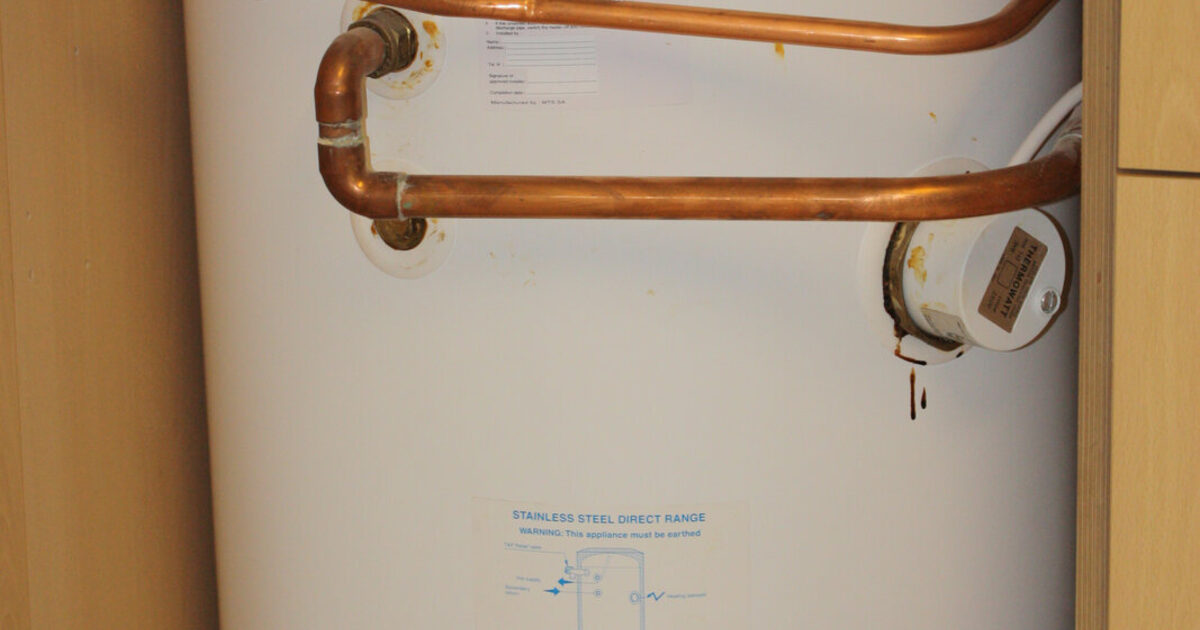

A storage water heater keeps a reserve of hot water.
A tankless water heater heats water as it flows through the unit.
The better category depends on:
- Simultaneous fixture demand
- Fuel
- Electrical or gas service
- Venting
- Temperature rise
- Installation space
- Maintenance
- Purchase cost
- Household behavior
Quick answer: Choose from the home’s peak hot-water demand and infrastructure. Tankless can reduce storage standby loss, but it is not unlimited. Storage systems can serve high short-term demand, but the tank can run out.
Storage water heaters
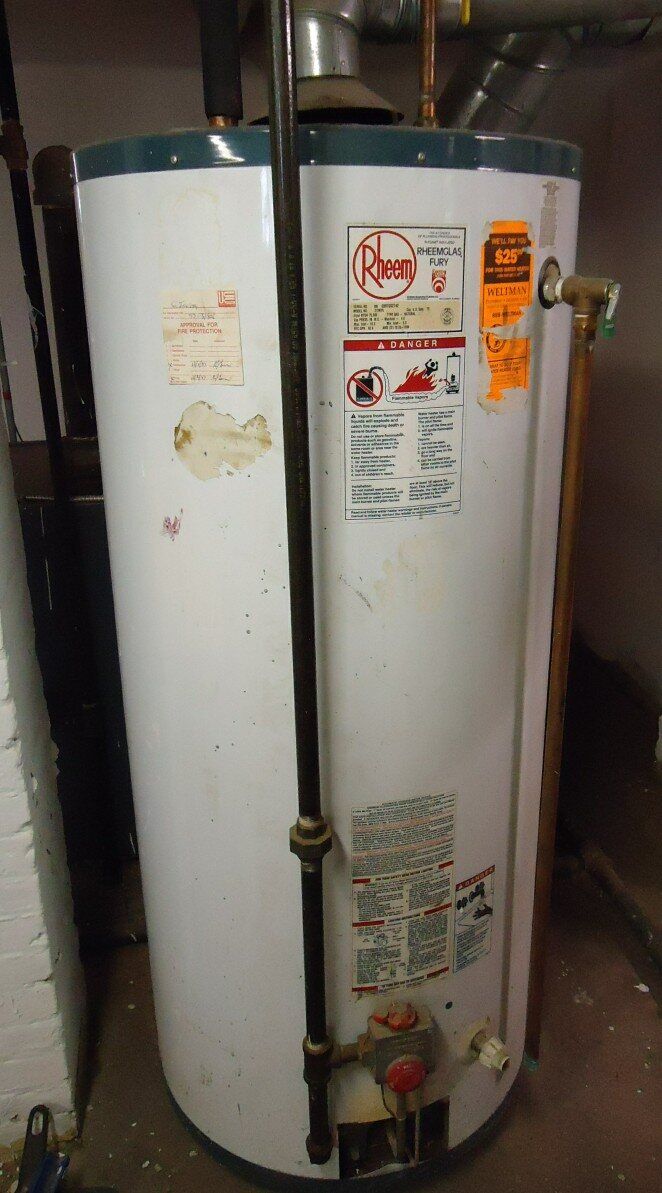

A storage unit:
- Fills a tank.
- Heats the stored water.
- Maintains temperature.
- Reheats after use.
Advantages:
- Stored reserve
- Familiar installation
- Strong short-duration delivery
- Lower replacement complexity in like-for-like jobs
- Broad service availability
Limitations:
- Standby heat loss
- Tank footprint
- Finite reserve
- Leak risk
- Recovery delay
Tankless water heaters
A tankless unit:
- Detects water flow.
- Activates a burner or electric element.
- Heats water as it passes.
- Stops when flow ends.
ENERGY STAR describes whole-home gas tankless equipment as using a flow sensor, burner, heat exchanger, and dedicated venting.[1]
Advantages:
- No storage-tank standby loss
- Compact wall-mounted installation
- Continuous operation within rated flow
- Potential longer serviceable design in some models
Limitations:
- Flow limit
- Temperature-rise limit
- High input requirement
- Venting or electrical upgrades
- Minimum activation flow
- Scale maintenance
- Possible cold-water sandwich
- Higher installation cost
“Endless” hot water is conditional
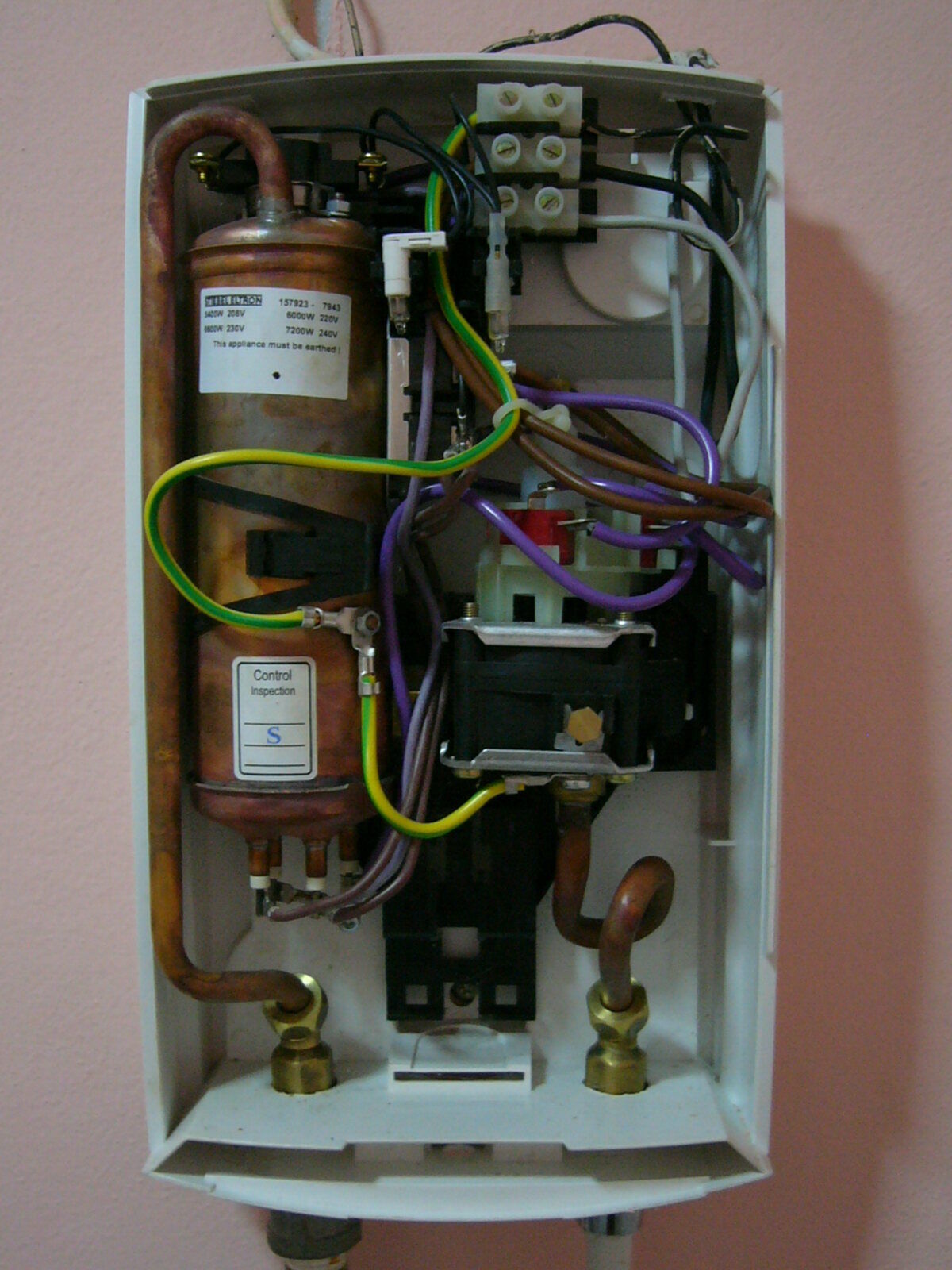

A tankless unit can continue heating while:
- Flow remains within capacity
- Fuel or electrical input is available
- Inlet water is within design conditions
- Venting works
- Scale does not restrict the heat exchanger
It cannot provide unlimited gallons per minute.
A shower, dishwasher, and tub may exceed the unit’s capacity.
Temperature rise
Temperature rise is:
Outlet temperature
-
inlet temperature
Example:
- Desired outlet: 120°F
- Winter inlet: 45°F
120 - 45 = 75^\circF riseA unit may provide fewer gallons per minute at 75°F rise than at 45°F rise.
Use the manufacturer’s flow chart for the actual region and fuel input.
Simultaneous flow
Estimate:
- Shower
- Bath filler
- Sink
- Dishwasher
- Clothes washer
Do not add fixture labels blindly.
Actual flow depends on:
- Pressure
- Fixture
- valve
- aerator
- household use
A qualified installer should calculate peak demand.
Gas tankless infrastructure
A gas tankless installation may require:
- Larger gas line
- Gas meter review
- Sealed vent
- Combustion air
- Condensate drain
- Electrical outlet
- Freeze protection
- Exterior termination clearance
- Permit
ENERGY STAR notes that condensing gas tankless units require venting and condensate drainage.[1]
Do not assume an existing storage-heater gas line is adequate.
Electric tankless infrastructure
Whole-home electric tankless equipment may require:
- Several high-amperage circuits
- Large electrical service
- Panel space
- Heavy conductors
- Utility capacity
- Permit
- Professional installation
A point-of-use electric heater is not equivalent to a whole-home unit.
Do not recommend electric tankless without service-load calculation.
Storage capacity and First Hour Rating
Storage units should be compared using:
- Tank volume
- First Hour Rating
- Recovery
- Fuel input
- Household peak
ENERGY STAR defines First Hour Rating as an estimate of maximum gallons available in an hour beginning with a fully heated tank.[2]
A smaller high-input tank may outperform a larger slow-recovery tank during some use patterns.
Efficiency
Compare similar categories using:
- UEF
- Annual energy use
- Local fuel rate
- Recirculation
- Standby
- Maintenance
Tankless equipment can reduce standby loss.
A recirculation loop that keeps lines hot can erase some savings.
Do not publish a universal percentage.
Hard water and maintenance
Scale can reduce:
- Heat transfer
- Flow
- Efficiency
- Service life
Tankless heat exchangers may require descaling.
Storage tanks may require:
- Anode inspection
- Sediment maintenance
- Relief-valve review
- Drain-pan inspection
Use the exact manual and local water conditions.
Power outages
Most modern gas tankless units require electricity for:
- Ignition
- Controls
- fan
- freeze protection
A conventional atmospheric gas storage heater may or may not operate during an outage depending on its controls.
Do not promise hot water during a power outage without exact model evidence.
Decision matrix
| Household condition | Stronger starting category |
|---|---|
| High short-term demand | Storage with suitable First Hour Rating |
| Long low-flow use | Tankless may fit |
| Limited wall/floor space | Tankless |
| Existing adequate storage installation | Like-for-like storage may cost less |
| Electrical service is limited | Avoid whole-home electric tankless |
| Gas line and vent need major upgrades | Include infrastructure cost |
| Hard water | Include maintenance and treatment |
| Large family with simultaneous showers | Calculate peak flow carefully |
| Heat-pump opportunity | Compare heat-pump storage separately |
Frequently asked questions
Is tankless always more efficient?
No. Fuel, design, use, recirculation, and installation matter.
Can tankless run two showers?
Only when the exact unit supports the total flow at the required temperature rise.
Does tankless mean instant hot water at the faucet?
No. Water still travels through the pipe unless point-of-use or recirculation is used.
Is tankless cheaper to install?
Often not when gas, electrical, vent, or condensate upgrades are required.
Which lasts longer?
Service life depends on water quality, maintenance, installation, support, and design. Do not use a universal number without product evidence.
Printable companion
Download the ungated Water Heater Inspection and Replacement Checklist PDF. No email address is required.
Related guides
- What Temperature Should a Water Heater Be Set To?
- How Much Does a Water Heater Cost to Run?
- Why Does My Hot Water Run Out So Fast?
- Heat Pump vs. Standard Electric Water Heater
- Is My Water Heater Leaking? What to Check and When to Shut It Down
- How to Calculate What an Appliance Costs to Run
- How to Read an EnergyGuide Label
- ENERGY STAR vs. EnergyGuide
- Repair or Replace an Appliance?
- Appliance Buying Checklist: Measurements, Hookups, Delivery, Warranty, and Recalls
Source notes
See something wrong or out of date? Report a correction.