
How Much Does a Water Heater Cost to Run?
Use the exact EnergyGuide label or certified model data. Do not calculate a storage water heater by multiplying its element or burner rating by 24 hours. Heating cycles, hot-water demand, standby loss, inlet temperature, setpoint, and equipment type change actual use.
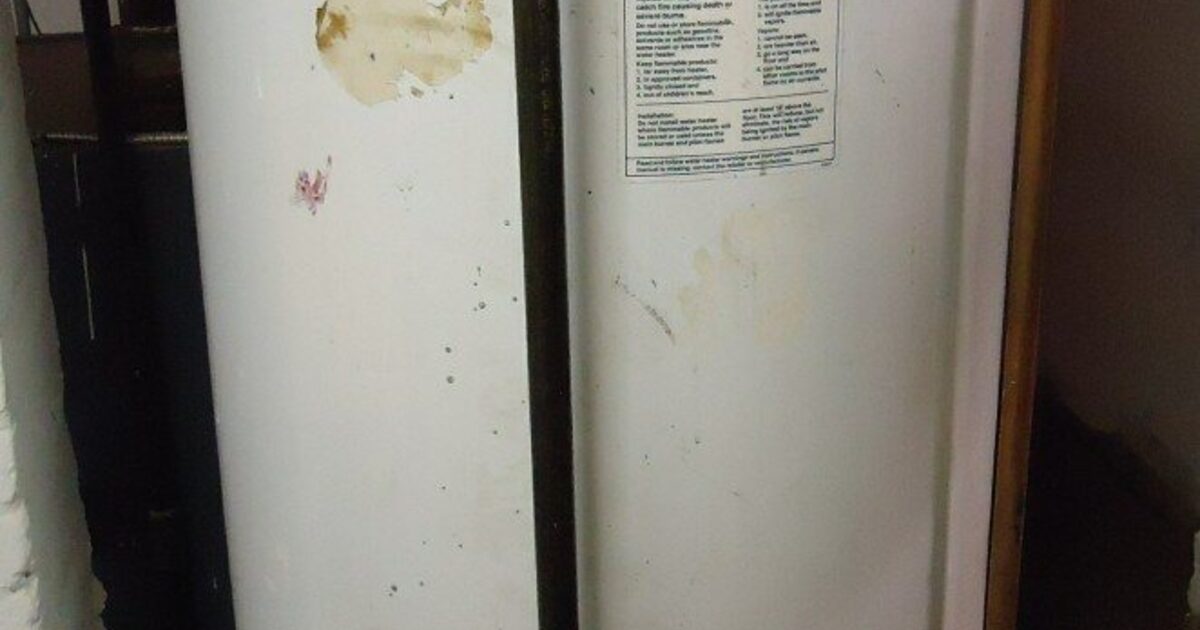

Calculate water-heater operating cost from the model’s annual energy use and the household’s local fuel rate.
For an electric water heater:
Annual cost
=
annual kWh
\times
electricity price per kWh
For a natural-gas water heater:
Annual cost
=
annual therms
\times
gas price per therm
Quick answer: Use the exact EnergyGuide label or certified model data. Do not calculate a storage water heater by multiplying its element or burner rating by 24 hours. Heating cycles, hot-water demand, standby loss, inlet temperature, setpoint, and equipment type change actual use.
Identify the water-heater type
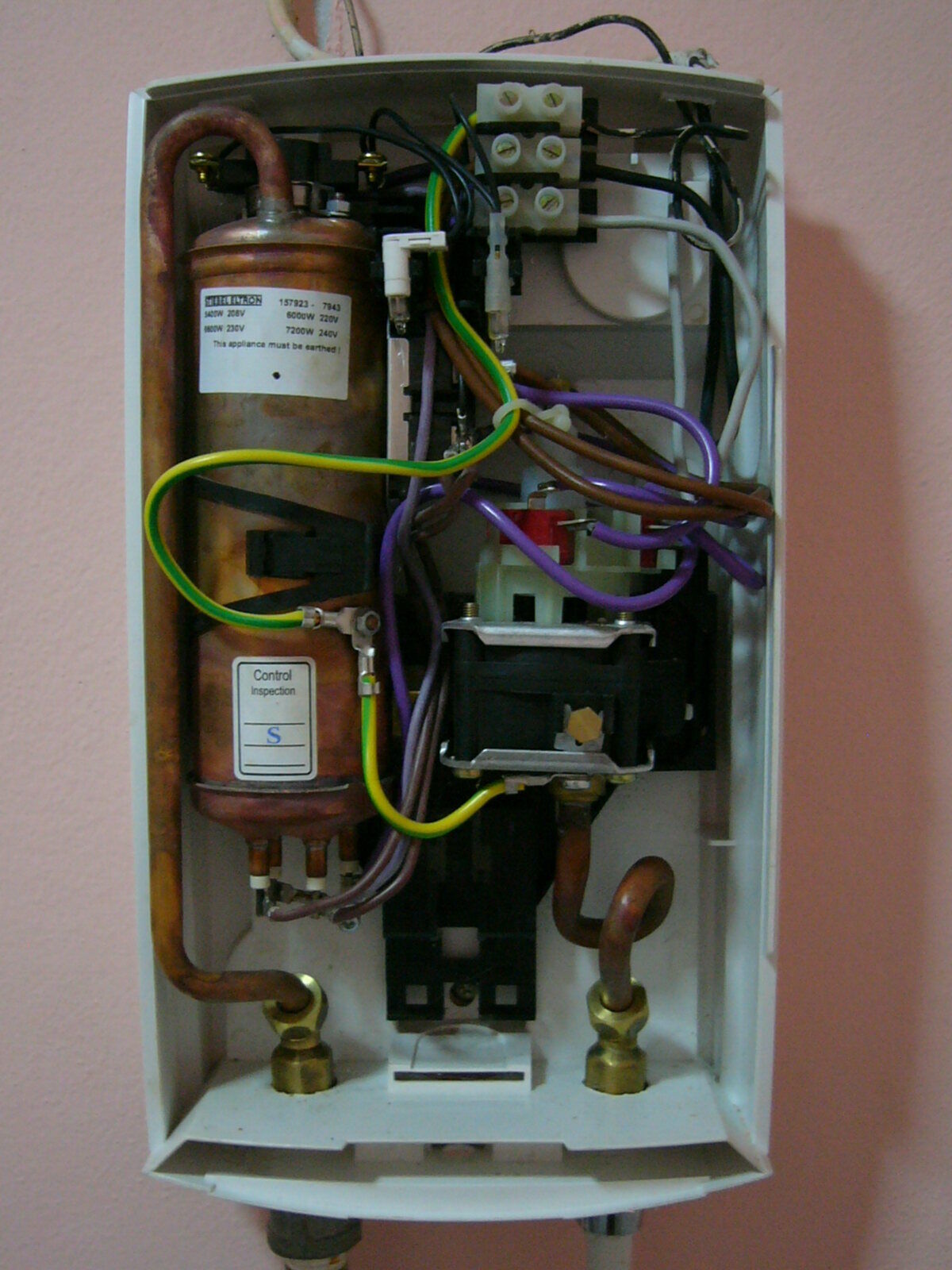

Common residential systems include:
- Standard electric storage
- Heat-pump water heater
- Gas storage
- Gas tankless
- Electric tankless
- Solar with backup
- Indirect water heater
- Point-of-use heater
Each uses different energy data.
Do not compare:
- Electric kWh
- Gas therms
- Propane gallons
- Fuel-oil gallons
without converting costs and identifying assumptions.
Use the EnergyGuide label
For covered products, the yellow EnergyGuide label provides standardized energy-use and operating-cost information.
Use the energy-consumption number with your own rate.
The printed operating-cost estimate uses a national fuel-price assumption and standardized hot-water use.
Your household cost can differ because of:
- Occupancy
- Shower length
- Fixture flow
- Laundry
- Dishwasher
- Inlet-water temperature
- Setpoint
- Standby loss
- Pipe loss
- Recirculation
- Fuel rate
Electric storage example
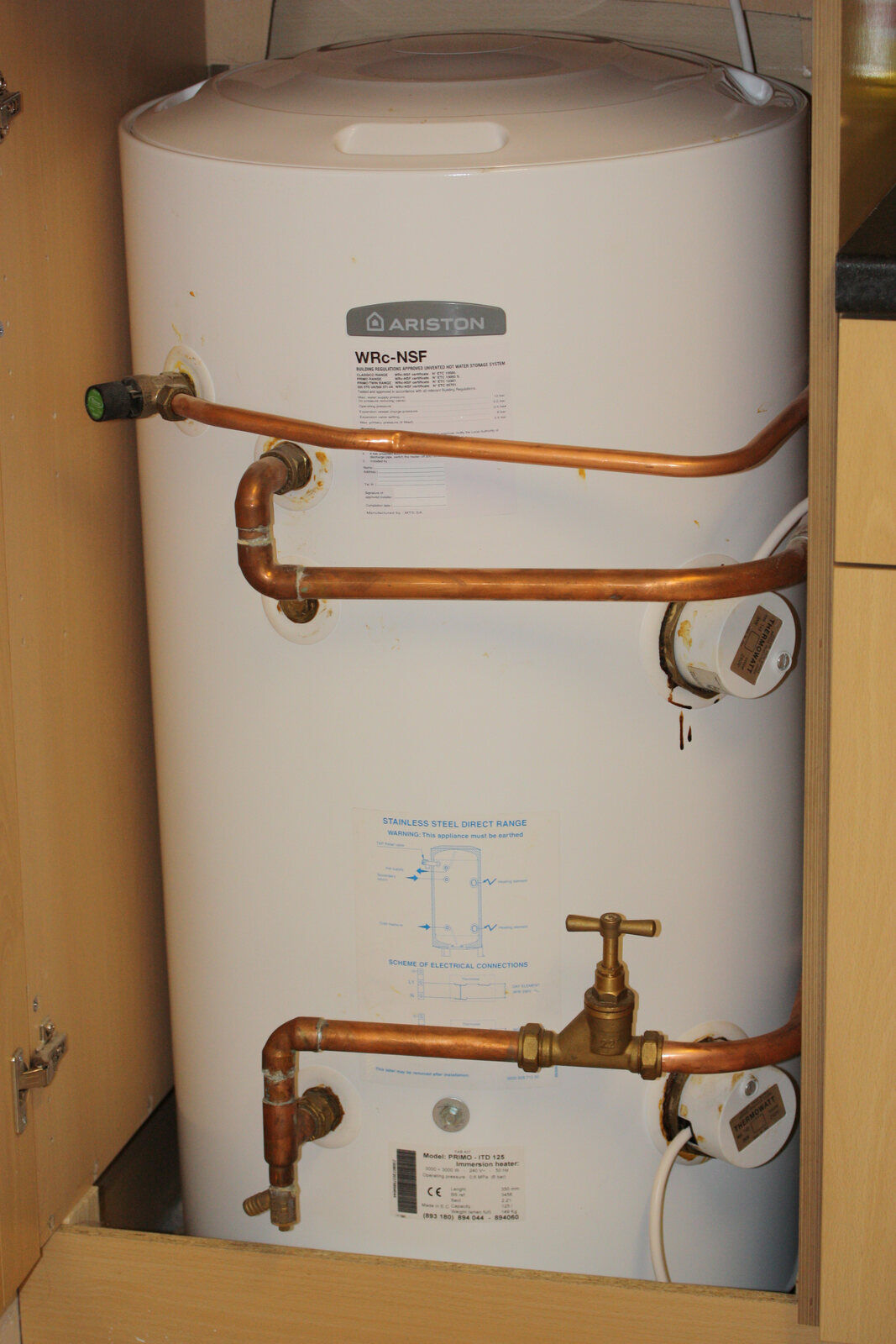

Suppose the label shows:
- 3,500 kWh per year
- Local rate: $0.1844 per kWh
3(,)500 \times \$0.1844
=
\$645.40
Monthly average:
\$645.40 \div 12
=
\$53.78
This is a hypothetical worked example. Use the exact model data.
Heat-pump water heater
Heat-pump water heaters use electricity to move heat from surrounding air into stored water.
They may also use electric resistance elements during:
- High demand
- Recovery
- Cold conditions
- Certain operating modes
ENERGY STAR describes them as hybrid systems because they can switch to resistance heat.[1]
Cost depends on:
- Heat-pump mode
- Hybrid mode
- Electric mode
- Room temperature
- Airflow
- Filter condition
- Household demand
- Tank size
- Condensate and installation
Do not use one coefficient or savings percentage for every climate and mode.
Gas storage
Gas-storage cost requires:
- Annual therm use
- Gas rate
- Fixed gas charge
- Electricity used by controls, fan, or power vent
- Pilot behavior where applicable
For appliance-specific operating cost, separate the variable gas charge from the fixed monthly charge that remains even when use changes.
A high fixed charge can make total household billing differ substantially from the marginal cost of one therm.
Tankless gas
Tankless units avoid storage standby loss but still consume energy during hot-water draws.
Cost depends on:
- Flow rate
- Temperature rise
- Simultaneous fixtures
- Burner modulation
- Condensing or noncondensing design
- Maintenance
- Gas rate
- Electric controls
- Recirculation
ENERGY STAR explains that whole-home gas tankless units use a flow sensor to activate the burner and heat water as it passes through the heat exchanger.[2]
A tankless unit is not “free while idle” when recirculation, freeze protection, controls, or standby modes use energy.
UEF
Uniform Energy Factor is the current standardized overall-efficiency metric for residential water heaters.
ENERGY STAR states:
- Higher UEF means greater efficiency.
- UEF is determined under DOE’s test procedure.
- Storage and instantaneous products are evaluated under product-specific classifications.[3]
UEF is useful for comparing similar products.
It is not an annual-dollar figure.
First Hour Rating and gallons per minute
Storage units may list First Hour Rating, an estimate of hot-water delivery during an hour beginning with a fully heated tank.
Tankless units may list gallons per minute for a defined temperature rise.
These values describe delivery capacity.
They do not directly equal annual energy use.
A system can be efficient but undersized, or large enough but expensive to operate.
Household demand
Hot-water use grows with:
- Occupants
- Showers
- Baths
- Laundry
- Dishwasher
- Hand washing
- Leaks
- Recirculation
- Guest use
Measure or estimate household demand before comparing replacement products.
A larger tank can add standby loss but may prevent resistance backup or shortages in a heat-pump system.
Setpoint
Higher storage temperature can increase:
- Standby heat loss
- Scald risk
- Available mixed hot water
- Bacterial-control options in professionally designed systems
Use the companion article What Temperature Should a Water Heater Be Set To?
Do not lower temperature below safe system guidance solely to save energy.
Pipe and recirculation loss
Hot-water pipes lose heat.
Loss increases with:
- Long runs
- Uninsulated pipe
- Recirculation
- Cold spaces
- High setpoint
- Continuous pump operation
A recirculation system saves waiting time and water but can increase energy use if poorly controlled.
Evaluate timer, demand control, insulation, and plumbing design.
Cost-comparison table
| Input | Current unit | Replacement |
|---|---|---|
| Annual kWh or therms | ||
| Variable fuel rate | ||
| Annual variable energy cost | ||
| Fixed fuel charge | ||
| Maintenance | ||
| Expected service | ||
| Installation | ||
| Delivery capacity | ||
| Warranty |
Do not claim payback without including installation and realistic use.
Frequently asked questions
Is the EnergyGuide cost my real cost?
No. Use the annual energy number with your rate.
Does a tankless heater always cost less?
No. Fuel, demand, installation, recirculation, and maintenance matter.
Is UEF the same as efficiency percentage?
It is a standardized overall-efficiency metric. Use it to compare similar product categories.
Does lowering the temperature save money?
It can reduce standby loss, but safety and hot-water needs govern the setting.
Can I use the appliance electricity calculator?
Yes for electric annual kWh. Gas and propane require their own fuel units and rates.
Printable companion
Download the ungated Water Heater Inspection and Replacement Checklist PDF. No email address is required.
Related guides
- What Temperature Should a Water Heater Be Set To?
- Why Does My Hot Water Run Out So Fast?
- Tank vs. Tankless Water Heater: Which Is Better for Your Home?
- Heat Pump vs. Standard Electric Water Heater
- Is My Water Heater Leaking? What to Check and When to Shut It Down
- How to Calculate What an Appliance Costs to Run
- How to Read an EnergyGuide Label
- ENERGY STAR vs. EnergyGuide
- Repair or Replace an Appliance?
- Appliance Buying Checklist: Measurements, Hookups, Delivery, Warranty, and Recalls
Source notes
- How Heat Pump Water Heaters WorkENERGY STAR
- How Whole-Home Gas Tankless Water Heaters WorkENERGY STAR
- Residential Water Heater Key Product CriteriaENERGY STAR
- How To Use the EnergyGuide Label To Shop for Home AppliancesFederal Trade Commission
See something wrong or out of date? Report a correction.