
What Temperature Should a Water Heater Be Set To?
Start at 120°F unless the exact appliance, local code, medical situation, or qualified plumbing professional requires another setup. Measure the actual hot-water temperature at a faucet. Do not rely only on the number printed on the water-heater control.
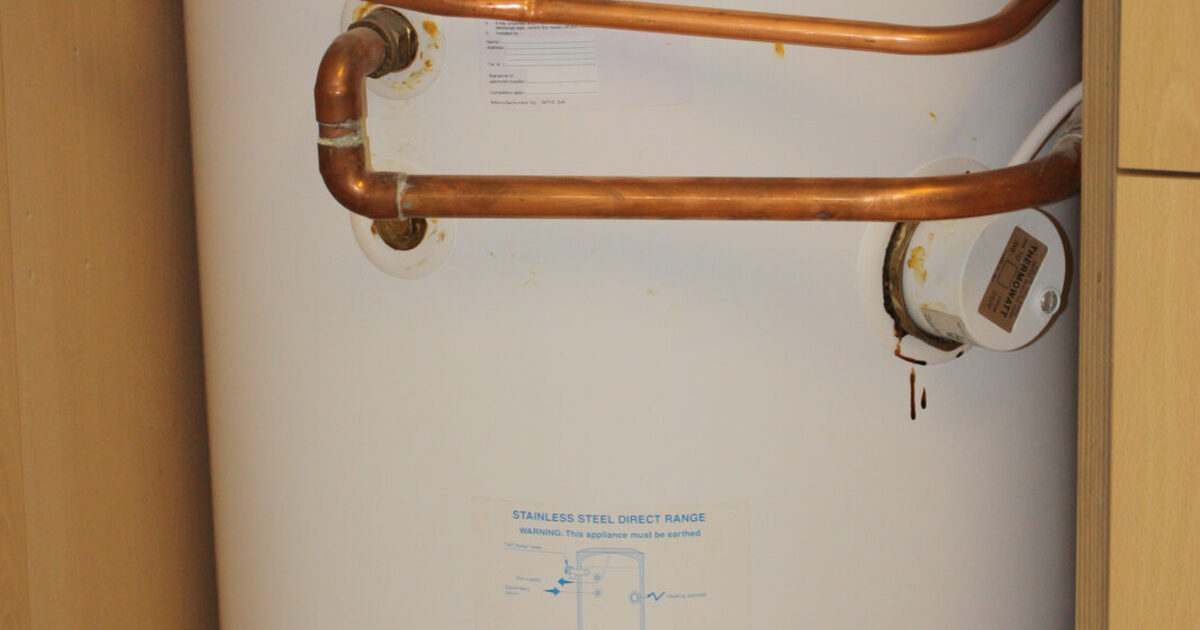

For most residential applications, 120°F is the ordinary starting point for delivered hot water.
That setting balances:
- Scald prevention
- Energy use
- Useful household hot water
- Ordinary hygiene needs
Some systems and health circumstances require a different storage temperature and a correctly installed mixing or tempering valve.
Quick answer: Start at 120°F unless the exact appliance, local code, medical situation, or qualified plumbing professional requires another setup. Measure the actual hot-water temperature at a faucet. Do not rely only on the number printed on the water-heater control.
Storage temperature and tap temperature are not always the same
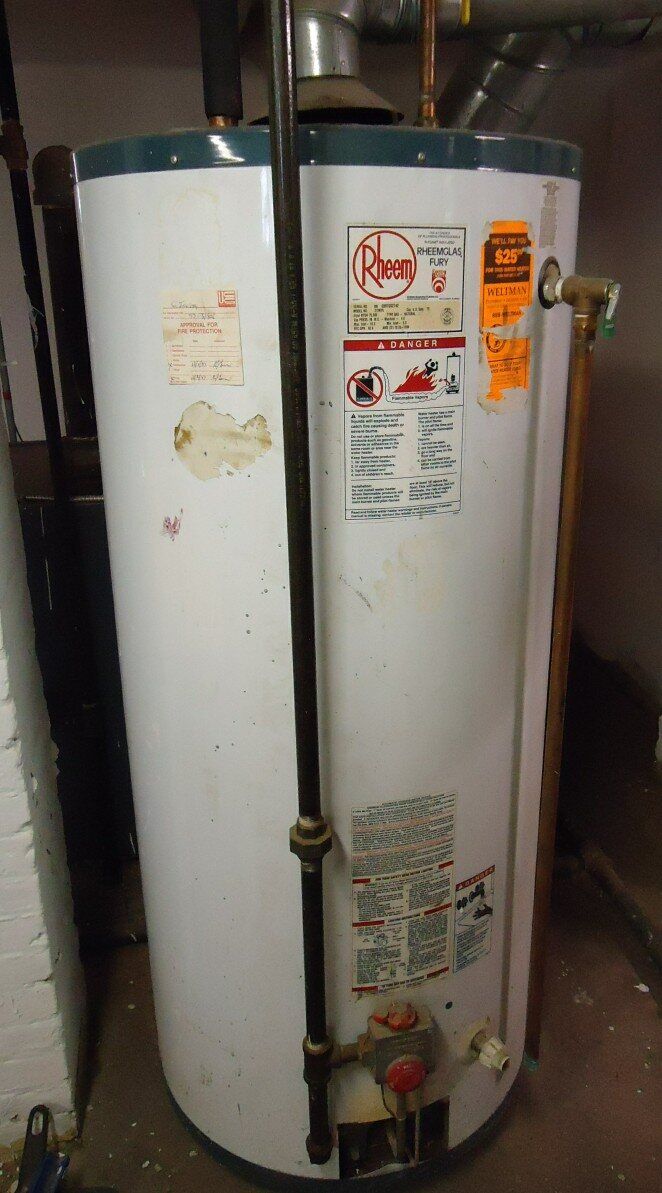

A water heater may store water at one temperature and deliver a lower temperature through:
- Mixing valve
- Tempering valve
- Thermostatic fixture
- Long pipe run
- Recirculation loop
- Fixture limit stop
- Cold-water crossover
This distinction matters when a system stores hotter water for a specific reason.
A storage temperature above 120°F increases scald risk unless the distribution system provides reliable anti-scald protection.
DOE’s residential guidance
DOE’s current federal purchasing guidance states:
- For most residential applications, set the water heater to 120°F.
- Some institutional guidance uses higher storage temperatures to limit bacterial growth.
- Higher storage temperature requires a tempering valve to deliver 120°F water and reduce scald risk.[1]
Do not copy commercial, hospital, military, or large-building settings into a normal home without professional design.
Scald risk
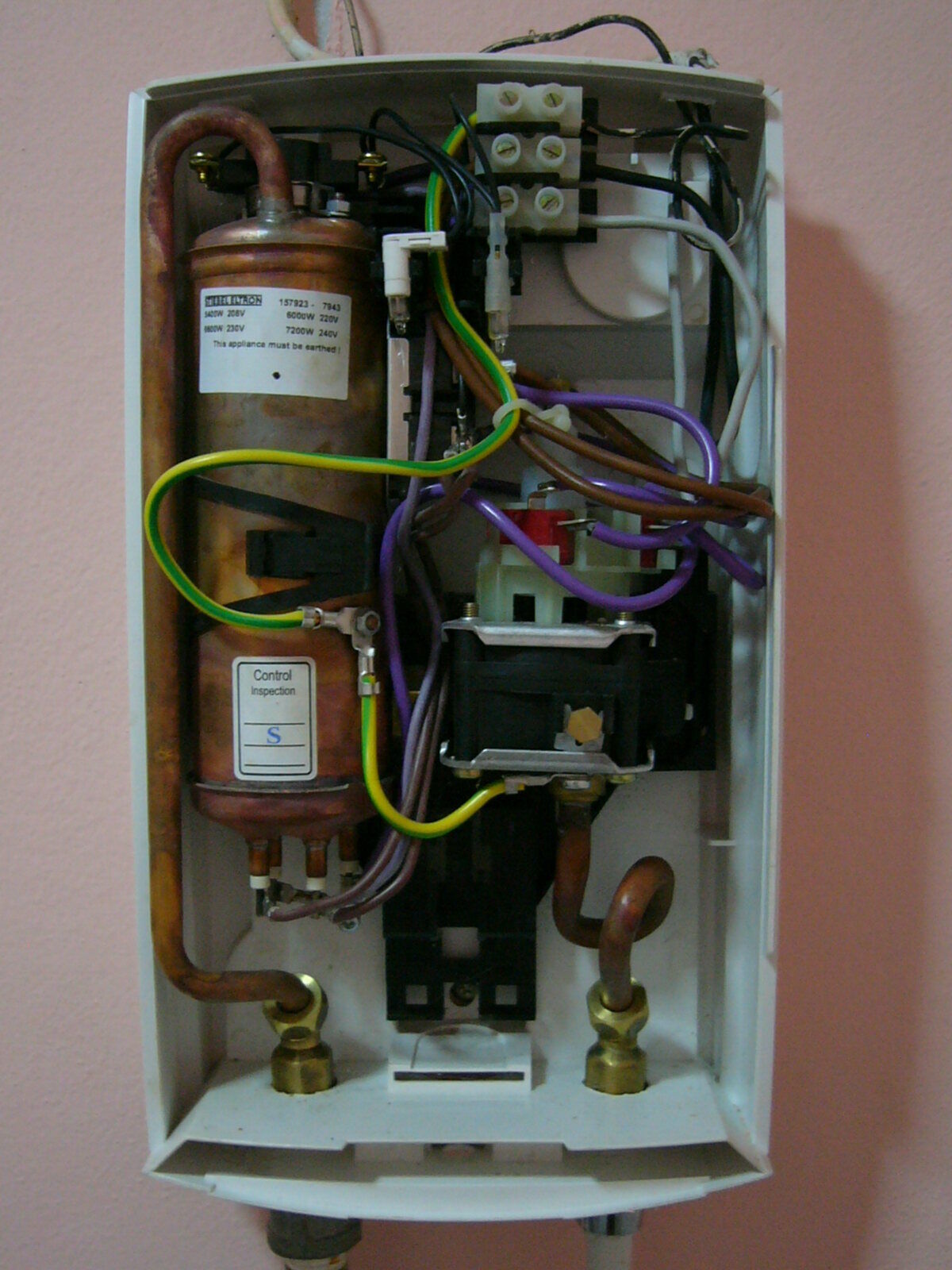

Hotter water causes burns faster.
CPSC currently advises lowering residential water-heater temperature to 120°F to reduce tap-water scalds.[2]
Risk is especially serious for:
- Young children
- Older adults
- People with reduced sensation
- People with limited mobility
- People who cannot move away quickly
Use:
- Proper temperature setting
- Anti-scald fixtures
- Mixing valves
- Supervision
- Safe bath practices
Do not test hot water by placing a vulnerable person’s hand under it.
Bacteria and Legionella
Water temperature, stagnation, plumbing layout, sediment, recirculation, and building type affect bacterial risk.
A simple household article cannot prescribe a universal Legionella-control system.
Seek professional or public-health guidance when:
- Household member is medically vulnerable
- Building has complex recirculation
- Water is stored for long periods
- System includes low-use branches
- Property is multifamily or institutional
- Local authority requires another temperature
- A healthcare provider recommends special precautions
Do not raise the thermostat casually and assume the problem is solved.
Dishwashers
Modern dishwashers may:
- Heat incoming water internally
- Require a minimum inlet temperature
- Use a sanitation option
- Depend on a household hot-water connection
Check the dishwasher manual.
Do not raise the whole-house setting merely because an old forum claims every dishwasher needs 140°F.
Laundry
Most ordinary laundry does not require maximum household water temperature.
Use:
- Fabric-care label
- Washer manual
- Detergent instructions
- Sanitation cycle only when needed
ENERGY STAR notes that water heating is the largest energy input for clothes washing.
A higher household setting can increase energy use even when the washer mixes the water.
How to measure the actual temperature
Use a food or kitchen thermometer suitable for the temperature range.
General procedure:
- Choose a frequently used hot-water fixture.
- Make sure no one else is using hot water.
- Run hot water until temperature stabilizes.
- Collect water in a heat-safe container.
- Measure without touching the water.
- Record the highest stable reading.
- Repeat at another fixture.
Follow plumbing and appliance instructions when the system uses mixing valves or recirculation.
Adjusting an electric water heater
Many electric storage heaters have:
- Upper thermostat
- Lower thermostat
- Access covers
- Insulation
- Exposed electrical components behind covers
Do not open panels or adjust thermostats unless the manufacturer’s instructions explicitly permit the owner procedure and power is safely disconnected and verified.
A mismatch between upper and lower controls can affect recovery and temperature.
Qualified service is the safer route when uncertain.
Adjusting a gas water heater
Gas controls may use labels such as:
- Low
- Hot
- A
- B
- C
- Very hot
- Vacation
Those words do not guarantee an exact delivery temperature.
Use the manual and measure the tap.
Do not:
- Adjust gas valves
- Bypass combustion safety
- Remove burner doors
- Change venting
- Relight without exact instructions
- Ignore gas odor
If gas is smelled, leave the area and contact the gas utility or emergency services from a safe location.
After a temperature change
Wait for the tank to stabilize before judging the result.
A storage heater may need several hours.
Then:
- Measure again.
- Check multiple fixtures.
- Confirm shower anti-scald behavior.
- Watch for unexpectedly hot water.
- Record the final setting.
- Tell household members about the change.
Do not make several large changes in one day.
Vacation mode
Vacation mode may reduce temperature or maintain freeze protection.
Before using it:
- Read the manual.
- Consider freezing risk.
- Consider plumbing stagnation.
- Plan safe restoration.
- Confirm whether gas pilot or controls remain active.
After a long vacancy, follow public-health and plumbing guidance for flushing and restarting the system.
Frequently asked questions
Is 120°F hot enough?
For most residential uses, DOE uses 120°F as the ordinary setting. Exact appliance and health needs can differ.
Should I set it to 140°F to kill bacteria?
Do not adopt a high-storage strategy without professional design and anti-scald protection.
Why is the water hotter than the thermostat?
Controls may be imprecise, water can stratify, and mixing valves can fail. Measure and obtain service if the difference is large.
Can I lower it below 120°F?
That can reduce available hot water and may increase microbial concerns. Seek system-specific advice.
Does 120°F save energy?
Lower storage temperature generally reduces standby heat loss compared with a hotter setting, but exact savings depend on the system and use.
Printable companion
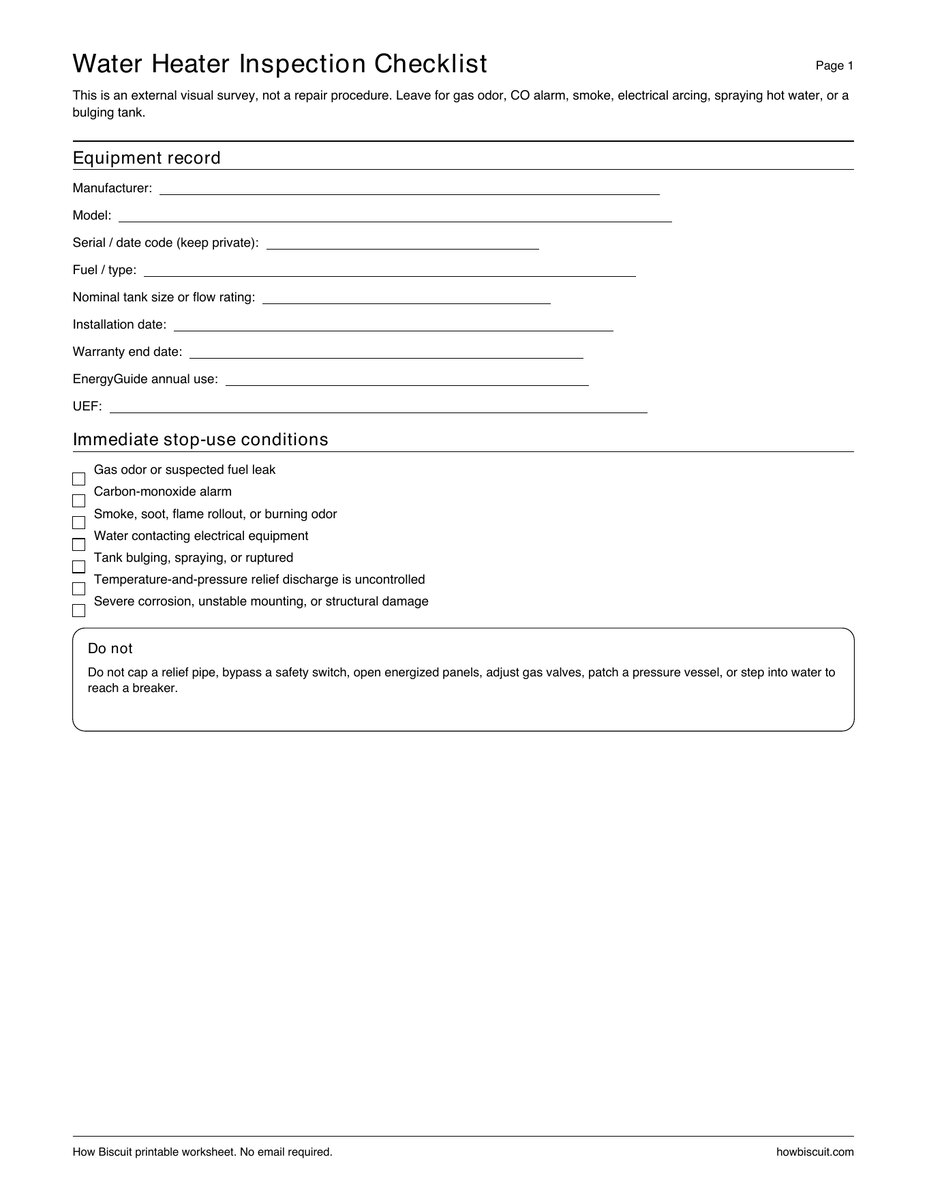
Download the ungated Water Heater Inspection and Replacement Checklist PDF. No email address is required.
Related guides
- How Much Does a Water Heater Cost to Run?
- Why Does My Hot Water Run Out So Fast?
- Tank vs. Tankless Water Heater: Which Is Better for Your Home?
- Heat Pump vs. Standard Electric Water Heater
- Is My Water Heater Leaking? What to Check and When to Shut It Down
- How to Calculate What an Appliance Costs to Run
- How to Read an EnergyGuide Label
- ENERGY STAR vs. EnergyGuide
- Repair or Replace an Appliance?
- Appliance Buying Checklist: Measurements, Hookups, Delivery, Warranty, and Recalls
Source notes
See something wrong or out of date? Report a correction.