
Why Does My Hot Water Run Out So Fast?
First record when the shortage occurs and which fixtures are running. Then compare the heater’s capacity and recovery with household demand. If performance changed suddenly, suspect a fault rather than ordinary sizing.
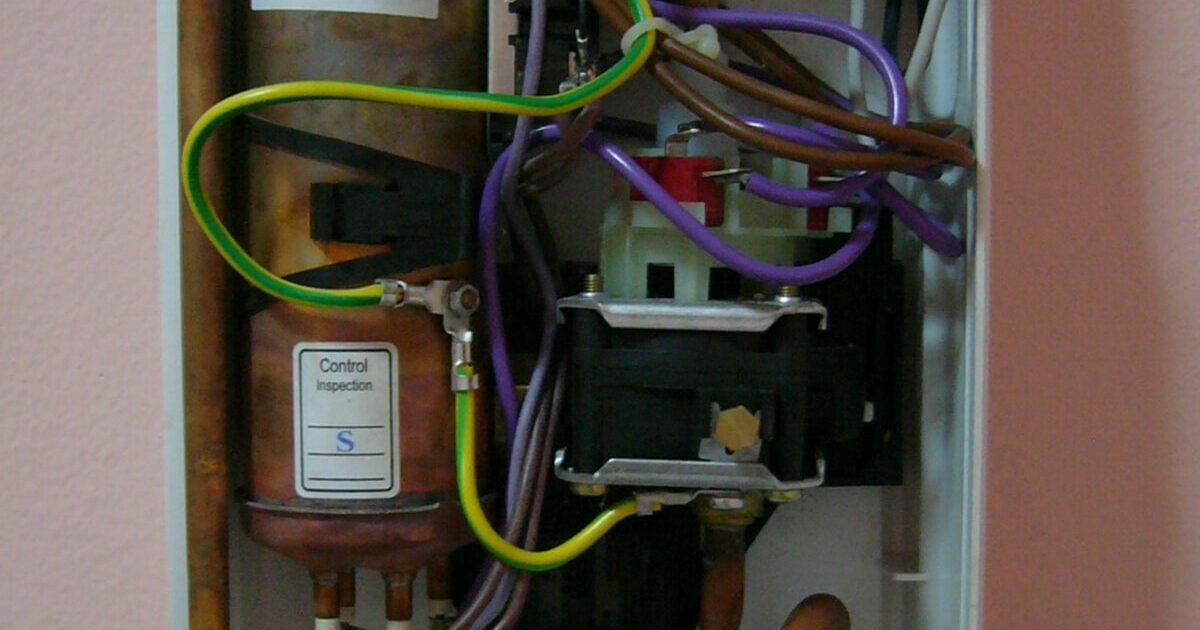

Hot water can run out because:
- The household is using more than the system can deliver
- The heater is recovering too slowly
- Only part of an electric tank is heating
- A burner or heat-pump mode is not operating correctly
- Sediment reduces useful performance
- A dip tube or mixing valve is failing
- Hot water is leaking
Quick answer: First record when the shortage occurs and which fixtures are running. Then compare the heater’s capacity and recovery with household demand. If performance changed suddenly, suspect a fault rather than ordinary sizing.
Define the symptom
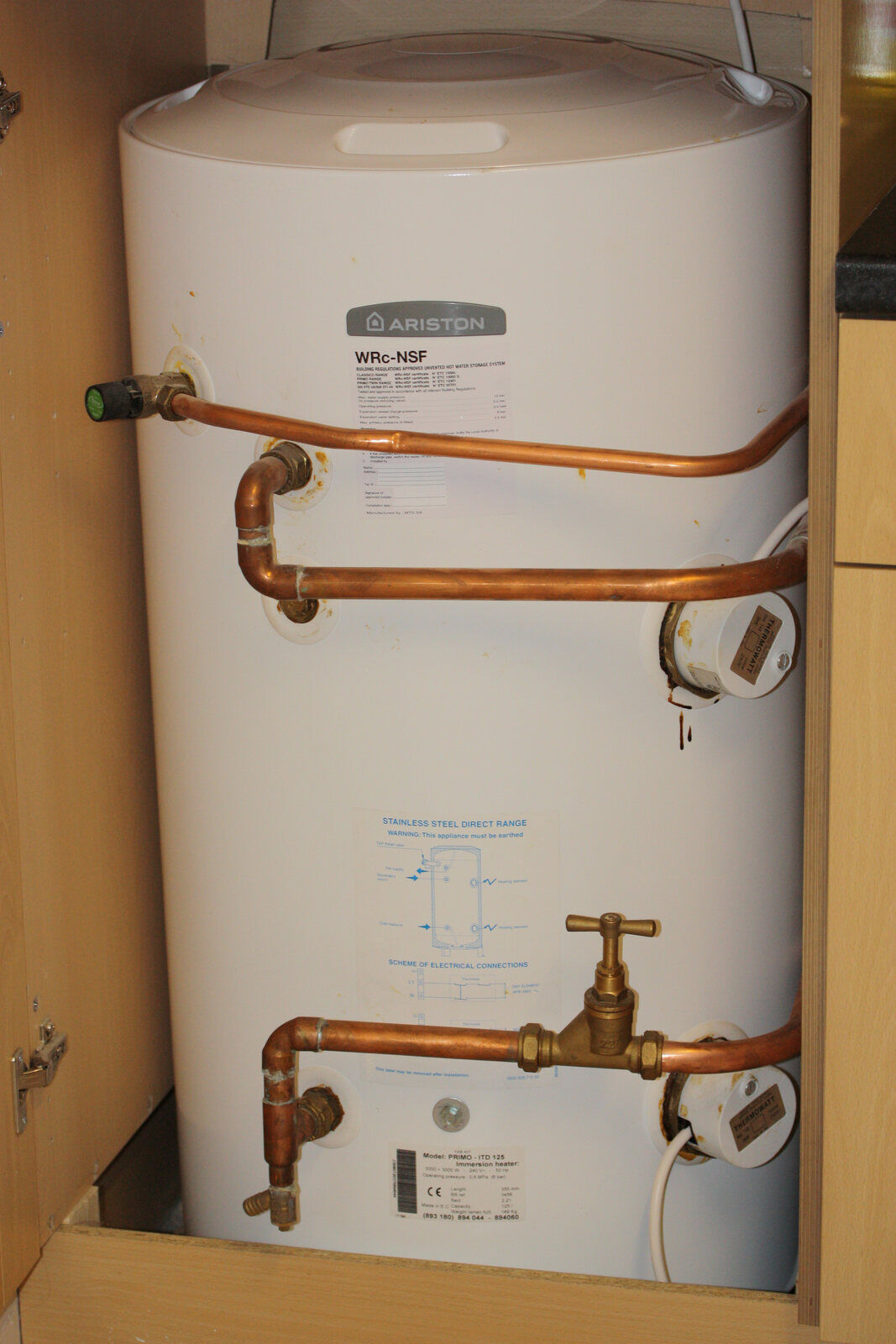

Ask:
- Does water start hot?
- How many minutes until it cools?
- Does it recover later?
- Does the problem affect every fixture?
- Did the household add occupants or fixtures?
- Did the setpoint change?
- Is there a leak?
- Is the unit showing an error?
These patterns separate demand from failure.
Simultaneous demand
A storage tank may be overwhelmed by:
- Two showers
- Bath filling
- Dishwasher
- Clothes washer
- High-flow showerhead
- Guests
- Large soaking tub
A tankless unit may be overwhelmed by total flow or temperature rise.
Do not diagnose failure until the actual simultaneous use is known.
Tank capacity
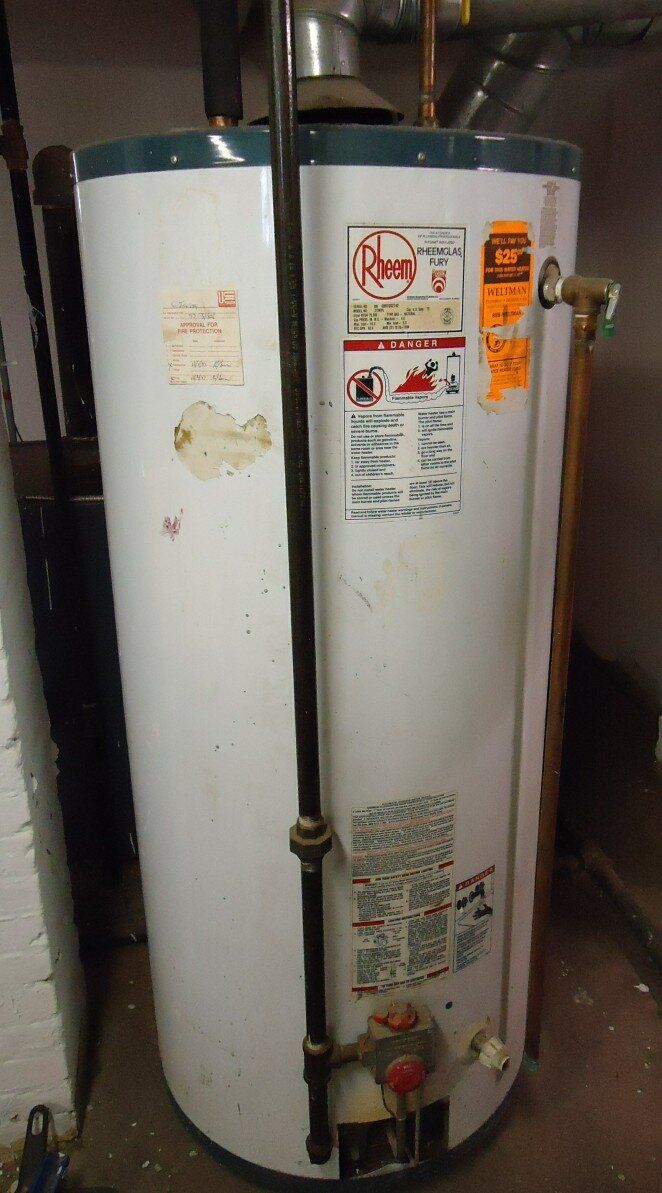

A nominal 50-gallon tank does not deliver 50 gallons at shower temperature without mixing and heat loss.
Useful delivery depends on:
- Starting temperature
- Cold-water inlet temperature
- Mixing
- Tank stratification
- Heating input
- First Hour Rating
- Flow
Use the EnergyGuide label or model specification.
Recovery rate
Recovery is how quickly the heater replaces used heat.
It depends on:
- Electric element power
- Gas burner input
- Heat-pump mode
- Tank size
- Inlet temperature
- Setpoint
- Equipment condition
Cold winter inlet water requires more energy to reach the same hot-water temperature.
A system may feel adequate in summer and limited in winter.
Electric dual-element failure
Many electric storage heaters use:
- Upper element
- Lower element
- Upper thermostat
- Lower thermostat
If one element fails, the tank may produce:
- A small amount of hot water
- Slow recovery
- Warm rather than hot water
- Inconsistent performance
Do not remove access panels or test energized elements without qualified service.
Electric water heaters contain line voltage.
Gas burner or ignition
A gas heater may have:
- Pilot
- Electronic ignition
- Power vent
- Combustion sensor
- Gas valve
- Flue
- Air-intake requirement
Signs of a fault may include:
- Error code
- No burner operation
- Repeated ignition attempt
- Unusual soot
- Gas odor
- Exhaust problem
- Very slow recovery
Gas odor, soot, flame rollout, or CO alarm requires immediate safety action.
Do not attempt burner or vent repair from a generic article.
Heat-pump operating mode
A heat-pump water heater may use:
- Efficiency mode
- Hybrid mode
- Electric mode
- Vacation mode
Efficiency-only mode may recover more slowly.
A household with high demand may need:
- Hybrid mode
- Larger tank
- Demand management
- Correct installation
- Service
ENERGY STAR notes that these heaters can switch to resistance heat during high demand.[1]
Do not change modes without reading the manual.
Sediment
Mineral sediment can collect in storage tanks.
Possible effects:
- Reduced efficiency
- Noise
- Reduced useful volume
- Localized overheating
- Drain blockage
- Shortened life
Maintenance requirements vary by model, fuel, water chemistry, and anode design.
Flushing a neglected old tank can create leaks or reveal existing damage.
Use manufacturer instructions or professional service.
Dip tube
A storage tank usually directs incoming cold water toward the bottom.
A damaged dip tube can allow cold water to mix near the outlet, shortening the hot-water period.
This is a professional diagnosis.
Do not open plumbing connections without shutting down water, energy, and pressure safely.
Mixing valve or crossover
A thermostatic mixing valve can fail or become misadjusted.
A failed fixture, recirculation system, or single-handle valve can allow cold water to cross into the hot line.
Possible clue:
- Every fixture is lukewarm
- Water-heater outlet is hot
- Problem began after plumbing work
- One fixture behaves oddly
A plumber can isolate the crossover.
Hot-water leak
A leak may occur:
- Under slab
- In wall
- At fixture
- In recirculation
- At heater
- At relief discharge
- In crawlspace
Clues include:
- Water meter moves with fixtures off
- Heater runs unexpectedly
- Floor or wall is warm
- Utility use rises
- Pressure falls
- Moisture appears
Treat hidden hot-water leaks as building and energy problems.
Diagnostic timeline
| Symptom | Stronger direction |
|---|---|
| Always inadequate since installation | Sizing or setting |
| Suddenly half the previous duration | Element, burner, dip tube, mixing |
| Adequate except simultaneous showers | Peak demand |
| Slow recovery only in efficiency mode | Heat-pump mode |
| Water heater runs when no one uses water | Leak or recirculation |
| Only one fixture affected | Fixture or local mixing issue |
| Gas odor or CO alarm | Leave and call emergency/utility |
Frequently asked questions
Can a higher temperature make hot water last longer?
Hotter stored water can create more mixed-use volume, but increases scald and standby-loss concerns. Do not raise it without proper controls.
Does sediment reduce hot-water capacity?
It can affect performance, but diagnosis and maintenance are model-specific.
Why do I get one short hot shower?
A failed lower electric element is one possibility among several.
Will a tankless heater solve it?
Only if properly sized for total flow and temperature rise and supported by the building infrastructure.
Should I replace the heater?
Get a diagnosis and compare repair, support, age, safety, and replacement cost.
Printable companion
Download the ungated Water Heater Inspection and Replacement Checklist PDF. No email address is required.
Related guides
- What Temperature Should a Water Heater Be Set To?
- How Much Does a Water Heater Cost to Run?
- Tank vs. Tankless Water Heater: Which Is Better for Your Home?
- Heat Pump vs. Standard Electric Water Heater
- Is My Water Heater Leaking? What to Check and When to Shut It Down
- How to Calculate What an Appliance Costs to Run
- How to Read an EnergyGuide Label
- ENERGY STAR vs. EnergyGuide
- Repair or Replace an Appliance?
- Appliance Buying Checklist: Measurements, Hookups, Delivery, Warranty, and Recalls
Source notes
- How Heat Pump Water Heaters WorkENERGY STAR
- Residential Water Heater Key Product CriteriaENERGY STAR
See something wrong or out of date? Report a correction.